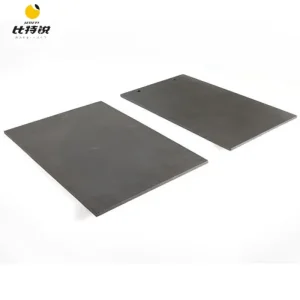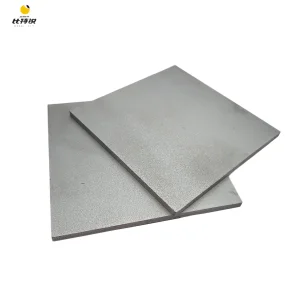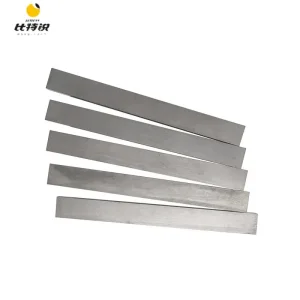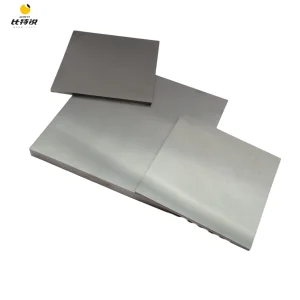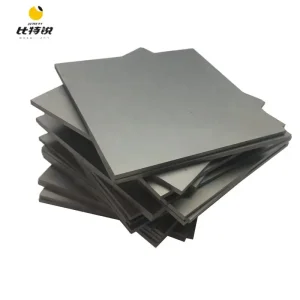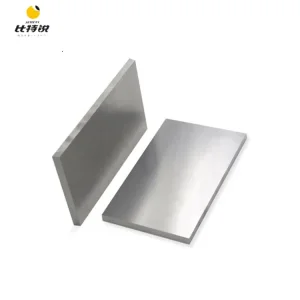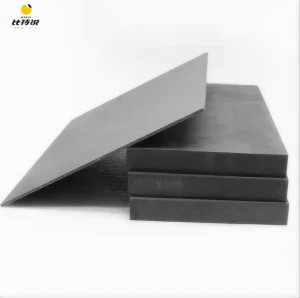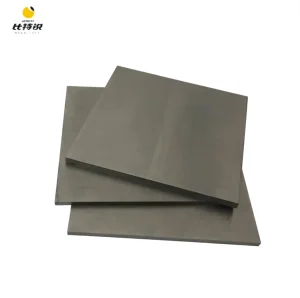
Wholesale Premium Tungsten Carbide Sheet for Stamping Dies Durable P30 Alloy Model 200x200x10mm Manufacturers, Suppliers
Product Description

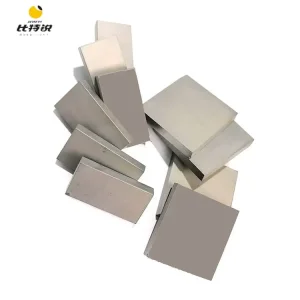
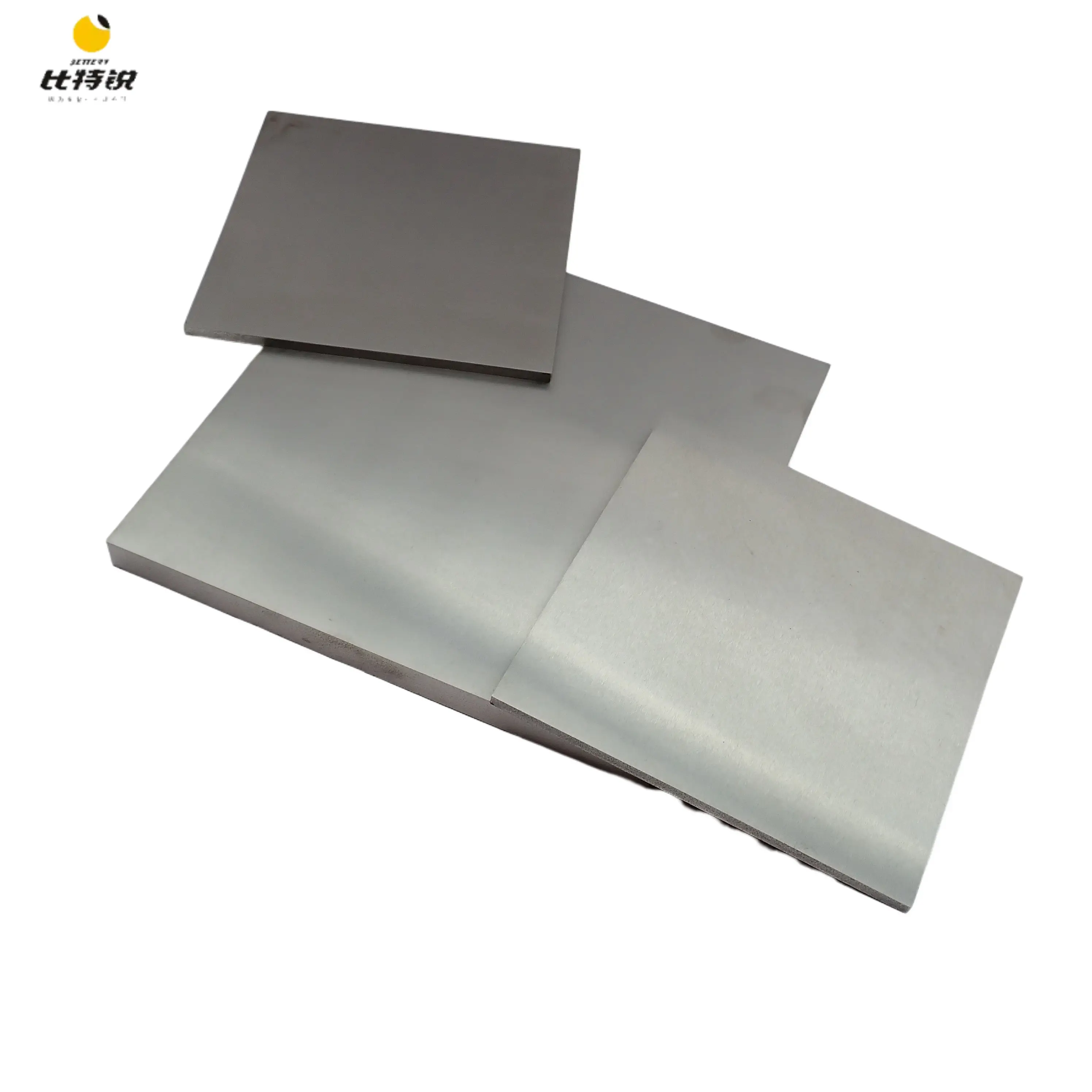
Tungsten carbide sheet is a high-performance material with tungsten carbide as its main component, widely used in various fields due to its excellent physical and chemical properties. Its main characteristics include high hardness, high wear resistance, and good compressive strength, enabling it to maintain stable performance even under extreme conditions. The hardness of cemented carbide is typically above HRA 80, effectively resisting wear and impact, and extending the service life of tools and molds.
Carbide sheets have a wide range of applications. In manufacturing, they are commonly used to produce various cutting tools, molds, and stampings, especially in industries such as metalworking, plastic molding, and woodworking, where they can significantly improve production efficiency and product quality. Furthermore, carbide is widely used in mining and oil extraction to manufacture drill bits and other wear-resistant parts to withstand high-intensity working environments.
In the electronics and aerospace industries, cemented carbide sheets also play a crucial role. They are used to manufacture high-precision components and tools, ensuring stability and reliability under high temperature and pressure conditions. With continuous technological advancements, the application scope of cemented carbide materials continues to expand, and they are expected to play a key role in more high-end manufacturing fields in the future. In short, cemented carbide sheets, with their superior performance and broad application prospects, have become an indispensable material in modern industry.
Tungsten carbide sheets offer superior hardness (typically exceeding HRA 80), exceptional wear resistance, and high compressive strength, maintaining operational durability even in extreme high-stress environments.
They are heavily utilized across metalworking, plastic molding, woodworking, mining, oil drilling, as well as high-precision sectors including electronics and aerospace manufacturing.
Material thickness ranges from 0.01 mm to 1 mm, with custom thicknesses available. Tailored specifications also include powder, ultrafine, and customized dimensions to meet exact requirements.
Due to their robust chemical and physical properties, they retain stability, resisting severe impact and thermal fatigue, which makes them ideal for precision aerospace and electronic components.
High-purity nickel provides superior corrosion resistance, long-term durability, and outstanding electrical conductivity, making it suitable for high-grade electrical components and contact parts.