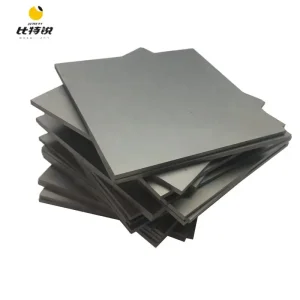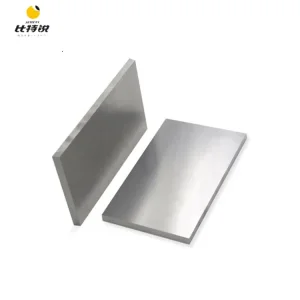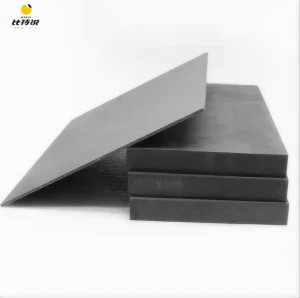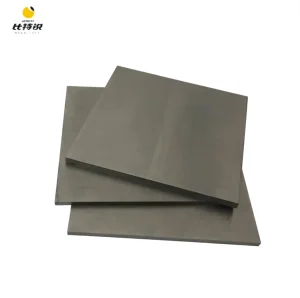
China High-Quality Tungsten Carbide Strips - Durable Cemented Wolfram Bars Supplier, Suppliers
Product Description
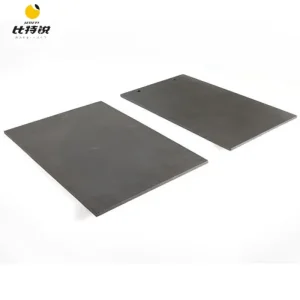
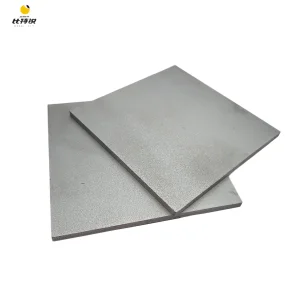
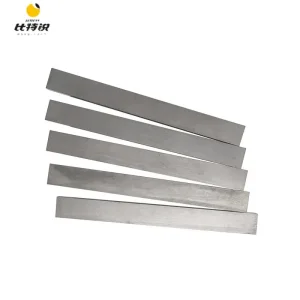
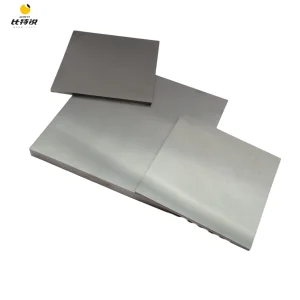
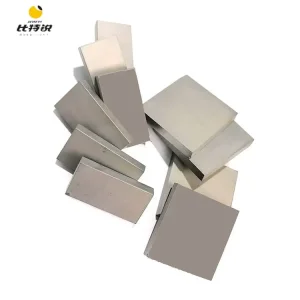
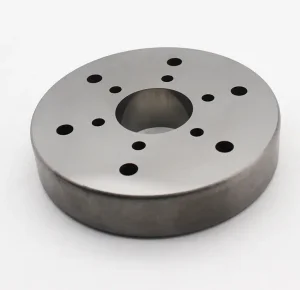
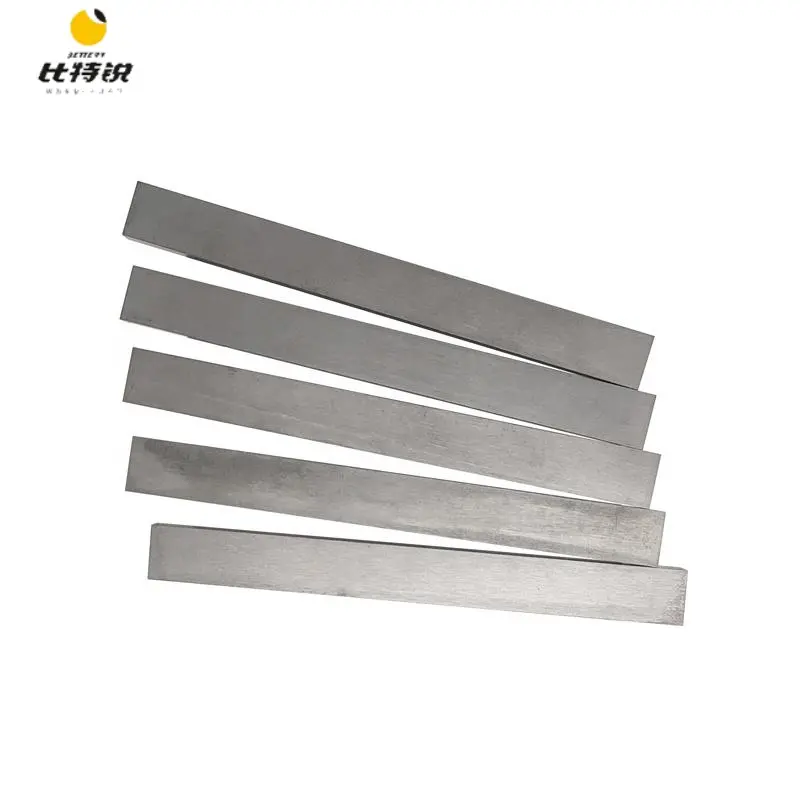
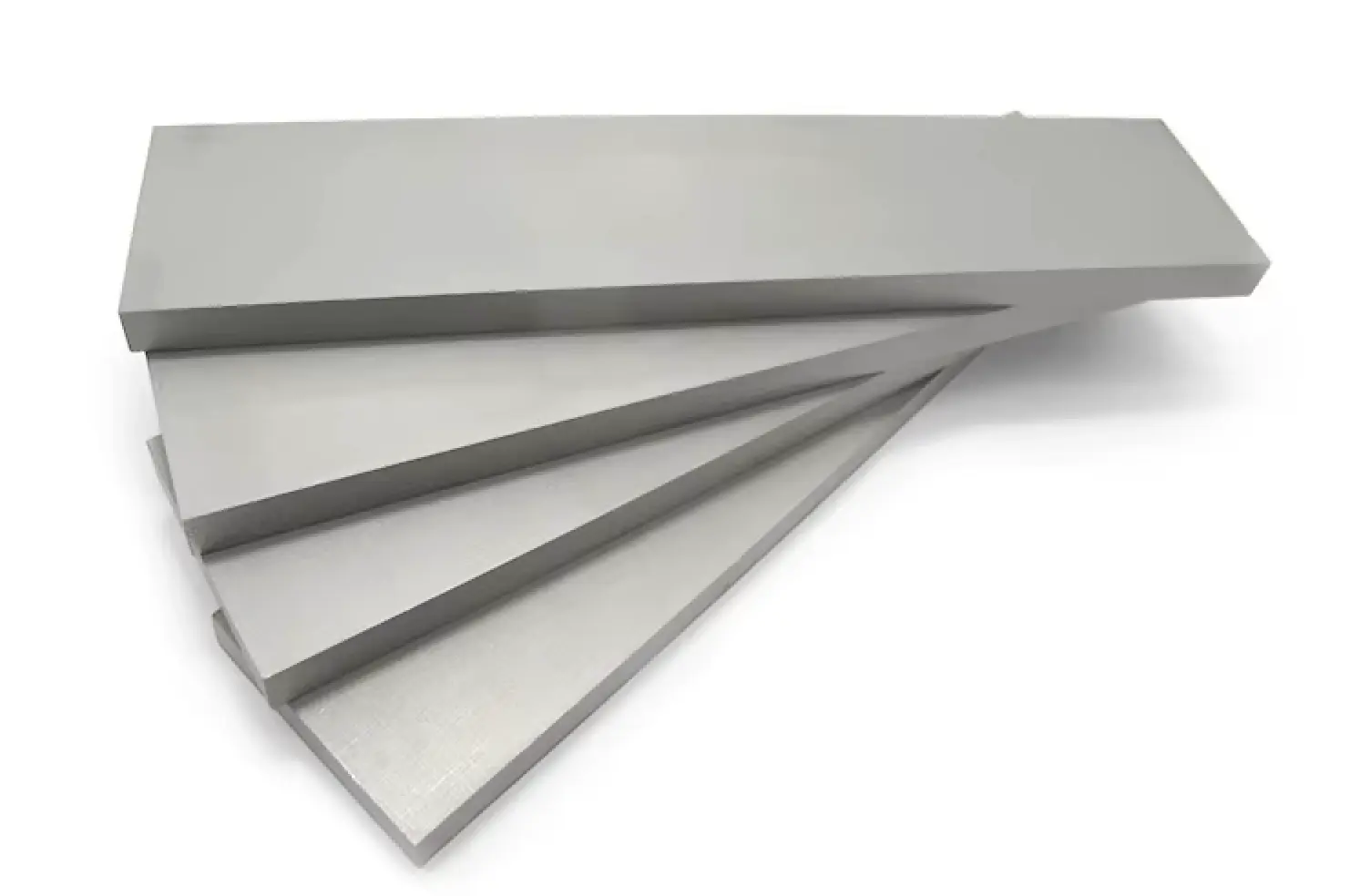
Let's talk about our top-notch carbide strips—specifically, the tungsten cemented ones. These things are made using some pretty advanced metallurgy techniques, mainly combining tungsten and carbon, then sintered at really high temperatures. That process gives them fantastic hardness and wear resistance, so they work really well across a bunch of industrial uses. Every single strip is carefully checked to make sure it meets strict size and performance standards, so you can count on their quality.
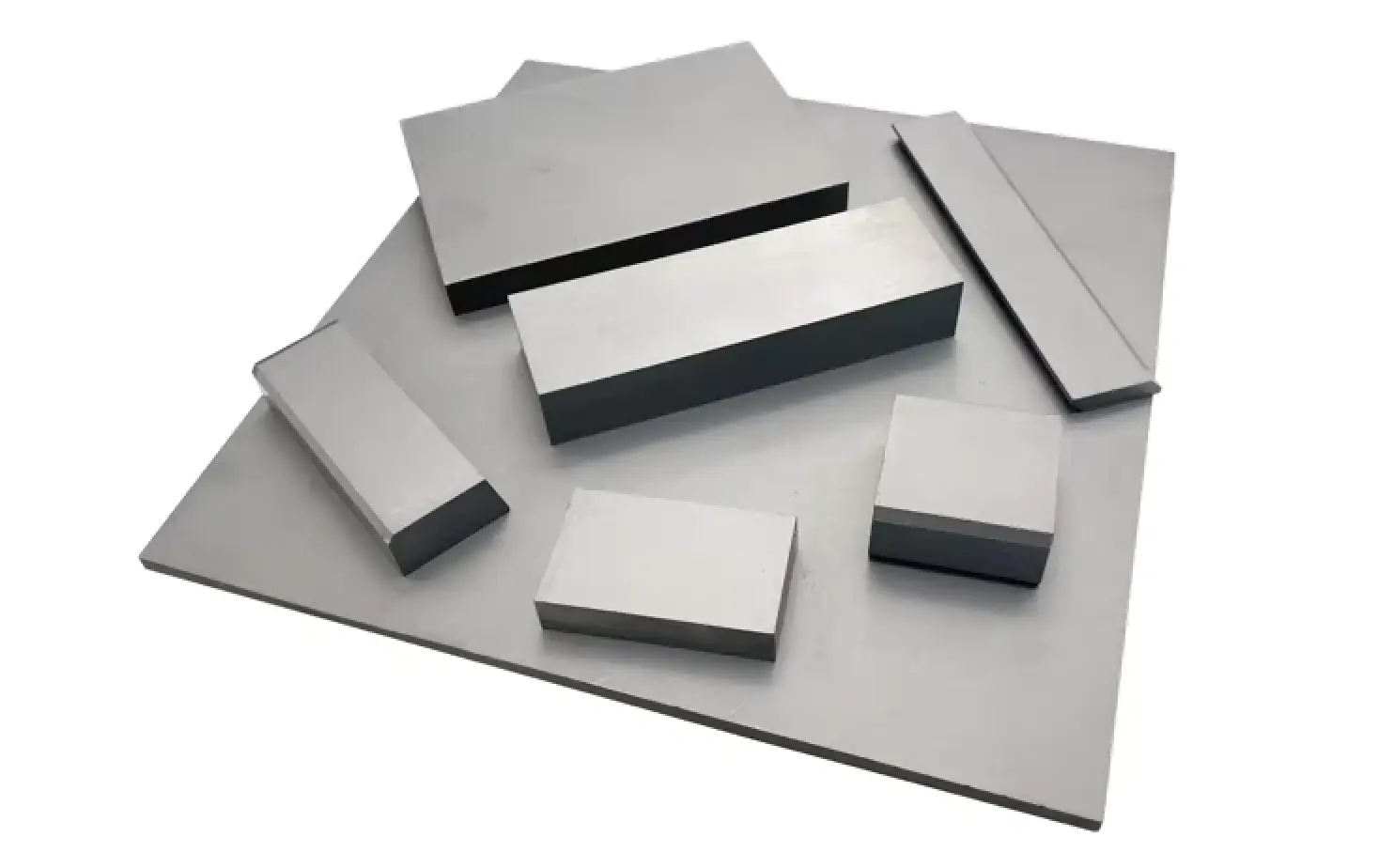
So, where do these carbide strips come in handy? Well, they’re quite versatile:
-
Metalworking: They're used a lot in turning, milling, drilling—you name it. Perfect for tackling metals of different hardness levels.
-
Mining: Handy in mining for making drill bits and cutting tools, which helps boost efficiency when you're digging or processing ores.
-
Woodworking: They also excel in cutting and shaping wood, making your job easier and faster.
-
Molds: In the mold industry, they’re great for building durable, wear-resistant molds that last longer.
But a quick heads-up—here are some tips to keep them in top shape:
- Don’t overload the tools. Pushing too hard can damage them and cut their lifespan short.
- Make sure to check for wear regularly. Replacing them when needed keeps your work accurate and safe.
- When doing heavy-duty work, use cooling liquids to keep things from overheating.
- And of course, safety first! Always wear safety glasses and gloves to protect yourself.
What makes tungsten cemented carbide strips highly wear-resistant?
They are produced using high-temperature sintering that bonds tungsten and carbon particles with a binder metal, creating an extremely dense, hard metallurgical structure capable of withstanding heavy friction and abrasion.
Can these carbide strips be customized to specific dimensions?
Yes, precision ground and standard dimensions can be tailored according to specific industrial machinery, cutting tool slots, or wear-part requirements.
Why is coolant recommended during high-speed machining?
While cemented carbide withstands high temperatures, applying proper coolant minimizes thermal shock, extends edge retention, and prevents micro-cracking during heavy-duty cutting operations.
How do I determine when a carbide strip needs replacement?
Inspect the edge for micro-chipping, rounding, or loss of dimensional accuracy. Timely replacement prevents tool chatter, poor surface finishes, and excessive machine spindle load.
Are these strips suitable for both natural wood and composite materials?
Yes, their dense composition excels in both solid hardwoods and abrasive composite materials such as MDF, particleboard, and plywood without premature dulling.
What is the best way to braze or attach these strips to steel bodies?
Silver-based or copper-based brazing alloys along with appropriate flux are commonly used to achieve a strong, resilient bond between the carbide strip and steel tool holders.