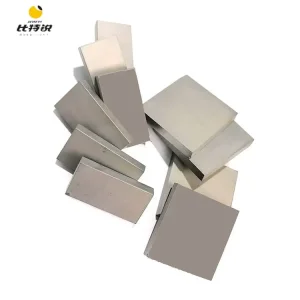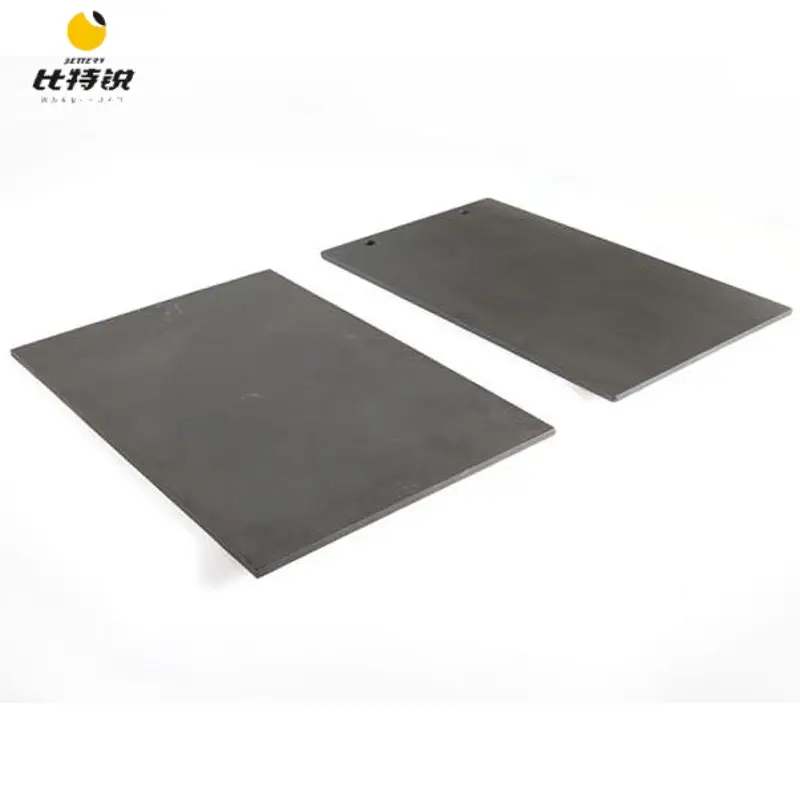
Buy High Hardness High Density Pressureless Sintered Silicon Carbide Plate Polished SiC Ceramic Plate Factory, Factories
Product Description
Key Features and Benefits
Exceptional Hardness
When it comes to hardness, carbide plates really stand out—they're known for being super tough, often even tougher than steel and other alloys. That means they can handle really high-pressure and abrasive environments without breaking a sweat, which helps them last longer and keeps maintenance costs down.
Wear Resistance
Thanks to tungsten carbide, these plates are also incredibly resistant to wear. They can take a lot of impacts, friction, and rough wear and tear—making them perfect for heavy-duty jobs where things get pretty intense.
Corrosion Resistance
Oh, and in some grades, carbide plates do a great job resisting corrosion and chemicals. That’s a big plus if you’re working in industries where exposure to corrosive stuff is just part of the job.
Versatility
One of the best things about carbide plates is how versatile they are. You can custom-make them into all sorts of shapes and sizes to fit your specific needs. Whether you're upgrading existing equipment or designing something new, they can be easily integrated, making them a flexible choice across a bunch of different industries.
Process of Carbide Plates
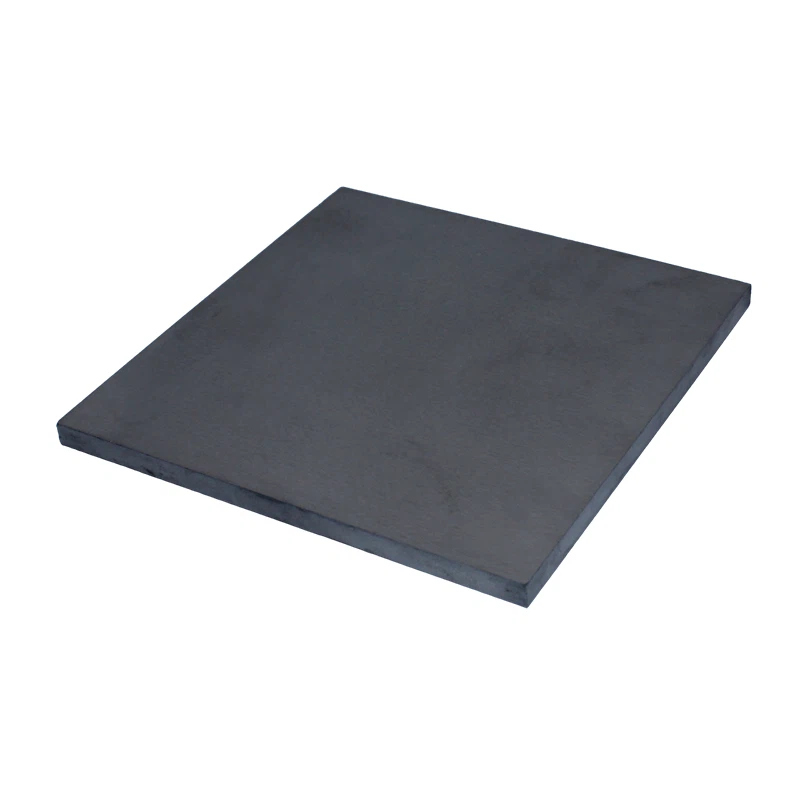
Powder Preparation
So, when making tungsten carbide, you start by mixing it with a binder metal—like cobalt, nickel, or iron—and add in some grain growth inhibitors, special alloys, and materials that help with compaction. These ingredients are ground together with wet grinding techniques to form a smooth, uniform suspension. After that, the suspension is dried out, turning into a granulate that flows nicely—this becomes the base for all the shaping processes.
Forming / Pressing
The main goal here is to get a solid, compacted piece. There are a few different ways to press carbide blanks:
Basically, you put the powder inside a shaped bag and then squeeze it from all sides using a liquid medium. This way, you get an evenly compacted shape. Just a heads-up—even though CIP is pretty good, the parts tend to have slightly looser dimensional tolerances compared to some other methods.
Here, the powder is poured into a die, then pressed with upper and lower punches to form a near-shape part (sometimes called green compact). After pressing, it’s ejected from the die, ready for the next steps.
Mainly is used to produce rectangular bars or cylindrical rods with or without axial holes. A plastifier is added to the powder. The resulting paste is pressed through an extrusion nozzle. Before sintering, the plastifier must be evaporated in special drying furnaces.
Think of this as mixing metal powder with a binder to create a sort of thick paste.
Sintering
The sintering is the process which converts the blank after pressing into a homogeneous and dense cemented carbide with a high level of hardness by heat. The material is sintered at temperatures between 1300 and 1500°C (liquid phase sintering for tungsten carbide) and sometimes also at high pressure.
Finishing-Grinding
In order to achieve the final requirements of surface finish and dimension tolerances, Carbide Plates can undergo a series of finishing processes such as grinding, polishing, spark erosion and coating.
Frequently Asked Questions
What gives carbide plates their exceptional hardness?
Carbide plates are composed of tungsten carbide mixed with metallic binders such as cobalt, nickel, or iron. Through advanced liquid phase sintering, the composite forms an intensely dense and bonded microstructure that provides superior hardness exceeding standard steels and industrial alloys.
What are the primary forming techniques used for carbide plates?
Depending on the geometry and tolerance needs, carbide blanks are formed using Cold Isostatic Pressing (CIP), Uniaxial Pressing (die compaction), Extrusion Pressing (for bars and rods), or Metal Injection Molding (MIM) for complex shapes.
At what temperatures are carbide plates sintered?
Sintering typically occurs at high temperatures ranging from 1300°C to 1500°C. This liquid phase sintering process eliminates voids, solidifies the binder metal, and creates a dense, non-porous structure.
Can carbide plates be customized to fit specific machinery?
Yes, carbide plates offer high versatility and can be custom-manufactured into various shapes, thicknesses, and dimensions. They can be seamlessly integrated into existing setups or tailored for new equipment designs.
What post-sintering finishing procedures can be applied?
To meet precise dimensional tolerances and specialized surface finishes, sintered carbide plates can undergo grinding, precision polishing, spark erosion (EDM), and surface coatings.