Wholesale Customized Cemented Carbide Plate — Factory-Direct Tungsten Carbide Blanks in Any Size, Shape & Grade Factory, Factories
Product Description
Product Description
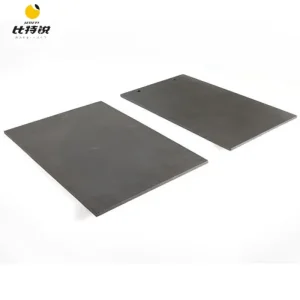
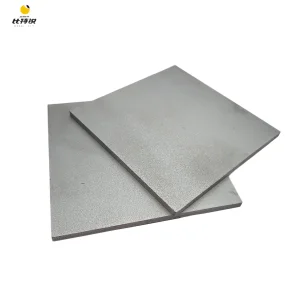
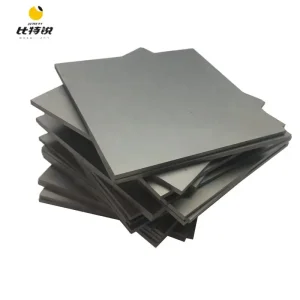
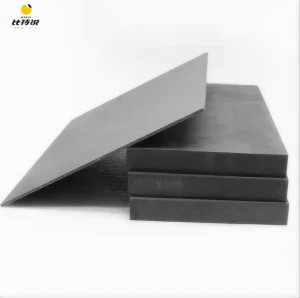
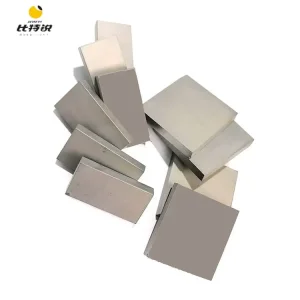
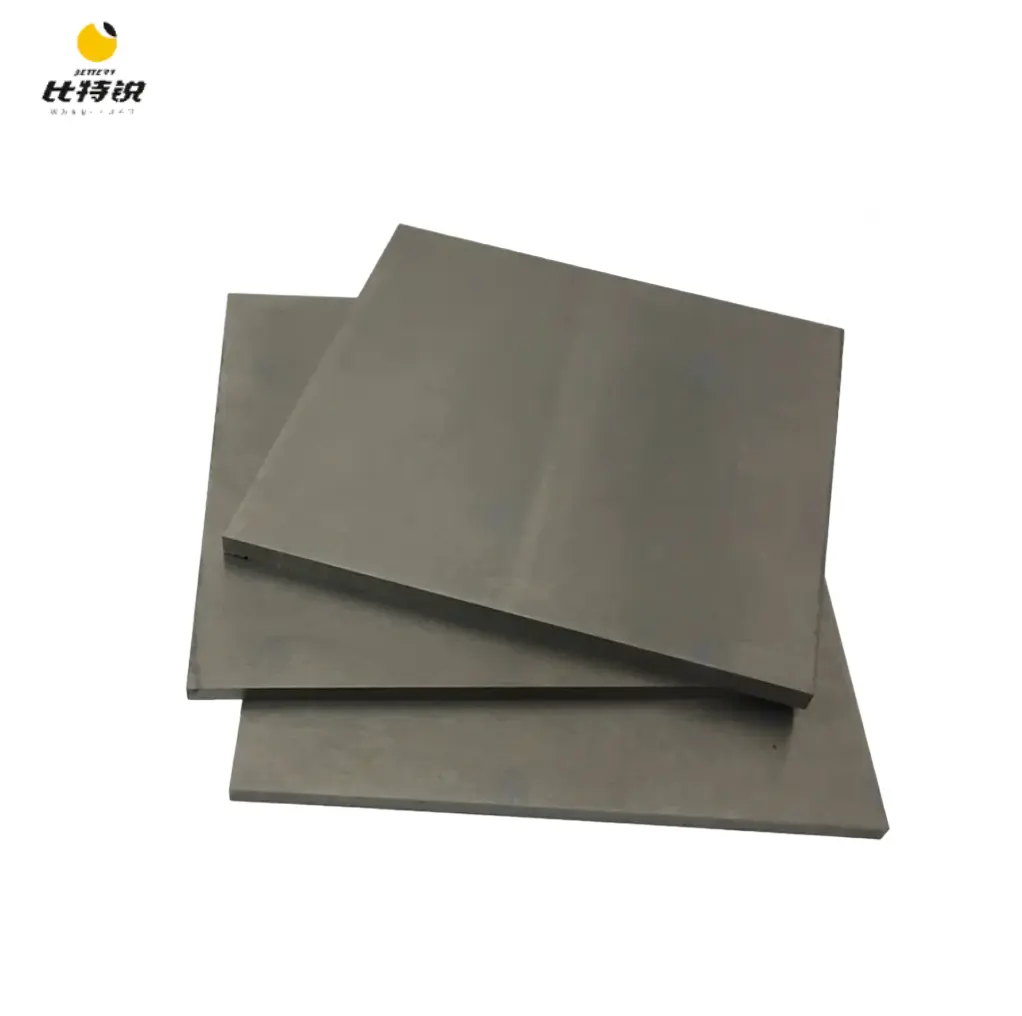
This is not a fixed catalogue item. It is a made-to-order cemented tungsten carbide plate built to your drawing — your dimensions, your shape, your grade, your finish. We press, sinter and grind each blank in our own factory and ship it ready for your next machining step, whether that is wire-cut sectioning, diamond grinding or direct assembly into a die set.
Every blank starts from 100% virgin tungsten carbide powder and is densified in a HIP sintering furnace, giving a pore-free structure, high hardness, high wear resistance and strong resistance to bending. Because we control pressing and sintering in-house, non-standard sizes are a normal production run rather than a special favour.
What You Can Specify
Size and Thickness
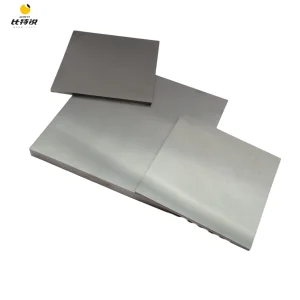
Standard reference blanks run from 25×25 mm through 50×50, 100×100, 105×105, 150×150, 200×200 up to 300×300 mm, with thickness from 2 mm to 50 mm. Anything outside that range — larger, smaller, thicker — is quoted as a custom item.
Shape
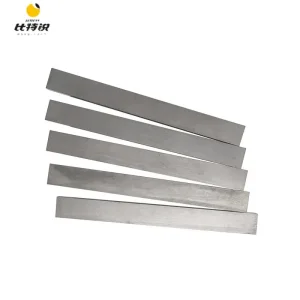
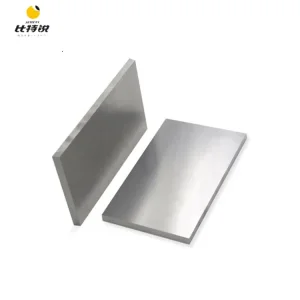
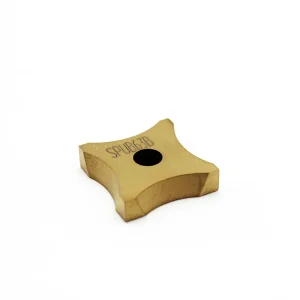
Square, round, rectangular and irregular (lump) forms are all produced, plus fully bespoke profiles supplied on drawing. Discs for sealing components, rectangular strips for wear plates and profiled blocks for die inserts all come off the same production line.
Grade
YG6, YG6A, YG8, YG8C, YG11, YG11C, YG13, YG15, YG15C and YG20 — covering hardness from HRA 85.5 to 92 and transverse rupture strength up to 2,850 N/mm². Grades can also be tuned to your application where standard grades are close but not exact.
Tolerance Class
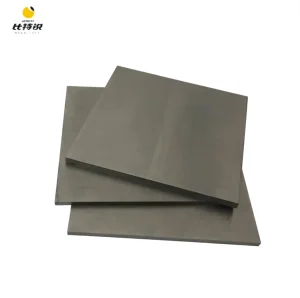
You choose how much work to take on yourself. Sintered blanks are supplied at the standard as-pressed tolerance — approximately 0 to +0.8 mm on 25 mm-class blanks, widening to 0 to +4.0 mm on the 300 mm class. Polished plates are held to ±0.01 mm. For most buyers the practical choice is between a low-cost blank you finish in-house and a polished plate that goes straight into production.
Purity and Standard
Material composition is quoted to your requirement and produced to GB standard, with other national standards available on request.
Where These Plates Go
Custom carbide plate is a cross-industry material, and our production records show it clearly.
What these applications share is the same requirement: a blank whose material properties are identical from the first piece to the thousandth, because it is produced from one controlled powder lot and one sintering profile.
Factory-Direct Pricing and Supply
Frequently Asked Questions
What standard sizes and custom thicknesses are offered?
Reference sizes range from 25×25 mm up to 300×300 mm (including 50×50, 100×100, 105×105, 150×150, 200×200 mm), with thickness from 2 mm to 50 mm. Any dimensions outside these ranges are fully custom-made.
Which tungsten carbide grades can be selected?
Available grades include YG6, YG6A, YG8, YG8C, YG11, YG11C, YG13, YG15, YG15C, and YG20. These support hardness ratings from HRA 85.5 to 92 and transverse rupture strength up to 2,850 N/mm², with custom grade tuning available.
What are the tolerance differences between sintered blanks and polished plates?
As-sintered blanks feature standard as-pressed tolerances (approximately 0 to +0.8 mm for 25 mm sizes up to 0 to +4.0 mm for 300 mm sizes). Polished plates provide high-precision tolerances maintained to ±0.01 mm.
Can custom shapes and bespoke profiles be manufactured?
Yes. In addition to standard square and rectangular plates, round discs, irregular lump forms, and custom-profiled shapes can be manufactured straight from your technical drawings.
What are the production lead times and monthly supply capacities?
We maintain a monthly capacity of 20 tonnes. Lead times are approximately 7 to 15 days for standard sizes using existing moulds, and 15 to 35 days for bespoke items requiring new tooling.
Are trial orders supported before committing to bulk purchases?
Yes, trial order quantities are welcomed to help you evaluate and validate material performance in-house before scaling up to production volumes.