
02Carbide Plate 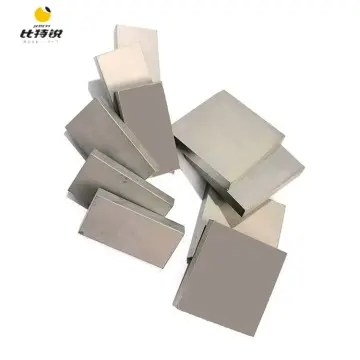 HIP Sintered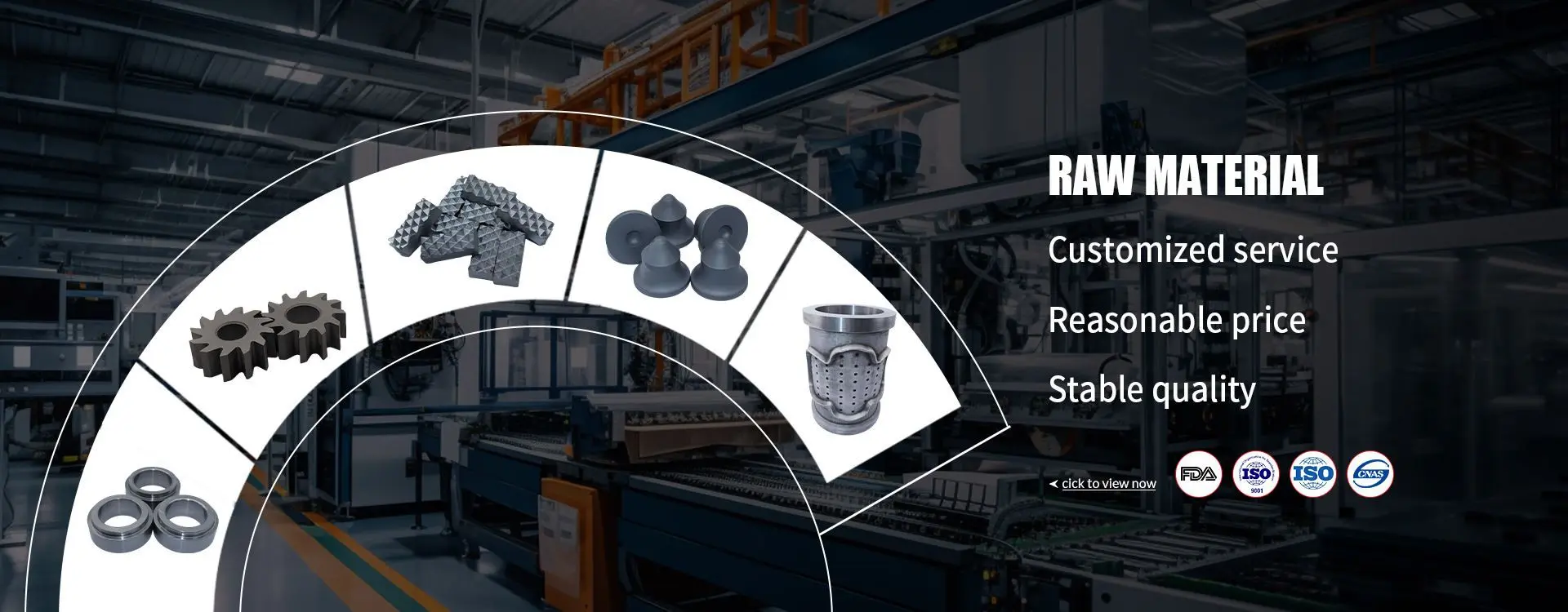
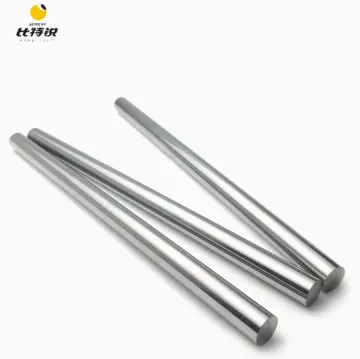
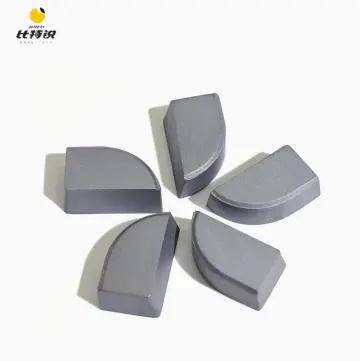
For 24 years our engineers have pressed, sintered and ground cemented carbide for OEM tool makers, mold shops, steel mills and drilling contractors. We supply HIP-sintered carbide plates, h6 ground carbide rods, brazed tips, scarfing inserts, carbide molds and nickel-bonded non-magnetic parts — made to your drawing, with grade formulations tuned to your real working conditions.
HIP Sintered 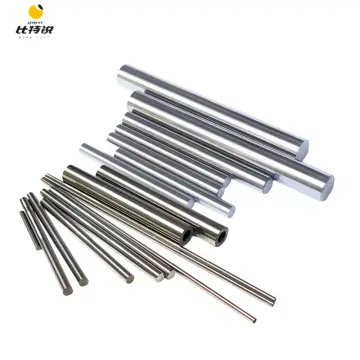
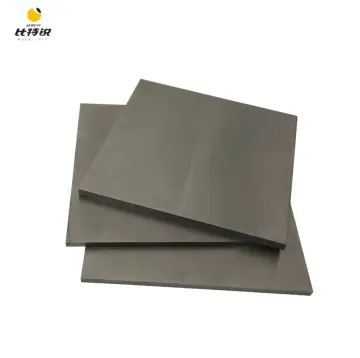
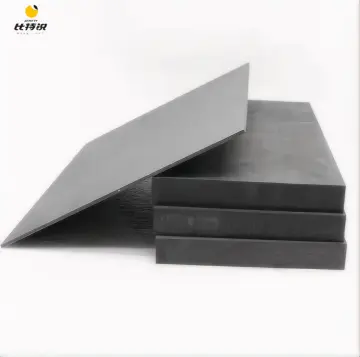
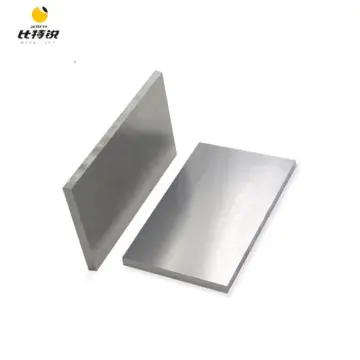
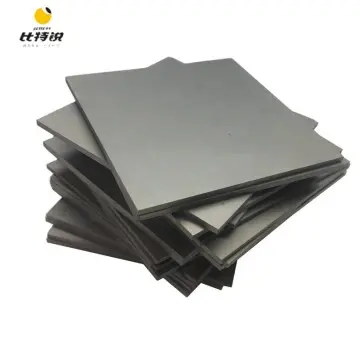
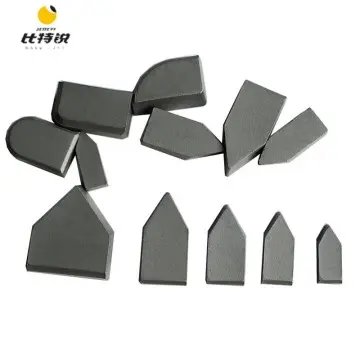
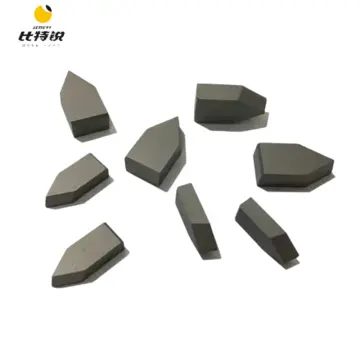

Jiangxi Zhongfu Cemented Carbide Co., Ltd. has worked in the tungsten carbide field for more than two decades. Located in Nanchang, Jiangxi — the heart of China's tungsten supply chain — our 5,000+ m² factory controls the full route from powder mixing to final grinding.
Unlike catalog-only suppliers, we hold patented grade formulations and adjust binder content and grain size so each part matches the buyer's actual wear, impact or corrosion conditions — not just a dimension on a drawing.
Technical team members
Patents obtained
Positive customer reviews
Industry awards & medals
What our long-term customers in tooling, mining and steel processing tell us matters most when qualifying a carbide supplier.

An experienced engineering team reviews every drawing and can optimize the formulation to your performance target. Every inquiry receives a technical reply within 8 hours.

Precision automatic presses, pressure sintering furnaces, precision grinding machines and metallographic microscopes keep density, hardness and dimensions consistent batch to batch.

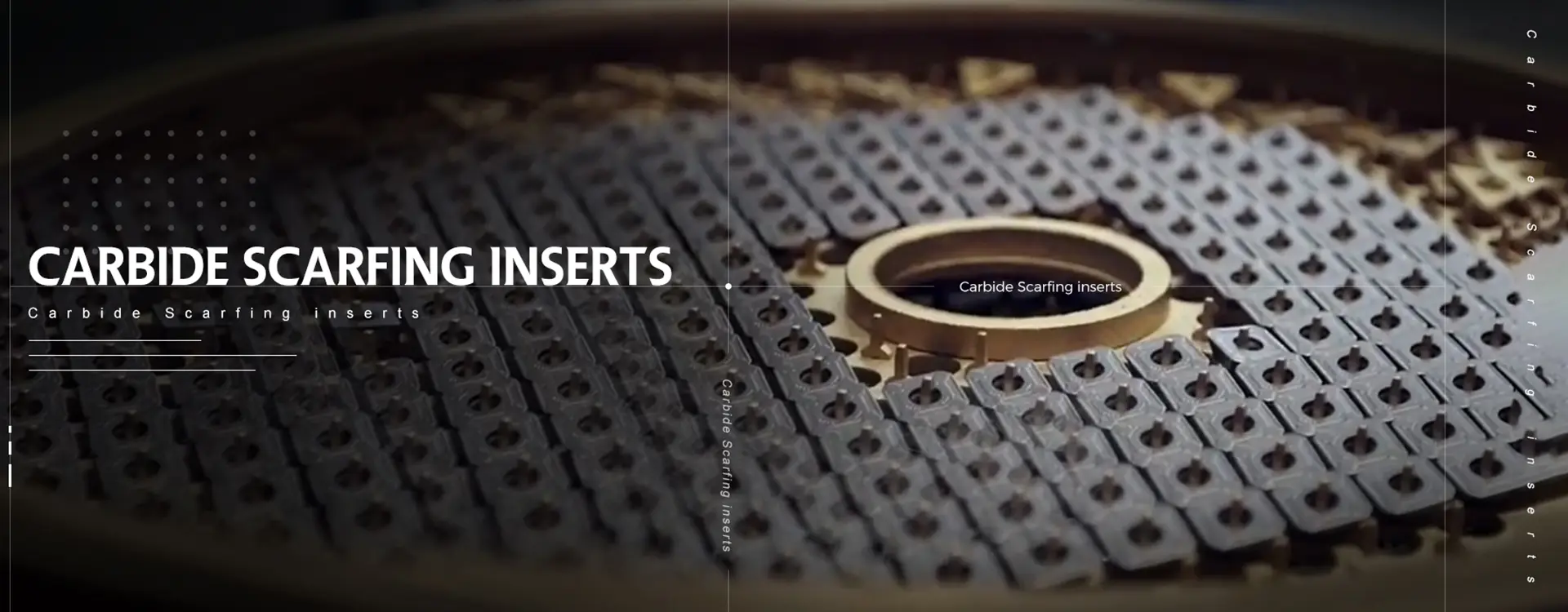
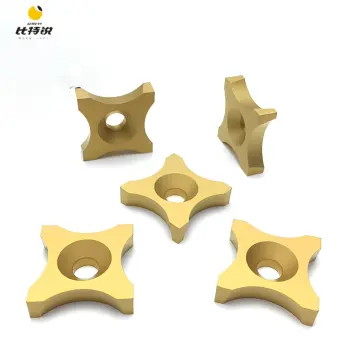
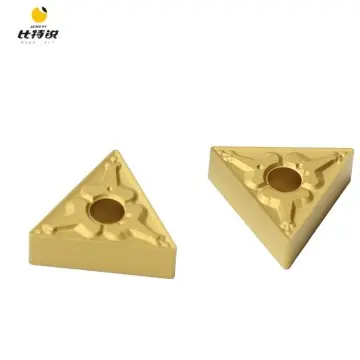
From scarfing inserts SPUB63, SPUB86, SNMX15, SNMX19, SNMX25, SNMG1907 to gripper inserts, railway tamping tine tips, scarifier cutters and carbide bowls — all made from 100% virgin raw material.

Fast feedback, reliable wear performance and factory-direct pricing. Longer tool life means fewer change-overs and less downtime — the real cost driver for industrial buyers.
WC powder blended with Co or Ni binder using our patented recipes for the target grade.
Precision presses form near-net shapes for plates, rods, tips and inserts.
Sinter-HIP furnaces close internal porosity for higher strength and wear life.
Surface, centerless and profile grinding to tolerance, e.g. h6 on round rods.
Microstructure, porosity and grain inspection before packing and export.
The rule of thumb: lower cobalt means higher hardness and wear resistance; higher cobalt means more toughness against impact. Use this table to shortlist a grade before you send your drawing.
| Grade | Binder (Co %) | Density (g/cm³) | Hardness (HRA) | Toughness | Typical Applications |
|---|---|---|---|---|---|
| YG6ISO K10–K20 | 6 | 14.8–15.0 | ≈ 90.5 | Low | Cast iron machining, wear plates, drawing dies |
| YG8ISO K20–K30 | 8 | 14.6–14.8 | ≈ 89.5 | Medium | Brazed tips, rock drill bits, lathe welding blades |
| YG15ISO K40 | 15 | 13.9–14.1 | ≈ 87.0 | High | Stamping dies, cold heading molds, punches |
| YG20Impact grade | 20 | 13.4–13.6 | ≈ 85.5 | Very high | Heavy-impact dies, forming tools, thick EDM blocks |
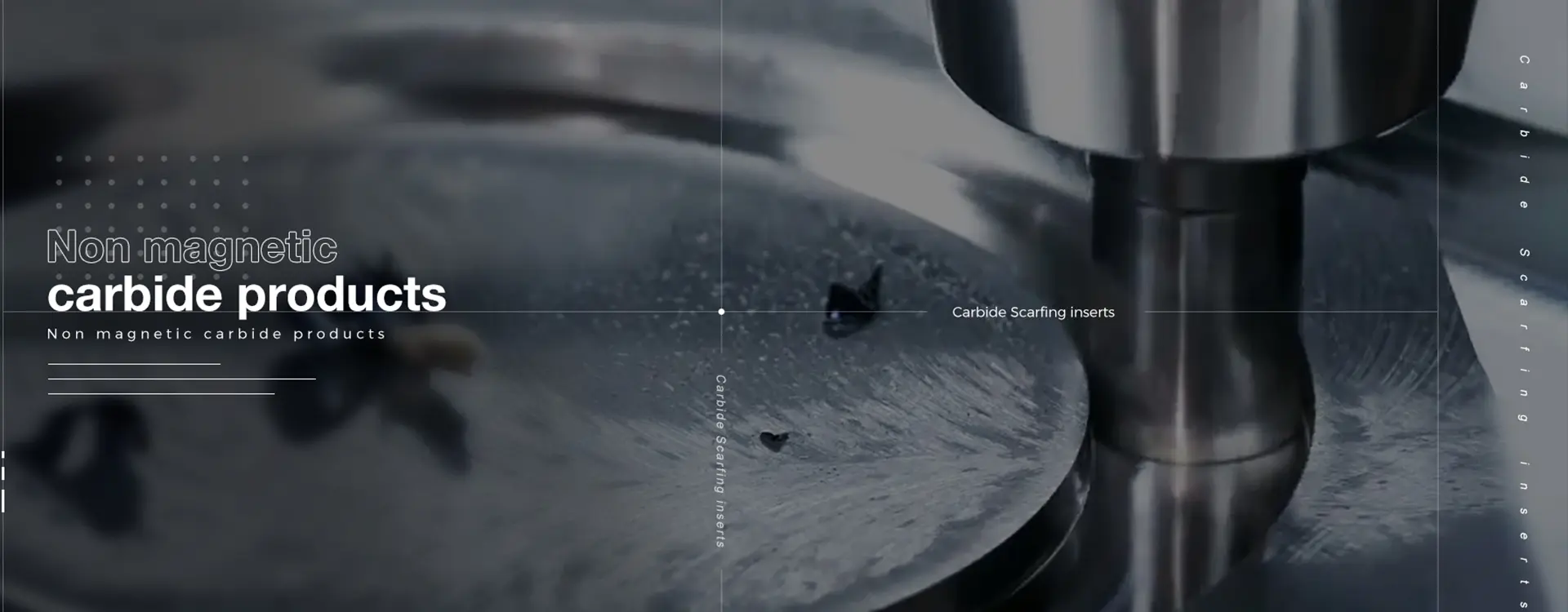
| Ni-bondedNon-magnetic | Ni binder | ≈ 14.5–14.9 | ≈ 88–90 | Medium | Magnetic molding dies, MWD downhole parts, seal rings |
Metalworking remains the largest destination for cemented carbide plate. Learn how grade, porosity and grain size translate into tool life and cost per part.
Why YG8-class brazed tips remain the workhorse for lathe tools and drill bits, and how brazing quality affects chipping and tip loss in service.
A tungsten carbide plate — also called a cemented carbide flat blank — must match the load case. A practical checklist for grade, thickness and finish.
Straight answers from our engineering and export team. For drawing-specific questions, contact us directly.
Talk to an EngineerSizes, grades and application notes for plates, rods, inserts, molds, brazed tips and non-magnetic parts — in one PDF for your engineering and purchasing teams.