
High-Performance Carbide Plates for Heavy Tooling & EDM Processing
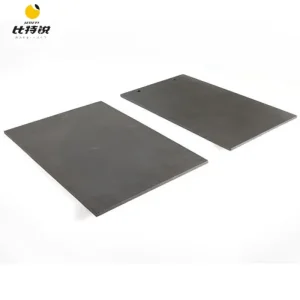
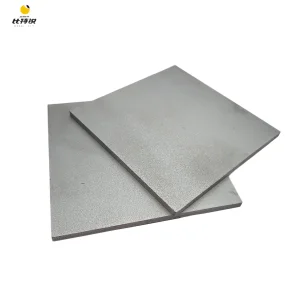
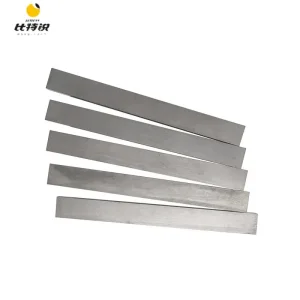
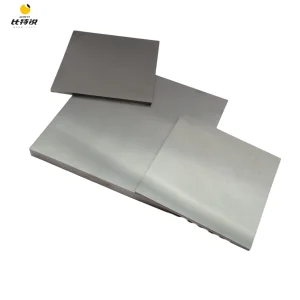
Ultra-dense sintered carbide plates engineered to withstand severe abrasive wear, extreme pressure, and thermal degradation in precision stamping, mold creation, and heavy metallurgy.
Carbide Plate Manufacturing Dynamics: The Luxembourg-European Axis
Luxembourg stands at the technological epicenter of the Greater Region (Saar-Lor-Lux), driving extreme demand for precision tungsten carbide blanks across steel transformation, Tier-1 automotive tooling, and heavy earthmoving mechanics.
Luxembourg Commercial Fabric
Though small in land area, the Grand Duchy of Luxembourg anchors global metallurgy champions such as ArcelorMittal and leading polymer-to-metal compounding facilities (Goodyear Colmar-Berg, Husky Injection Molding Systems in Dudelange). This creates continuous operational requirements for high-compressive-strength cemented carbide plates that can endure sustained mechanical cycling.
Global Tungsten Geopolitics
Over 80% of global tungsten reserves and chemical extraction capacity (Ammonium Paratungstate - APT) are concentrated within China. European machining and toolmaker facilities face sharp price volatility and regional logistics crunches. Partnering directly with Chinese core sintering facilities eliminates layered markups and guarantees uninterrupted upstream supply chains.
The Sinter-HIP Paradigm
Standard vacuum sintering often leaves microporosities within large cross-section carbide plates, causing internal stress fractures during wire-EDM cutting. Sinter-HIP technology, running at up to 10 MPa (100 bar) under argon, completely dissolves structural micro-voids, providing European mold makers with isotropic metallurgical integrity.
Chinese Manufacturing Efficiency vs. Luxembourg Local Machining
A synergistic approach: We deliver precision-sintered, near-net-shape carbide plates with optimal internal formulations, allowing Luxembourg toolrooms to focus capital on five-axis diamond grinding and wire-EDM micro-finishing.
Production Efficiency & Cost Rationalization
Purchasing pre-ground carbide slabs from European distributor networks can inflate tooling budgets by 40% to 70%. Our Chinese manufacturing base, headquartered in Nanchang, Jiangxi, leverages unmatched operational efficiencies:
- 100% Virgin Powder Formulations: Guaranteed zero recycled scrap; consistent stoichiometric control of carbon balance prevents brittle eta phase formation.
- Ultra-Large Sintering Furnaces: Capable of sintering single-piece carbide blocks exceeding 300x300x80mm without differential thermal warping.
- Rapid Prototype-to-Production Cycles: Custom dies fabricated in under 5 working days, sample sintering delivered within 10 days via DHL/FedEx to Luxembourg Airport (Findel).
Critical Luxembourg Industrial Applications
Our carbide plates are specifically customized for mission-critical applications across Luxembourg’s specialized precision sectors:
- Steel Rolling Mill Wear Liners: Guide plates and scrapers serving continuous casting and hot rolling rails in Differdange and Belval steel plants.
- High-Speed Progressive Stamping Dies: Silicon steel lamination stamping (YG15 / YG20) for next-generation electric motor stators and automotive connectors.
- PET & Polymer Injection Nozzle Plates: High-hardness SiC and sub-micron WC plates maintaining dimensional accuracy at Husky-standard injection pressures.
Cemented Carbide Grade Selection for Engineering Procurement
Selecting the precise grain structure and binder percentage is vital for maximizing tooling longevity. Use this verified technical matrix to match your stress-state requirements.
| Alloy Grade | Cobalt Binder (%) | Density (g/cm³) | Hardness (HRA) | TRS (MPa) | Optimal Luxembourg Industrial Application |
|---|---|---|---|---|---|
| YG6X (Sub-micron) | 6.0% | 14.90 - 15.05 | 92.5 | 2,200 | Extreme Abrasion Razor blades, non-ferrous sheet slitters, fiber cutters |
| YG8 | 8.0% | 14.70 - 14.90 | 90.0 | 2,600 | Wear & Moderate Impact Heavy wear guides, powder compaction dies, wood-shaping plates |
| YG15 | 15.0% | 13.90 - 14.15 | 87.5 | 3,100 | Progressive Stamping Medium stamping dies, automotive cold punch blocks, EDM blanks |
| YG20 | 20.0% | 13.40 - 13.65 | 85.5 | 3,400 | Severe Impact Heavy cold heading dies, thick-plate stamping, fastener tooling |
| NM-12 (Nickel Binder) | 12.0% Ni | 14.40 - 14.60 | 88.5 | 2,500 | Non-Magnetic / Anti-Corrosion Magnetic sensor tooling, chemical seals, downhole instrumentation |
Need Custom Carbide Plates Sintered to Specific Micron Tolerances?
Submit your CAD files or technical specifications. Our metallurgical engineers review drawings and return complete DFM feedback with competitive factory-direct pricing within 8 hours.
Frequently Asked Technical Questions by Luxembourg & European Buyers
Direct technical answers addressing material selection, EDM processing, tolerances, and supply chain logistics.
How does Sinter-HIP processing prevent micro-cracking during Wire-EDM wire cutting?
Can you provide custom-ground carbide plates with h6 or ground tolerances to Luxembourg?
What are the lead times and shipping routes for industrial shipments to Luxembourg?
How do you verify material integrity and prevent internal metallurgical voids?
When should a tool designer specify non-magnetic nickel-binder carbide over standard cobalt grades?
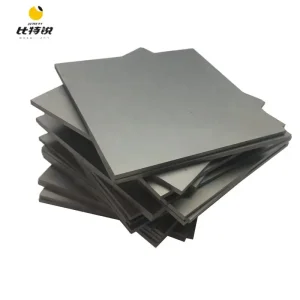
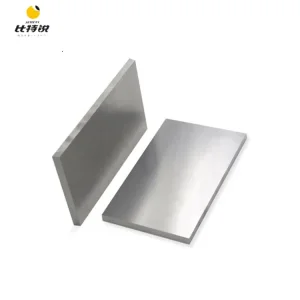
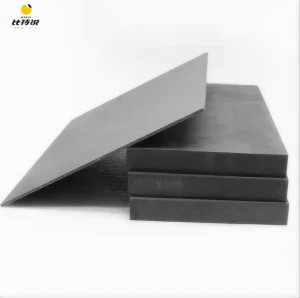
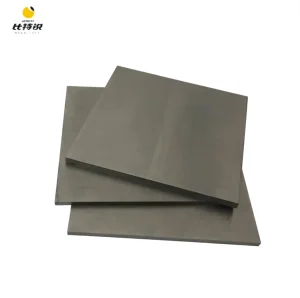
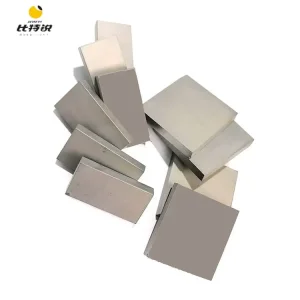
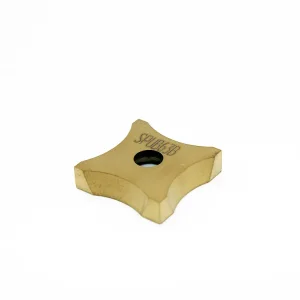
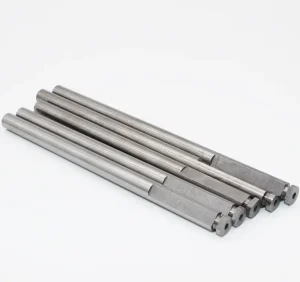
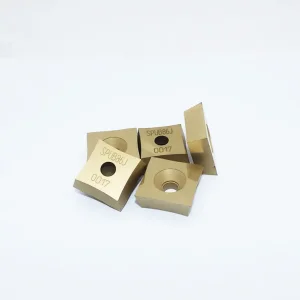
Engineered Carbide Plates, Thick Blocks & Indexable Tooling
Explore our full manufacturing catalog of sintered flat blanks, high-impact thick blocks, and precision metal-cutting inserts engineered for European toolrooms.
Equip Your Facility with High-Integrity Carbide Plates
Partner directly with a primary Chinese manufacturing center. Lower procurement overheads without sacrificing European dimensional and metallurgical standards.