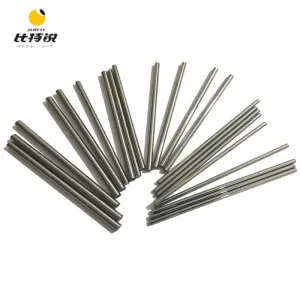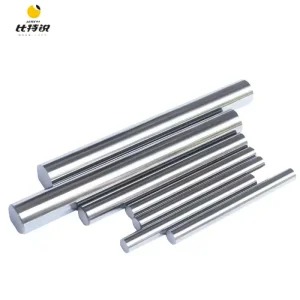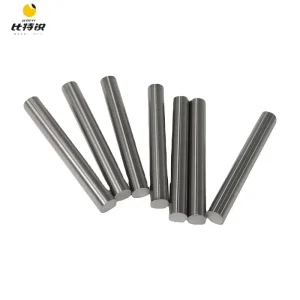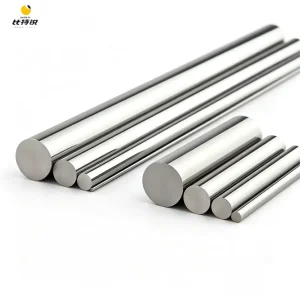
Buy Tungsten Carbide Round Rod Blanks for End Mills Manufacturer, Manufacturers
Product Description
Hardness and Durability
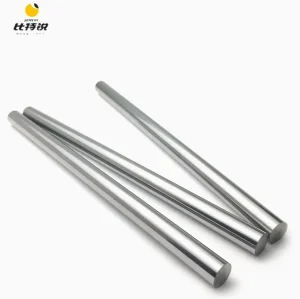
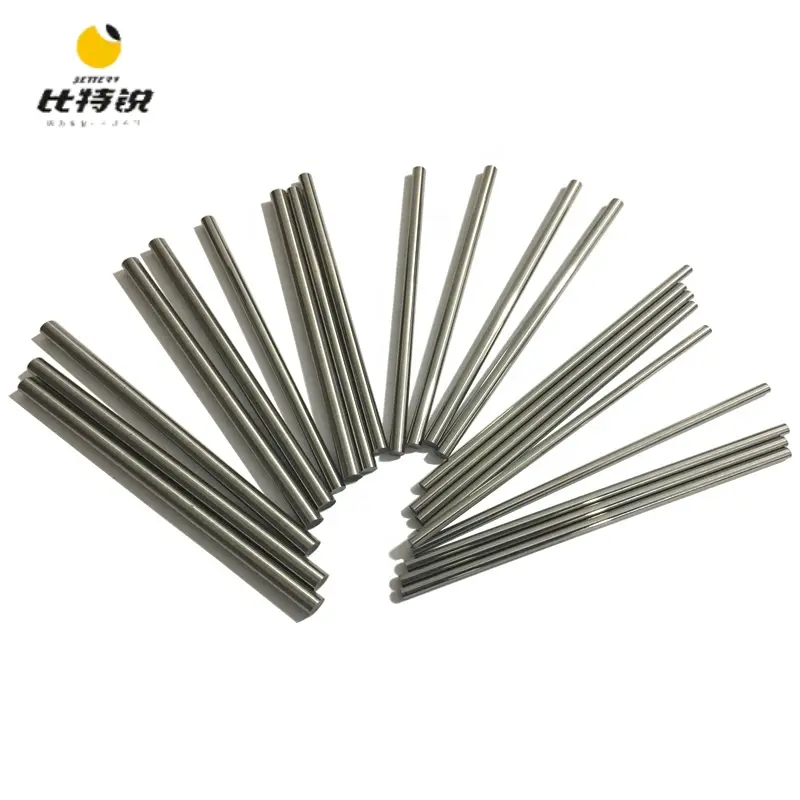
Carbide rods consist of tungsten carbide, far harder and more durable than HSS or HSSCo. They are perfect for high-speed and heavy-duty cutting and grinding tasks. Greater hardness extends tool life, minimizing frequent tool replacements and boosting productivity.
Higher Cutting Speeds
Engineered for high-speed cutting, carbide rods deliver far faster cutting speeds than conventional cutting tools thanks to their exceptional hardness and strength. This shortens machining time and raises overall productivity.
Improved Surface Finish
Compared with traditional cutting tools, carbide rods deliver superior surface finishes. Their homogeneous grain structure lessens vibration chatter to achieve smoother workpiece surfaces.
Wider Application Range
Carbide rods work well with numerous materials including hardened steel, stainless steel, cast iron as well as non-metals like composites and plastics. They serve as versatile blanks for diverse manufacturing processes.
Cost-Effectiveness
Though carbide rods carry higher upfront costs, they offer long-term cost advantages. Longer service life lowers tool expenses, maintenance costs and machine downtime, cutting the total ownership cost.
Types of Carbide Rods
| Type | Description | Common Applications |
|---|---|---|
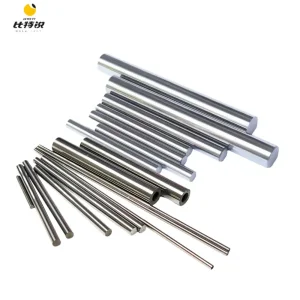
| Solid Carbide Rods | Entirely made of tungsten carbide, offering superior rigidity and wear resistance. | Precision cutting tools, end mills, reamers. |
| Single Hole Rods | Feature a central hole, reducing weight and improving chip evacuation. | Drills, step drills, and punch tools. |
| Double Hole Rods | Have two central holes, offering improved cooling and chip flow. | Specialized drilling tools, advanced cutting tools. |
| Blanks | Unshaped rods used as starting material for custom tool manufacturing. | Tool grinding, custom cutting tool production. |
| Precision Ground Rods | Rods that have been ground to precise tolerances for high-accuracy applications. | High-precision cutting, finishing tools. |
| Unground Rods | These are basic rods that have not been ground, allowing for further customization. | Machining, custom tool creation. |
| Specialty Coated Rods | Coated with materials like titanium nitride (TiN) for enhanced performance. | High-wear environments, high-speed cutting. |
| Straight Rods | Basic, straight cylindrical rods used in various machining operations. | General machining, tool holders. |
| Tapered Rods | Feature a tapered design for specific applications. | Custom machining tasks, specialized cutting tools. |
| Spiral Coolant Hole Rods | Have spiral holes for improved coolant flow, enhancing tool life and performance. | High-speed drilling, advanced machining processes. |
Applications of Carbide Rods
Metal Cutting and Machining
Carbide rods are widely employed in metal cutting and machining applications. Their exceptional hardness and wear resistance make them ideal for creating precision tools such as drills, end mills, and cutting inserts. Manufacturers rely on carbide rods to achieve efficient and accurate metal shaping processes.
Woodworking Tools
In the woodworking industry, carbide rods find extensive use in crafting durable cutting tools. Saw blades, router bits, and planer knives made from carbide provide longer lifespan and superior performance compared to traditional materials. Woodworkers appreciate the reliability and precision offered by carbide tools.
Mining and Geological Drilling
Carbide rods play a crucial role in mining and geological drilling operations. Drill bits equipped with carbide tips can withstand the demanding conditions of rock and soil penetration. This durability ensures efficient and cost-effective exploration and extraction processes in the mining industry.
Industrial Wear Parts
Industries dealing with abrasive materials often utilize carbide rods to manufacture wear-resistant components. Carbide is known for its hardness and resistance to wear and tear, making it an excellent choice for creating parts like nozzles, valve seats, and other components subjected to harsh conditions.
Medical Instruments
Carbide rods are also employed in the production of high-precision medical instruments. Surgical tools, dental drills, and other medical implements benefit from the hardness and stability provided by carbide materials, ensuring accuracy and reliability in critical healthcare procedures.