China Dia 8 × 330 mm Nano Grain Size Tungsten Carbide Rods for Making 0.25 µm Endmills, Drills and Boring Tools Manufacturer, Suppliers
Product Description
Product Description
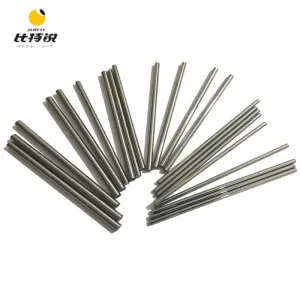
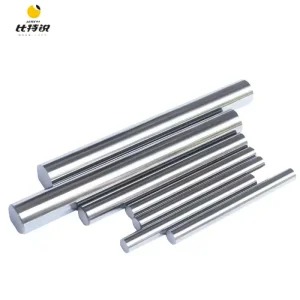
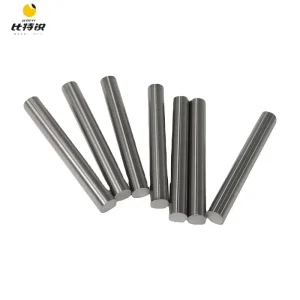
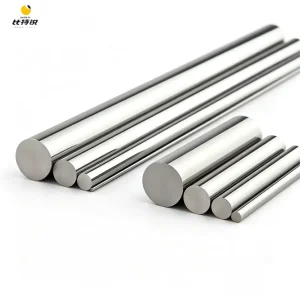
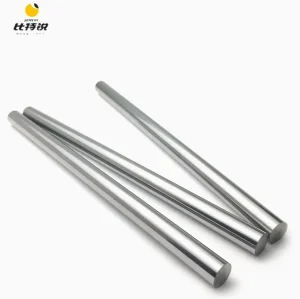
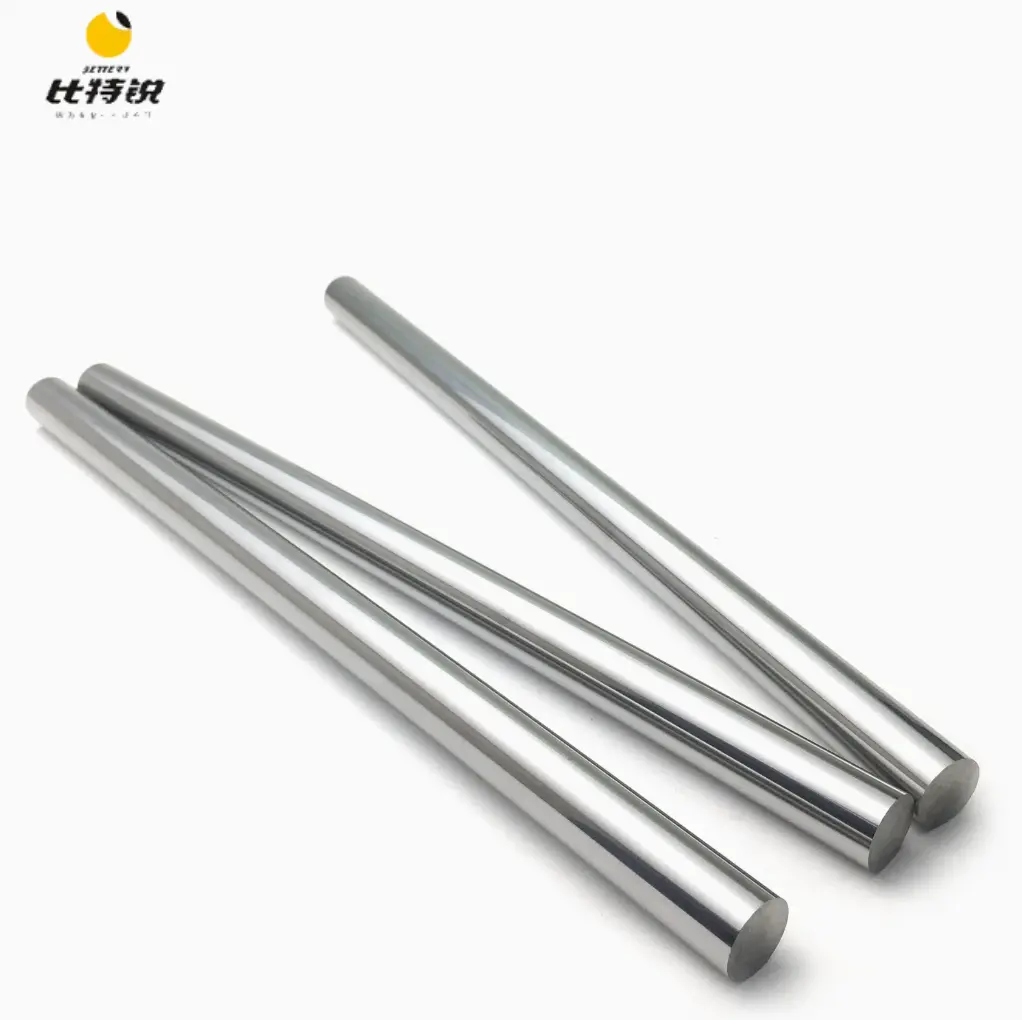
The tungsten carbide rods and blanks are manufactured via extrusion from the highest-purity raw materials and subjected to advanced sinter-HIP processing. This approach ensures exceptional internal density, high structural reliability, and superior overall cutting tool performance. Standard cutting tool grades are typically engineered in sub-micron and ultra-fine grain structures; specialized alternative grades can be custom-formulated to exact user specifications.
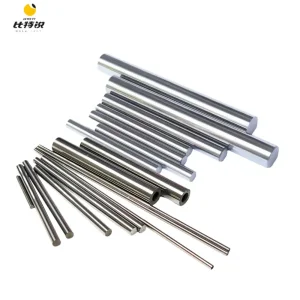
Tungsten carbide round rods serve predominantly as base substrates for high-performance drills, end mills, and reamers. Beyond standard rotary milling, these rods are broadly deployed in precision cutting, metal punching, and dimensional measuring tools, serving critical requirements across paper making, packaging, industrial printing, and non-ferrous metal processing industries.
Why Choose These Carbide Rods
Technical Specifications
| Grade | Nano / ultra-fine grain carbide (0.2 µm) |
|---|---|
| Diameter × Length | Ø 8 mm (H6 ground) × 330 mm |
| Composition | 9% Co + 91% WC |
| Density | 14.5 g/cm³ |
| Hardness | ≥ 94 HRA |
| Transverse Rupture Strength (T.R.S) | ≥ 4,200 MPa |
| Grain Size | 0.2 µm |
| Type | H6 ground blank |
| Application | Metal cutting machines; making endmills, drills, reamers and boring tools |
| Customization | Available — other diameters, lengths and grades made to order |
Applications
- Manufacturing endmills, drills, reamers and boring tools down to 0.25 µm tool precision class.
- Fabricating cutting and punching tools requiring razor-sharp, durable edge-retention.
- Machining high-wear measuring tools and precision gauge components.
- Industrial processing in paper making, packaging, printing, and non-ferrous metal processing.
Frequently Asked Questions (FAQ)
These rods feature an ultra-fine 0.2 µm nano-grain structure formulated with 91% Tungsten Carbide (WC) and 9% Cobalt (Co) binder, offering an optimal combination of extreme hardness and wear resistance.
The rods achieve a hardness of ≥ 94 HRA and a Transverse Rupture Strength (T.R.S) of ≥ 4,200 MPa, allowing tool edges to stay razor-sharp under demanding cutting conditions without edge fracturing.
Standard carbide rods are precision ground to an industry-standard H6 diameter tolerance (such as Ø8 × 330 mm), making them ready for immediate loading into CNC tool grinding and coating systems.
Extrusion combined with Sinter-HIP (Hot Isostatic Pressing) consolidates the material under high gas pressure, removing internal micro-pores to ensure structural uniformity and consistent machining performance.
Yes, customization is fully supported. Non-standard outer diameters, specific cutting lengths, chamfered ends, coolant holes, and alternative grain/cobalt grades can be made to order.