China High-quality tungsten carbide rods for precision drilling and milling Manufacturer, Factories
Product Description
Products Description
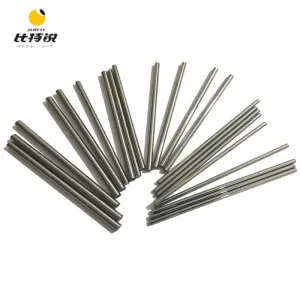
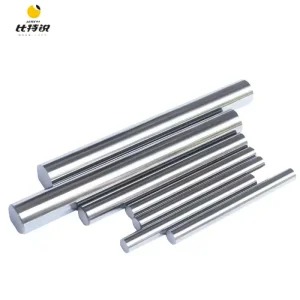
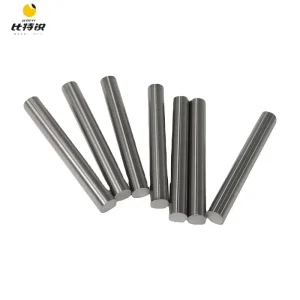
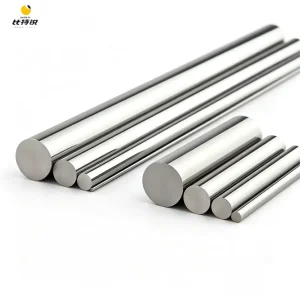
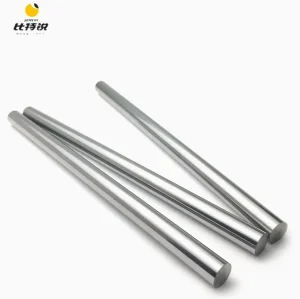
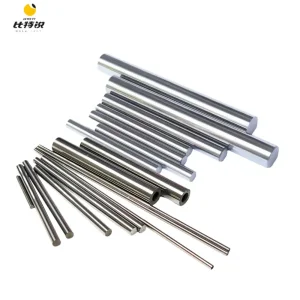
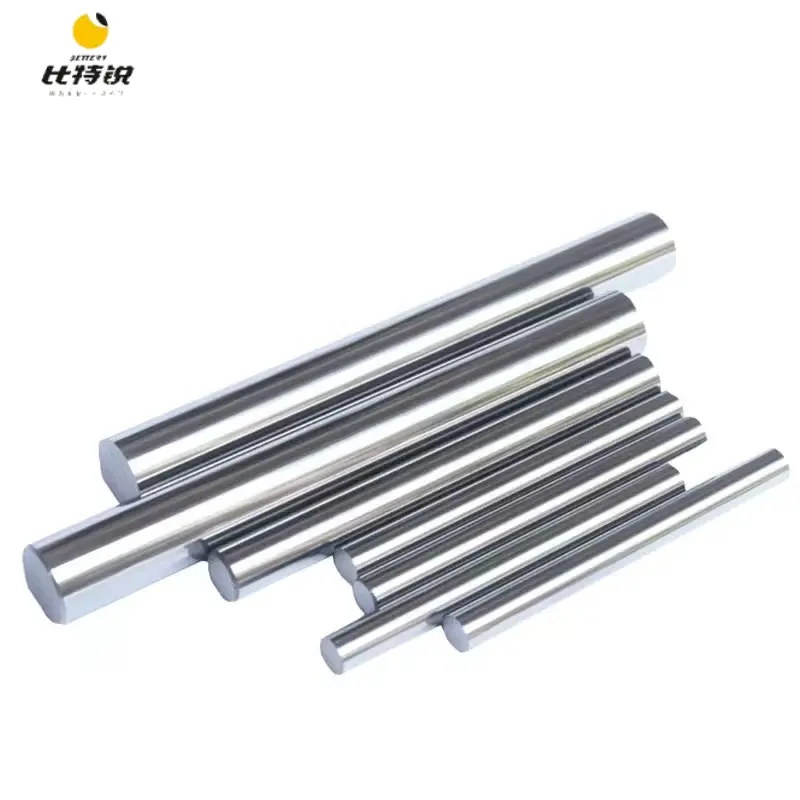
Carbide rods are mainly used in making cutting tools like blades, drills, and milling cutters, but they've also got their hands in mold production, machine tool processing, mineral tools, and various mechanical parts. What makes them really stand out is their incredible hardness and resistance to wear—that means they can handle a lot of pressure and friction when cutting without wearing out quickly, which helps extend the life of your cutting tools. Plus, cemented carbide rods are pretty versatile; you can shape them into all kinds of tool forms through processes like cutting and heat treatment, making them suitable for a wide range of cutting tasks.
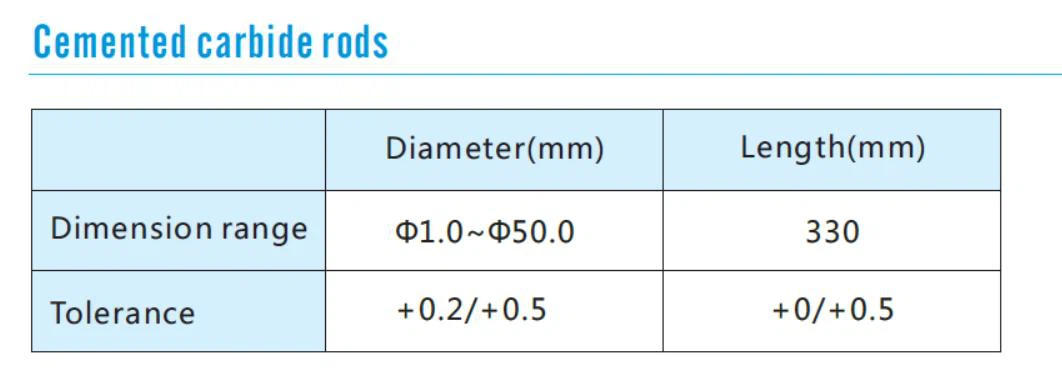
When it comes to making these rods, there are two main methods: extrusion molding and die molding. Extrusion is great if you want long rods—those can be cut down to whatever length you need during the process. Usually, these rods don't go beyond about 350mm in length though. On the other hand, die molding works better for shorter pieces—here, the cemented carbide powder gets pressed into shape using a mold. And if you're after larger, longer round rods, isostatic pressing is considered the most efficient way to produce them. It really depends on what you're looking to make and the size you're after.
Selecting the Right Tungsten Carbide Rods: Factors and Considerations
Let’s break down what really matters when it comes to tungsten carbide rods—namely, grade, size, coating, and a few other factors. These rods come in different grades, each tailored for specific jobs. The grade you choose really influences how hard, tough, and overall performance-driven the rods will be. Then there's size—pretty important for ensuring they fit right into your equipment or project. Coatings, on the other hand, act like a shield, protecting the rods from wear and tear, which means they'll last longer and perform better in tough conditions.
But honestly, the key to picking the right rod is understanding what your specific application needs. Whether you’re cutting, drilling, milling, or shaping, knowing what each task demands is crucial for making smart choices.
Now, different industries have their own set of priorities. For example, in tooling, precision is king—so they go for high-grade rods and advanced coatings. In mining, durability matters a lot—so rods that can handle abrasion and harsh environments are the way to go. And in aerospace, it's not just about strength and durability but also keeping things lightweight to boost efficiency.
Getting a good grip on these industry-specific needs helps decision-makers pick rods that suit their goals and conditions perfectly. That way, they set themselves up for success.
At the end of the day, choosing the right tungsten carbide rods isn’t just about the components—it's about the results they help you achieve. When you understand these key factors and industry nuances, you’re better equipped to make decisions that lead to precision, efficiency, and excellence. And honestly, that’s how industries grow, transform, and reach new heights.