
High-Precision Carbide Rods & Tool Blanks for Greater Tokyo
Engineered for toolmakers across Ota City, Kanagawa, and Saitama. Featuring low cobalt content, ultra-fine sub-micron grains, and superior dynamic edge toughness.
-
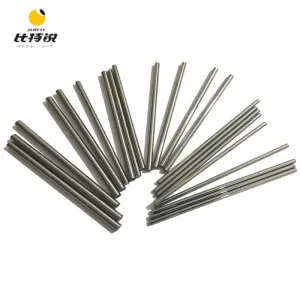
Tokyo Spec Tungsten Carbide Round Rod Blanks for High-Speed End Mills
Configure Specifications -
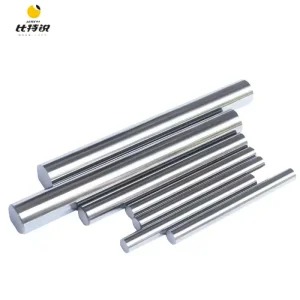
Tokyo Grade Carbide Rods for Sub-Micron Precision Drilling & Deep-Milling
Configure Specifications -
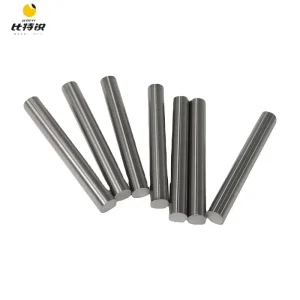
Wear-Resistant Solid Tungsten Rod for Tough Stainless & Titanium Machining in Tokyo
Configure Specifications -
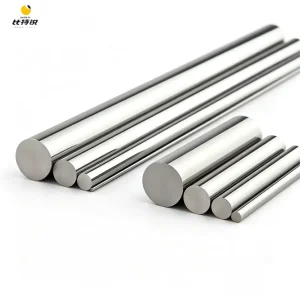
Precision Tungsten Carbide Cutting Rods for Electronic & Die Tool Components
Configure Specifications
Carbide Rod Demand Dynamics in Tokyo's High-Tech Industrial Ecosystem
A technical assessment of modern machining demands throughout the Keihin Industrial Zone, Ota City's precision workshops, and Greater Tokyo's semiconductor tooling hubs.
Micro-Drilling in Electronics & MLCCs
Tokyo leads global development in semiconductor packaging and advanced electronics. Machining printed circuit boards (PCBs) and micro-connectors requires ultra-fine grain carbide rods (grain size <0.4μm) exhibiting transverse rupture strength (TRS) upwards of 4,000 MPa to prevent micro-chipping during high-RPM drilling operations exceeding 120,000 RPM.
Ultra-Precision Die & Mold Manufacturing
Ota Ward's high-mix low-volume master workshops build progressive stamping dies for EV sub-components and optical lens molds. These setups require mirror-finished carbide blanks with strict centerless grinding h6 outer-diameter tolerances, sub-micron circularity, and uniform cobalt distribution to withstand severe EDM thermal impact.
Medical Instrumentation & Dental Tooling
Tokyo's specialized medical device makers demand bio-inert, non-magnetic, and nickel-bonded carbide substrates for precision surgical rotary burrs, dental implants, and micro-needles. These applications demand zero pinhole porosity (tested under A00-B00 metallographic standards) to eliminate premature fatigue failure.
Metallurgical Precision Meets Global Supply Chain Resilience
Combining the world's most stable upstream tungsten concentrate sources in Jiangxi with computerized Overpressure Sinter-HIP furnaces to give Tokyo buyers an edge in precision, durability, and cost stability.
100% Virgin Tungsten Material
Unlike recycled scrap that introduces uncontrolled trace iron, copper, and alkali inclusions, our rods utilize pure ammonium paratungstate (APT). This guarantees consistent grain growth inhibition (VC/Cr3C2 doping) and extended tool life during long CNC roughing operations.
10 MPa Hot Isostatic Pressing (HIP)
Our sinter-HIP units combine low-temperature vacuum reduction with high-pressure 100-bar argon consolidation. This collapses all internal sub-micron micro-cavities, eliminates cobalt pools, and optimizes surface finish across mirror-grade rods.
Direct Freight Corridors to Haneda & Yokohama
Strategic inventory management and automated barcode tracking ensure rapid batch delivery directly to Tokyo, Yokohama, or Chiba within 48 to 72 hours via dedicated regional air and sea lines, keeping your JIT production schedules on track.
Tungsten Carbide Rod Grade Selection Matrix for Tokyo Machining
A reference guide to optimize cobalt fractions, grain structures, and physical properties for titanium alloys, hardened steels, and non-ferrous electronics.
| Standard Grade | Cobalt Content (Co %) | Average Grain Size (μm) | Hardness (HRA) | TRS (MPa) | Optimal Tokyo Machining Applications |
|---|---|---|---|---|---|
| ZF-U06 (Ultra-Fine) | 6.0% | 0.4 μm | 93.5 – 94.2 | 3800 | Hardened die steels (HRC 55–65), aerospace composite profiling, graphite electrodes. |
| ZF-N08 (Nano-Grade) | 8.0% | 0.25 – 0.35 μm | 92.8 – 93.4 | 4200 | Micro-end mills for Tokyo electronics, IC lead frames, optical mold core inserts. |
| ZF-M10 (General High-Speed) | 10.0% | 0.6 – 0.8 μm | 91.8 – 92.5 | 4000 | High-speed drilling in 304/316 stainless steel, Inconel 718, and automotive turbine hubs. |
| ZF-T12 (Heavy Toughness) | 12.0% | 0.8 – 1.0 μm | 90.0 – 90.8 | 3600 | Interrupted heavy cutting, gun drills, heavy-impact reaming in Tokyo heavy manufacturing. |
| ZF-Ni08 (Non-Magnetic) | 8.0% Ni Binder | Sub-micron | 90.5 – 91.5 | 3100 | Precision medical sensor components, semiconductor fabrication fixtures, corrosion-prone setups. |
Frequently Asked Technical & Supply Chain Questions
Real-world insights on tolerances, quality certification, import processes, and custom tool rod manufacturing for engineering teams in Japan.
What surface roughness and tolerances can you guarantee on h6 ground rods?
Our centerless grinding lines hold outer diameter tolerances strictly within ISO h6 (+0 / -0.006mm for Ø3-6mm; +0 / -0.008mm for Ø6-10mm; +0 / -0.009mm for Ø10-18mm). Surface roughness (Ra) is routinely polished down to 0.05 – 0.1 μm, minimizing runout in high-speed shrink-fit holders.
How do you verify sub-micron microstructure integrity before export?
Every production run undergoes metallographic inspection for grain size uniformity, cobalt pooling, and porosity according to ISO 4505 standards. We supply full spectral chemical analysis, density validation, and transverse rupture strength test documentation with each shipment.
Can you provide customized coolant hole designs (straight vs. helical)?
Yes. In addition to solid blanks, we produce single central coolant duct rods, twin parallel duct rods, and 30° to 40° helical twisted coolant hole blanks for deep-hole drilling of sticky titanium and aerospace-grade stainless steels common in Tokyo precision machining.
How does purchasing direct from Jiangxi improve our bottom line in Tokyo?
Procuring directly from our integrated plant cuts multi-tier trading agency markups by 20% to 35%. Our localized powder inventory minimizes tungsten market price fluctuations, helping Tokyo tooling shops maintain competitive bids for Tier-1 automotive and electronics contracts.
Specialized Carbide Blanks, Inserts & Precision Wear Components
Explore our full selection of ultra-fine grain rods, high-precision chuck jaws, and heavy-duty industrial cutting inserts trusted by manufacturing plants worldwide.
-
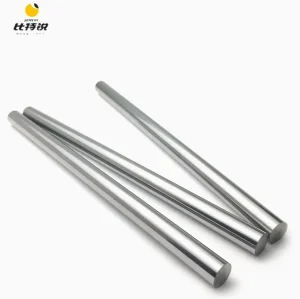
Dia 8 × 330 mm Nano Grain Carbide Rods for 0.25 μm Micro-Endmills in Tokyo
Configure Specifications -
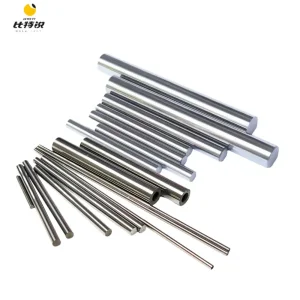
Precision H6 Ground Ø1-40mm Solid Carbide Blanks for Tokyo Toolmakers
Configure Specifications -
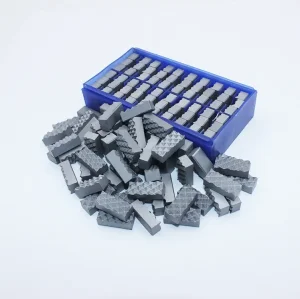
YG8 Tungsten Carbide Gripper Inserts for Heavy-Duty Chuck Jaws in Tokyo Lathes
Configure Specifications -
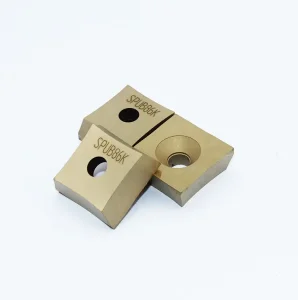
High-Durability Tungsten Cemented Carbide Coated Blank Inserts for Tokyo Machine Shops
Configure Specifications -
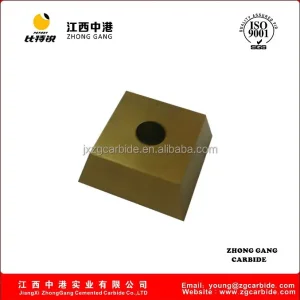
Heavy Industrial Tungsten Carbide Scarfing Insert SQ8615WCB for Tokyo Metal Mills
Configure Specifications -
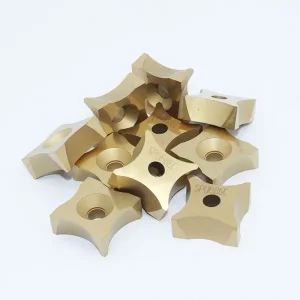
SPUB86C P40 Heavy Machining Tube Scarfing Carbide Inserts for Tokyo Heavy Industry
Configure Specifications -
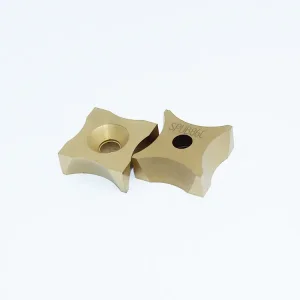
Custom Lathe Drill Bit Inserts & SPUB86C Wear Parts for Precision Tokyo Facilities
Configure Specifications -
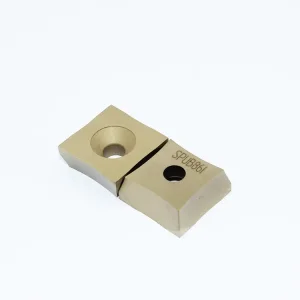
Square Indexable Turning & Milling Carbide Inserts for Tokyo High-Feed Machining
Configure Specifications
Order Engineered Carbide Rods Direct from China to Tokyo
From initial drawing review and custom grade formulation down to high-precision centerless grinding, our engineering team is ready to discuss your specific machining requirements.