Featured Series I
Precision Hartmetall Components & Standard Tooling
Explore standard wear blanks, heavy-duty pipe fittings, brazed mining tips, and indexable scarfing inserts manufactured under strict metallurgical process controls.
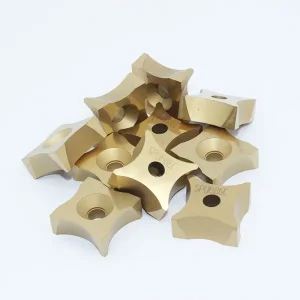
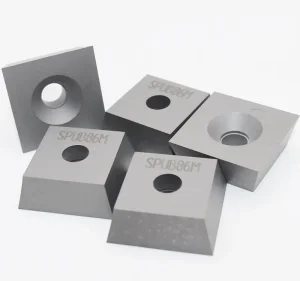
China SPUB86C P40 uncoated blank cemented tools carbide inserts Suppliers, Factory
Inquire Factory Prices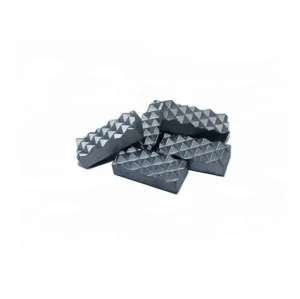
Buy YG8 carbide gripper inserts Manufacturers, Factory
Inquire Factory Prices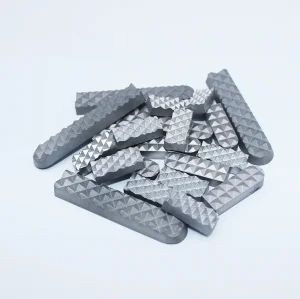
Buy Cemented tungsten carbide gripper inserts/tips for mining and diamond drilling Factory, Factories
Inquire Factory Prices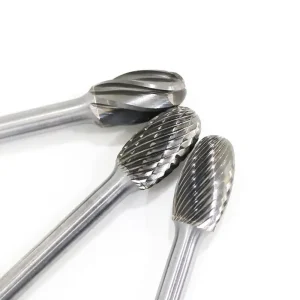
Wholesale Oval cutting tool tungsten carbide rotary file shank diameter Factory, Factories
Inquire Factory Prices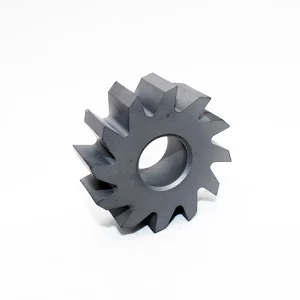
Buy Wholesale custom nonstandard metal worm gears bevel gears pinion gears Suppliers, Factories
Inquire Factory Prices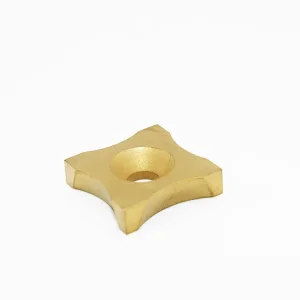
Wholesale Wholesale SPUB63B tungsten carbide insert box used carbide inserts price Supplier, Factories
Inquire Factory Prices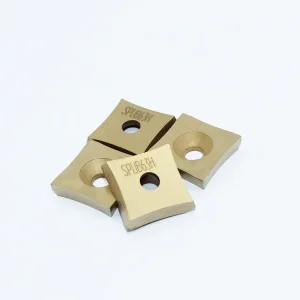
Buy Wholesale woodworking blades tungsten carbide insert milling inserts inconel Manufacturers, Suppliers
Inquire Factory Prices
Market Dynamics
Global Hartmetall Market Landscape & Wholesale Pricing Determinants
Understanding the micro and macroeconomic vectors dictating cemented tungsten carbide wholesale rates (Hartmetall Preise) across North America, the European Union, and Asia-Pacific.
82.4%
Global Tungsten Reserves in China
1,450°C
HIP Sintering Temperature Range
0.2 - 3.5µm
Sub-Micron to Coarse Grain Options
< 8 Hours
Technical Drawing Quotation Latency
Ammonium Paratungstate (APT) Cost Anchor
APT is the primary commodity pricing driver for hardmetal alloys. Variations in the international Fastmarkets and London Metal Exchange APT indexes immediately impact sintered carbide blank and insert quotation baselines. Modern factories hedge raw metal supplies to shield tier-1 procurement partners from radical cost swings.
Cobalt vs. Nickel Matrix Dynamics
Cobalt pricing volatility, driven by electric vehicle battery demand, has stimulated research into nickel-bonded non-magnetic grades and complex tertiary binder formulations. Selecting the precise stoichiometric cobalt content (typically 6% to 20%) ensures that you pay solely for the structural toughness your machining parameters actually require.
Sinter-HIP Furnace Density Metrics
Standard vacuum sintering often leaves micro-voids, increasing scrap rates during wire EDM machining. Zhongfu uses high-pressure Hot Isostatic Pressing (Sinter-HIP at 60–100 bar), eliminating internal porosity. This extends die life and guarantees consistent fracture resistance across repetitive industrial cycles.
Technical Engineering
Engineering Roadmap: Next-Generation Cemented Carbide Metallurgy
The transition from conventional tool-room alloys to gradient cemented carbides, ultrafine nanostructured blanks, and circular closed-loop zinc recycling frameworks.
PHASE I: PURITY
100% Virgin Powder Sourcing
Zero recycled low-grade scrap in critical wear parts ensures controlled WC particle boundaries, uniform grain distributions, and consistent Transverse Rupture Strength (TRS) across all production lots.
PHASE II: MICROSTRUCTURE
Ultrafine Nano-Grain Controls
Integrating sub-micron grain sizes (0.2–0.5 µm) with vanadium/chromium carbide grain growth inhibitors creates extreme hardness thresholds above 92.5 HRA without sacrificing edge fracture stability.
PHASE III: FINISHING
Sub-Micron h6 Precision Grinding
Centerless profile grinders and optical profile projectors deliver tight dimensional tolerances within 0.002 mm, satisfying strict ISO standards for automated shrink-fit CNC tooling systems.
PHASE IV: CIRCULARITY
Low-Carbon Chemical Reclaim
Developing eco-conscious zinc-melt recovery and chemical reprocessing paths for end-of-life carbide inserts, assisting global OEMs in meeting European Corporate Sustainability Due Diligence directives.
Metallurgical Guide
Industrial Grade Selection Matrix & Mechanical Thresholds
Selecting the optimal hardmetal grade requires balancing binder volume, hardness, and fracture toughness to prevent premature tool chipping or excessive abrasive wear.
| Alloy Grade | Cobalt Binder (%) | Density (g/cm³) | Hardness (HRA) | TRS (MPa) | Primary Industrial Field |
|---|---|---|---|---|---|
| YG6 (ISO K10-K20) | 6.0% | 14.90 - 15.00 | 90.5 | 2,100 | Chilled cast iron finishing, non-ferrous turning, precision wire drawing dies. |
| YG8 (ISO K20-K30) | 8.0% | 14.65 - 14.80 | 89.5 | 2,400 | Mining drill bits, rotary burrs, tube scarfing inserts, shear knife edges. |
| YG15 (ISO K40) | 15.0% | 13.95 - 14.15 | 87.0 | 2,900 | Cold heading punches, blanking dies, high-impact forming, thick plate wear parts. |
| YG20 (Heavy Impact) | 20.0% | 13.45 - 13.65 | 85.5 | 3,200 | Cold extrusion punches, powder metallurgy compacting dies, heavy stamping tools. |
| Ni-Bonded (Non-Magnetic) | 8.0–12.0% Ni | 14.50 - 14.85 | 88.0 - 90.0 | 2,300 | MWD/LWD oilfield directional tools, magnetic sensor housings, chemical pump seals. |
Sector Applications
Macro Industrial Solutions & High-Wear Implementation
How customized tungsten carbide elements lower downtime and optimize Total Cost of Ownership (TCO) across challenging industrial operating conditions.
Steel Tube Scarfing & Hot-Roll De-Burring
High-frequency welded (ERW) steel pipes demand heavy-duty internal and external scarfing inserts (SPUB63B, SPUB86C, SNMX). Sintered using specialized TiN and AlTiN multi-layer CVD coatings, our inserts endure severe thermal shock while maintaining clean weld seam removal at 120 m/min continuous feed rates.
Deep Well Drilling & Mining Tooling
High-abrasion geological formations require high-cobalt carbide gripper inserts and brazed tips. Optimized carbide-to-steel brazing interfaces prevent insert shearing during high-torque drill-string rotation, ensuring reliable performance in deep exploration and geothermal operations.
Aerospace & High-Nickel Superalloy Machining
Processing Inconel 718, titanium, and carbon-fiber composites requires sub-micron carbide grades with micro-engineered edge preparations. Sub-micron end mill blanks deliver the heat dissipation and edge retention needed to minimize work hardening in critical turbine and structural airframe components.
Procurement FAQ
Frequently Asked Questions on Wholesale Hartmetall Preise & Manufacturing
Detailed technical, metallurgical, and supply-chain answers for engineering departments, procurement directors, and plant managers.
Can Zhongfu manufacture custom tungsten carbide components directly from engineering drawings?
Yes. Custom fabrication is our core focus. We work with 2D drawings (DWG, DXF, PDF) and 3D CAD files (STEP, IGES, Parasolid). Our team evaluates structural tolerances, surface finishes, and load conditions to select the ideal grain size and cobalt/nickel ratio. Sintering dies and pressing geometry are engineered in-house to maintain near-net shape dimensions, reducing downstream EDM and diamond grinding expenses.
Which specific cemented carbide grades and alloy systems are available in volume?
We manufacture a broad range of standard and custom cemented carbides:
- Tungsten Carbide-Cobalt (WC-Co): YG6, YG8, YG11, YG15, YG20, and fine/submicron-grain micro-tooling alloys.
- Tungsten-Titanium-Cobalt (WC-TiC-Co / P-Series): Formulated for steel machining and high-temperature chip management.
- Non-Magnetic Nickel-Bonded Carbides: Ni-matrix materials for corrosive environments, directional drilling assemblies, and non-magnetic electronics tooling.
- Silicon Carbide (SiC) & Composites: High-hardness sintered plates and wear tiles for extreme chemical and erosive operations.
What metallurgical attributes differentiate non-magnetic carbide from standard WC-Co alloys?
Standard tungsten carbide uses a cobalt binder, which is ferromagnetic and prone to magnetic interference. Non-magnetic carbide substitutes cobalt with an engineered nickel or nickel-chromium binder matrix. This yields relative magnetic permeability (µr) close to 1.005, making it ideal for directional drilling measurement tools (MWD/LWD), magnetic sensor components, electronics handling, and corrosive chemical pumping.
What turnaround times can international buyers expect for technical inquiries and RFQs?
Our engineering team reviews drawings and order parameters within 8 hours. Detailed quotation packages include material data sheets, tooling layout recommendations, dimensional inspection plans, and volume-tiered factory pricing. Standard samples and stock blanks ship within 3–5 working days; custom-pressed parts typically ship within 15–20 working days.
Which international industrial markets do your carbide products serve?
We export engineered tungsten carbide components to more than 20 countries across North America, Europe, Oceania, and Southeast Asia. Key markets include Germany, the United States, Canada, Mexico, Australia, Italy, and Poland. All export shipments include detailed material test reports (MTR), metallographic evaluations, and secure packaging to protect fine ground edges during transit.
Featured Series II
Precision Blanks, Rods, Scarfing Inserts & Structural Tooling
Factory-direct wear plates, solid ground rod stock, ceramic composite plates, and heavy tube scarfing tooling built to your exact application requirements.
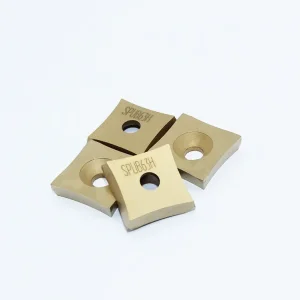
Buy SPUB-63 welding tube scarfing insert,Welding Pipe peeling insert Manufacturer, Manufacturers
Inquire Factory Prices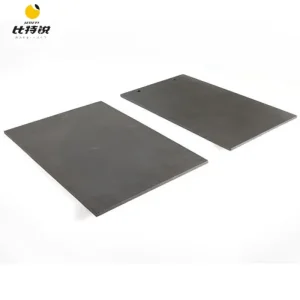
Buy High Hardness High Density Pressureless Sintered Silicon Carbide Plate Polished SiC Ceramic Plate Factory, Factories
Inquire Factory Prices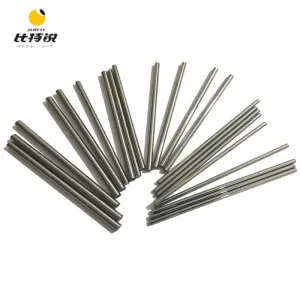
Buy Tungsten Carbide Round Rod Blanks for End Mills Manufacturer, Manufacturers
Inquire Factory Prices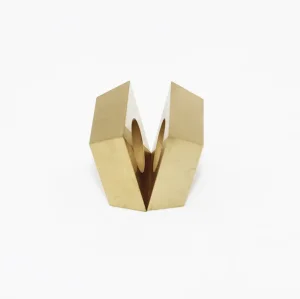
Wholesale Carbide hard alloy blade square Carbide Cutting Inserts for Metal Processing Suppliers, Factories
Inquire Factory Prices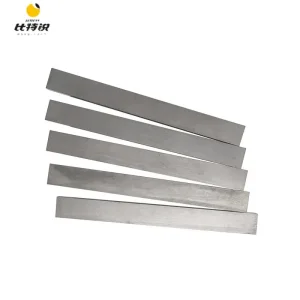
China High-Quality Tungsten Carbide Strips - Durable Cemented Wolfram Bars Supplier, Suppliers
Inquire Factory Prices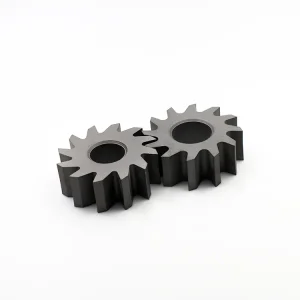
Wholesale China best price straight toothed steel small pinion gears Manufacturers, Supplier
Inquire Factory Prices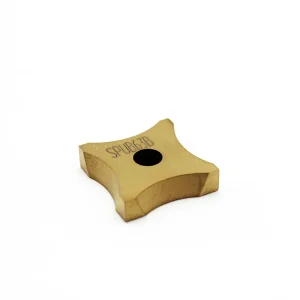
Wholesale SPUB63B wholesale ISO TiN tungsten carbide scarfing insert Supplier, Factory
Inquire Factory Prices