High-Performance Cemented Carbide Blanks & Tooling
Premium tungsten alloy rods, carbide scarfing inserts, and specialty tooling blanks engineered with virgin powder metallurgy for heavy-impact applications.
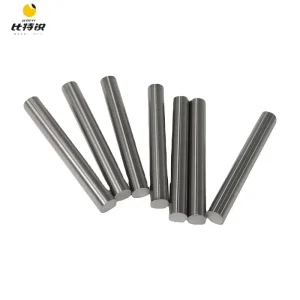
Wholesale Industrial Tungsten Alloy Rod Tungsten Material For Stainless Steel Machining Wear‑Resistant Solid Tungsten Bar Supplier, Suppliers
View Product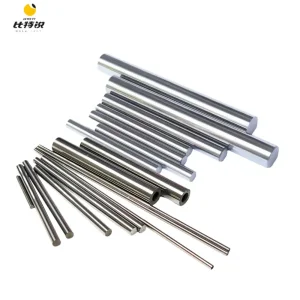
China Tungsten Carbide Round Rod H6 Ground Ø1-40mm Solid Carbide Blanks Manufacturer, Supplier
View Product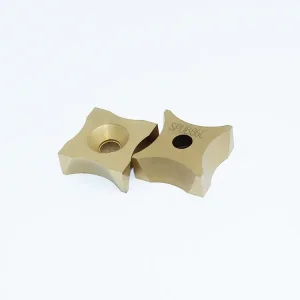
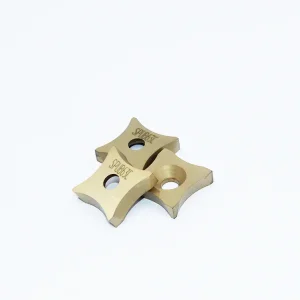
China SPUB86C P40 CVD coating tungsten carbide scarfing insert Manufacturers, Suppliers
View Product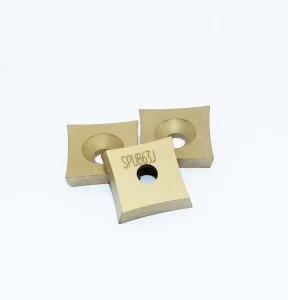
China SPUB63J CVD coating tungsten carbide od scarfing insert Manufacturers, Suppliers
View Product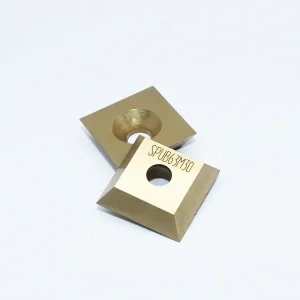
China Wholesale SPUB63M30 tungsten carbide the cutter indexable cutting tools Supplier, Suppliers
View Product
Buy SPUB86C P40 tungsten carbide tube scarfing insert for heavy machining Supplier, Factories
View Product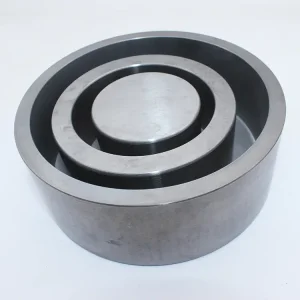
Wholesale Factory sale customized carbide milling jar tungsten carbide bowl/ jar/mortar Manufacturer, Factory
View Product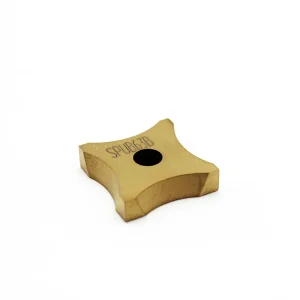
Wholesale SPUB63B wholesale ISO TiN tungsten carbide scarfing insert Supplier, Factory
View ProductEngineering Principles of Tungsten Carbide Tamping Tines
A comprehensive examination of dynamic impact resistance, aggregate compaction physics, and metallurgical longevity under extreme track maintenance regimes.
Aggressive Ballast Dynamics
Railway track ballast consists of crushed granite, basalt, or quartzite with hardness ratings exceeding 6 to 7 Mohs. Standard steel tamping tines experience abrasive blunting within 80 to 120 engine operating hours. Incorporating engineered tungsten carbide brazed plates with tailored grain sizes shields the pick's structural steel core, ensuring consistent penetration geometry throughout continuous track cycles.
Sinter-HIP Microstructure
The micro-porosity of carbide inserts dictates impact toughness under cyclic 35 Hz ballast squeeze vibrations. By utilizing Sinter-HIP (Hot Isostatic Pressing) technology under 100 bar inert gas pressure, binder cobalt distribution is homogenized, eliminating sub-surface void nucleation sites and preventing premature tip fracturing when striking misaligned concrete sleepers.
High-Frequency Induction Brazing
The joint between the structural 42CrMo forged shank and the tungsten carbide wear plates determines operating security. Employing multi-layer silver-copper-nickel sandwich brazing foils dissipates thermal contraction stress gradients, preventing braze shear failures under severe vertical insertion shocks and horizontal compression forces.
China Factory Supply Chain & Global Procurement Synergy
How Jiangxi Zhongfu Cemented Carbide Co., Ltd. resolves the trade-off between strict European/American track safety regulations and industrial scale cost competitiveness.
Direct Tungsten Supply Corridor
Situated in Jiangxi Province—the center of global tungsten reserves—we maintain uninterrupted access to 100% virgin ammonium paratungstate (APT) raw materials. Eliminating secondary recycling loops prevents trace contamination, securing stable transverse rupture strength (TRS > 2,600 N/mm²) across production volumes.
Standards & Regulatory Compliance
Every tamping pick and carbide component is produced under ISO 9001 certified protocols, adhering to stringent EN 13231 track geometry durability specifications and AREMA maintenance recommendations. Complete batch tracking certificates, ultrasonic non-destructive testing reports, and metallographic test sheets are supplied for rail audits.
Tier-1 Fleet Interchangeability
Our tamping pick configurations are precision dimensioned for drop-in compatibility across international track renewal machinery, including Plasser & Theurer, Matisa, Harsco, and Geismar heavy maintenance trains. Tool holders and tine shafts are CNC milled to exact OEM mounting tolerances.
Carbide Formulations for Track Maintenance Applications
Selecting the optimal binder ratio and grain structure based on track loading profiles, tamping frequency, and ballast mineral characteristics.
| Alloy Grade | Cobalt Binder (%) | Grain Size (µm) | Hardness (HRA) | TRS (N/mm²) | Optimized Railway Maintenance Scope |
|---|---|---|---|---|---|
| ZF-RT10 | 10.0% | 2.2 - 2.8 | 88.5 - 89.2 | 2,700 | Standard passenger line maintenance, crushed limestone ballast, continuous high-speed tamping. |
| ZF-RT12 (Heavy Impact) | 12.0% | 3.0 - 4.5 | 87.0 - 87.8 | 2,950 | Heavy haul freight lines, abrasive granite/basalt ballast, high-impact switches and diamond crossings. |
| YG8 Standard | 8.0% | 1.6 - 2.2 | 89.5 - 90.2 | 2,450 | High wear edge plates, secondary scraper plates, and light-rail transit systems. |
| YG15 Tough Core | 15.0% | 2.8 - 3.8 | 86.0 - 87.0 | 3,100 | Structural brazed backing plates, severe dynamic shock stabilization, impact cushion layers. |
Localized Applications & Next-Gen Maintenance Trends
Adapting wear protection architectures to varied geographic ballast conditions and automated track diagnostics.
Sub-Zero Heavy Haul Logistics
Northern North America, Scandinavia, and Siberian freight networks experience sub-zero embrittlement where conventional steel tamping tools crack upon frozen ballast contact. Our proprietary low-temperature resilient nickel-cobalt binders absorb high-energy shock waves at temperatures below -40°C without mechanical failure.
Arid & High-Silica Desert Lines
Middle Eastern and Australian mineral railways run through arid zones where desert dust mixed with ballast creates severe abrasive micro-cutting. Multi-stage armored carbide cladding wraps the tamping pick flanks, extending tool service life beyond 350,000 sleeper tamping cycles.
Autonomous Predictive Tamping
Modern autonomous track maintenance vehicles use hydraulic sensor feedback to detect ballast consolidation density. Standardizing carbide wear profiles prevents tine dimension shifts from skewing sensor feedback, supporting closed-loop robotic tamping depth regulation.
Frequently Asked Procurement & Engineering Questions
Practical guidance regarding tamping pick maintenance, material specifications, and global logistics execution.
Engineered Carbide Inserts, Plates & Scarfing Tools
Explore our complete industrial portfolio of precision-ground cutting tips, EDM flat blanks, and wear-resistant tool inserts.
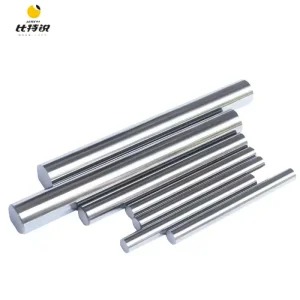
China High-quality tungsten carbide rods for precision drilling and milling Manufacturer, Factories
View Product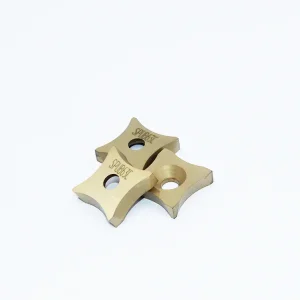
Wholesale Best price SPUB-63C tungsten scrap brake lathe carbide cutting inserts tools Supplier, Suppliers
View Product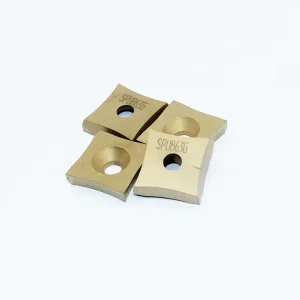
Buy Wear resistant SPUB 63G tool holder insert carbide cutting inserts turning tools Manufacturer, Supplier
View Product
Wholesale Factory wholesale SPUB86 CVD coating tungsten carbide turning inserts Manufacturers, Factories
View Product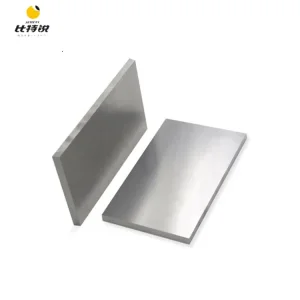
China Tungsten Carbide Plate | OEM Wear-Resistant Cemented Carbide Blank for Tooling & EDM Manufacturers, Supplier
View Product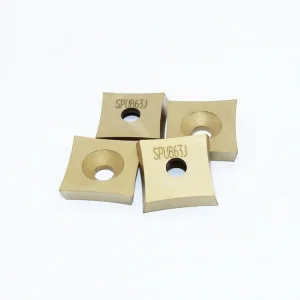
Buy Wholesale sintered cemented carbide stone wood diamond cutting tools Supplier, Factories
View Product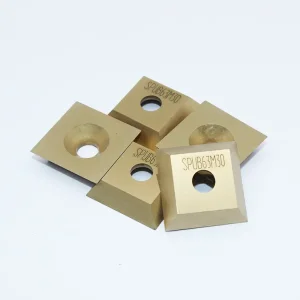
Wholesale Wholesale SPUB63 tungsten indexable carbide brazing inserts woodworking tools Manufacturers, Supplier
View Product