
Precision Tungsten Carbide Products Showcase
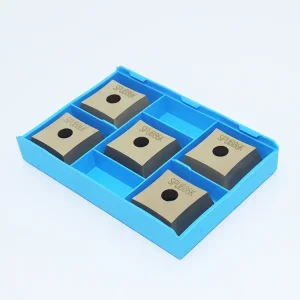
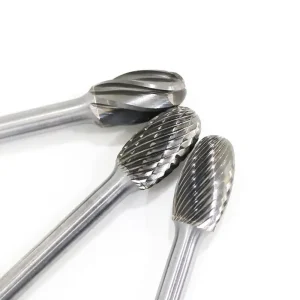
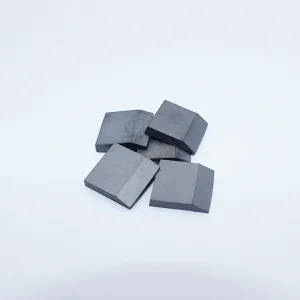
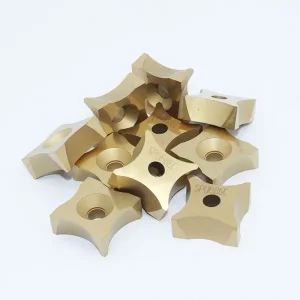
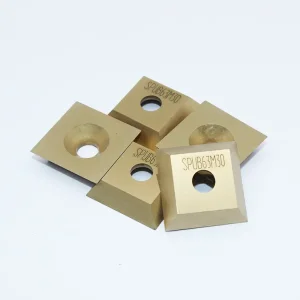
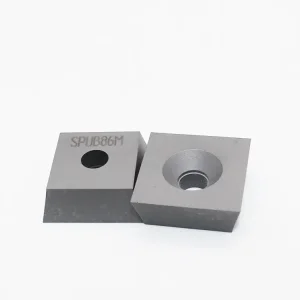
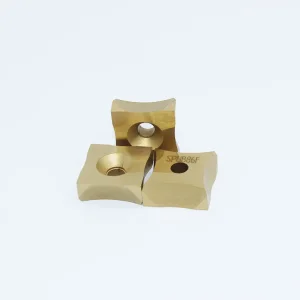
Explore our top-tier catalog of factory-direct tungsten carbide tools, scarper inserts, and wear-resistant flat plates.
Global Commercial & Industrial Status of Tungsten Strips
An authoritative whitepaper breakdown on how tungsten carbide strips drive efficiency in advanced manufacturing.
Material Superiority
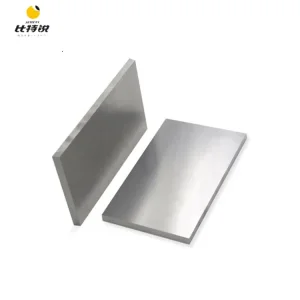
Tungsten carbide strips (often referred to as cemented carbide flat bars or hardmetal plates) represent the pinnacle of powder metallurgy. Composed primarily of fine-grained tungsten carbide (WC) grains bonded together by a metallic cobalt (Co) or nickel (Ni) matrix, these components possess an unprecedented combination of high hardness (up to 93 HRA), extreme compressive strength, and extraordinary wear resistance under severe sliding or impact friction.
Industrial Strategic Need
Across the global manufacturing landscape, downtime caused by premature tool degradation remains a multi-billion-dollar challenge. Premier OEM manufacturers in North America, Europe, and Asia-Pacific rely on precision-ground tungsten carbide strips to arm their automated machinery, progressive stamping dies, VSI crushers, woodworking cutters, and rotary knives against micro-chipping, thermal oxidation, and abrasive galling.
Economic Imperative
Modern industrial buyers no longer evaluate component procurement purely on initial piece price. The focus has shifted decisively toward **Total Cost of Ownership (TCO)** and **Information Gain** in process efficiency. Standard high-speed steel (HSS) tools succumb quickly to high-friction heat, whereas tungsten carbide strips maintain structural rigidity and cutting edge sharpness up to operating temperatures exceeding 800°C.
Metallurgical Engineering & Grade Optimization
Achieving the ideal balance between Transverse Rupture Strength (TRS) and Rockwell Hardness through advanced HIP Sintering.
The manufacturing process of high-grade tungsten strips requires absolute precision at every microscopic stage. Raw tungsten metal powder is synthesized with carbon under controlled thermal conditions to form pure tungsten carbide. The grain size distribution—ranging from ultrafine (0.2–0.5 µm) for high-edge-retention woodworking knives to medium/coarse (2.0–5.0 µm) for high-impact rock crushing—dictates the operational characteristics of the finished product.
| Grade Category | Cobalt Content (%) | Density (g/cm³) | Hardness (HRA) | TRS (N/mm²) | Primary Industrial Application |
|---|---|---|---|---|---|
| YG6 (K10/K20) | 6.0% | 14.80 - 14.95 | 90.5 - 91.5 | 2200 - 2400 | Hardwood cutting, non-ferrous metal wear parts, light stamping dies |
| YG8 (K20/K30) | 8.0% | 14.60 - 14.75 | 89.0 - 90.0 | 2500 - 2800 | Softwood processing, VSI rotor tips, semi-finished steel machining |
| YG15 (K40) | 15.0% | 13.90 - 14.10 | 87.0 - 88.0 | 3000 - 3300 | Heavy cold stamping dies, metal punching tools, severe impact plates |
| YG20 (Impact Grade) | 20.0% | 13.40 - 13.60 | 85.0 - 86.5 | 3200 - 3500 | Extreme shock resistance, cold heading dies, thick section blanking |
| Non-Magnetic Ni-Binder | Ni 6.0-10.0% | 14.50 - 14.80 | 88.5 - 90.5 | 2100 - 2400 | MWD/LWD oil exploration tools, magnetic sensor dies, corrosive media |
Sinter-HIP Technology
All premium Chinese manufacturers utilize 100-bar Sinter-HIP (Hot Isostatic Pressing) furnaces. By applying simultaneously ultra-high temperature (1450°C) and inert gas pressure during the liquid phase sintering, internal micro-voids and porosity are completely eliminated (A00 B00 C00 porosity rating), boosting flexural strength by over 30%.
Precision Surface Finishes
From mirror-polished surface finish (Ra ≤ 0.05 µm) to precision tolerance grinding (h6 / h7 standards), advanced factories employ multi-axis CNC peripheral grinders and wire-cutting EDM blank prep to guarantee zero dimensional deviation for seamless machine integration.
China Factory Efficiency & Global Supply Chain Dominance
Why leading international OEMs partner directly with Chinese tungsten manufacturers for scale, speed, and technical depth.
Unmatched Raw Material Access
China hosts the world's most concentrated upstream supply chain for Ammonium Paratungstate (APT) and pure tungsten powder. Located directly in metallurgical hubs such as Jiangxi and Hunan, factories possess immediate access to virgin APT raw materials, eliminating middle-man logistics markups and guaranteeing stable batch metallurgy.
End-to-End Integrated Production
Top-tier Chinese suppliers control every step: from ball milling, spray drying tower powder preparation, and automated CNC pressing to Sinter-HIP density verification and wire EDM processing. This vertical integration reduces manufacturing lead times from months to days.
Custom Prototyping Capability
Whether requiring standard rectangular strips (e.g., length 310mm, width 10-40mm, thickness 2-10mm) or complex bevel-edged custom wear tiles, modern Chinese factories utilize flexible tooling setups capable of handling low-volume prototype runs as efficiently as high-volume mass production.
Localized Application Scenarios & Industrial Implementation
Real-world deployment of tungsten carbide strips across heavy industry, high-speed cutting, and mineral extraction.
High-Precision Woodworking
Scenario: Processing dense solidwoods, MDF, particle boards, and abrasive laminates.
Tungsten carbide strips are brazed onto steel cutterheads or used as solid carbide knives in planer machines. Fine-grained WC grades withstand the abrasive resins and mineral inclusions inside engineered timbers, maintaining razor-sharp cut line fidelity without burring.
Crushing & Mining Rotor Tips
Scenario: Vertical Shaft Impactor (VSI) rock crushers and gravel processing plants.
In quarrying operations, high-cobalt tungsten strips (YG8 or YG11C) are installed inside the rotor anvil slots. As granite and basalt smash against the rotor at velocities over 70 m/s, the carbide strips shield the metal structural rotor frame from cataclysmic gouging and erosion.
Progressive Metal Stamping Dies
Scenario: High-speed blanking of silicon steel laminations for electric motors and transformers.
Sub-micron carbide plates are EDM-machined into precision punches and die inserts. The exceptional compressive yield strength of tungsten carbide allows millions of continuous punch cycles without dimensional deformation, outperforming tool steel dies by tenfold.
Paper, Recycling & Textile Slitting
Scenario: Continuous rotary slitting of corrugated cardboard, plastic film, and synthetic textiles.
Tungsten carbide flat strips are transformed into ultra-thin circular or straight slitting blades. The high modulus of elasticity prevents blade deflection during high-velocity web shearing, producing clean, fuzz-free edge cuts.
Global Procurement Guide & Industry Trends
How technical sourcing managers qualify Chinese factories and navigate material specifications.
1. Material Authenticity Verification
Global buyers must demand 100% virgin powder certification. Reclaimed or recycled zinc-process carbide powder introduces trace contaminants that drastically lower Transverse Rupture Strength (TRS). Leading Chinese suppliers issue full spectroscopic material certificates (Chemical Analysis & Metallographic Microstructure Test Reports) with every batch.
2. Brazing Compatibility Engineering
When soldering tungsten strips to steel bodies (e.g., 42CrMo or 4340 alloy steel), thermal expansion mismatch can induce localized stress cracking. Sourcing managers should collaborate with factory engineers to specify pre-ground chamfers, brazing-grade nickel coatings, or custom copper-sandwich brazing shims.
3. Emerging Market Trends
The industry is rapidly shifting toward **Nano-Grain Formulations** (< 0.2 µm) which combine high hardness (> 92.5 HRA) with unexpected fracture toughness. Furthermore, automated optical sorting equipment (AOI) is now standard in top Chinese factories, ensuring zero surface micro-fractures pass inspection.
Frequently Asked Questions (Technical Sourcing Q&A)
Expert technical insights answering key questions from procurement specialists and tooling engineers.
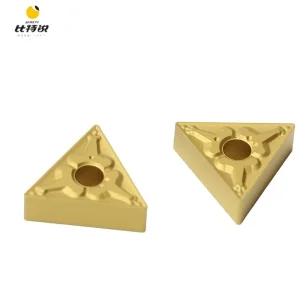
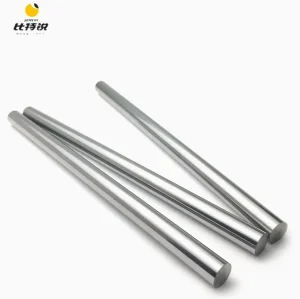
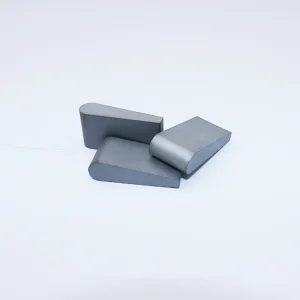
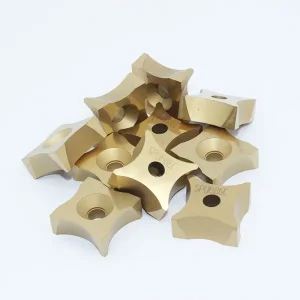
Complete Precision Carbide Equipment & Tooling Range
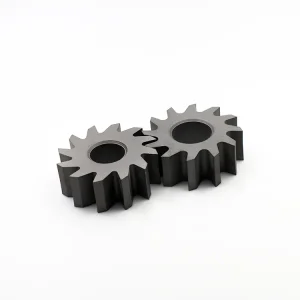
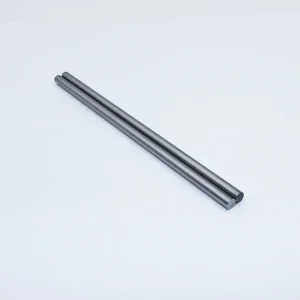
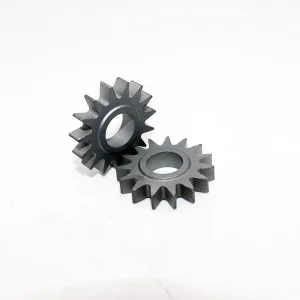
Discover our full spectrum of heavy-duty industrial cutting inserts, nano-grain rods, and custom machine components.
Partner with China’s Premier Tungsten Strip Engineering Factory
In the highly competitive global market for advanced materials, selecting the correct **China Tungsten Strips Manufacturers & Factory** partner represents a vital strategic decision. By combining raw material purity, state-of-the-art 100-bar Sinter-HIP densification, micrograin powder technology, and rigorous ISO-certified quality assurance, leading Chinese manufacturers empower global enterprises to push the boundaries of mechanical performance.
Whether you are designing next-generation heavy-duty VSI rock crushers, high-speed automated woodworking machinery, progressive silicon steel stamping dies, or specialized non-magnetic oil exploration components, our technical engineering team stands ready to transform your 2D and 3D CAD blueprints into high-precision, wear-resistant carbide solutions.