High-Performance Cemented Carbide Assemblies
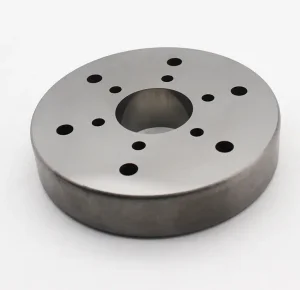
Engineered to exact OEM specifications, featuring high-purity virgin sintering and exceptional microstructure consistency.
Macroeconomic Drivers of China Scrap Carbide Price
Understanding the pricing mechanisms of tungsten scrap (cemented carbide recycling) versus virgin ammonium paratungstate (APT) markets.
Ammonium Paratungstate (APT) Benchmarks
Scrap carbide rates directly correlate with primary APT pricing. When virgin tungsten ore extraction quotas tighten in China's mining hubs, secondary carbide scrap becomes a critical raw material reserve, dynamically driving reclaiming prices upward across Ganzhou and Zhuzhou conversion clusters.
Chemical Reclaim vs. Zinc Process (ZSR)
The processing technique utilized determines buyback evaluation. Chemical recycling yields ultra-pure submicron tungsten acid identical to virgin raw elements, commanding higher price points, while the pyrometallurgical Zinc Process produces lower-cost thermal recycled powder for standard wear components.
Cobalt and Binder Content Variances
Scrap pricing is never flat. Hard scrap lots consisting of high-hardness, low-cobalt metal-cutting tips (e.g., YG6 with 6% Co) yield distinct valuation compared to high-cobalt heading dies (e.g., YG15 or YG20) where fluctuating London Metal Exchange (LME) cobalt spot pricing alters net reclaimed utility.
| Scrap Category | Composition Specification | Reclaim Process Fit | Market Price Influence | Purity Factor |
|---|---|---|---|---|
| Clean Milling / Turning Inserts | WC: 88–94%, Co: 6–10% (Minimal TiC/TaC) | Chemical Re-precipitation or ZSR | Highest demand; tracks 75–82% of spot APT parity | Premium High |
| Solid Carbide Endmills & Drills | WC: 88–92%, Co: 8–12% (Fine/Ultra-fine) | Hydrometallurgical extraction | High stability; minimal cross-alloy contamination | Premium Pure |
| Mining & Road Milling Buttons | WC: 89–95%, Co: 5–11% (Coarse Grain) | Zinc recycling process (ZSR) | Subject to deductions for steel shank braze scale | Medium (Requires De-brazing) |
| Wet Grinding Sludge (Soft Scrap) | WC: 65–80% (Moisture, Oil, SiC residues) | Oxidation-roasting & alkaline leaching | High processing cost discounts applied by smelters | Variable Base |
Zhongfu Direct Factory Sourcing Policy
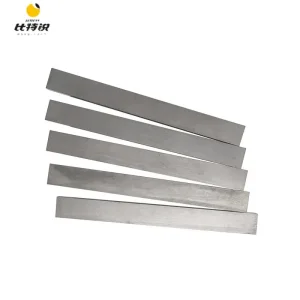
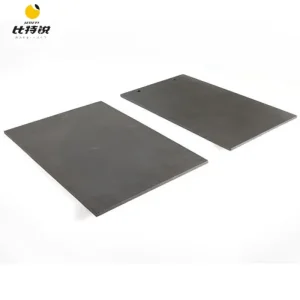
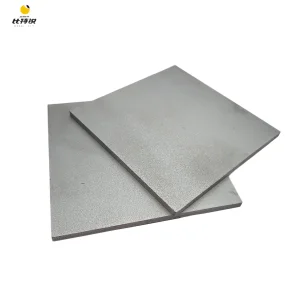
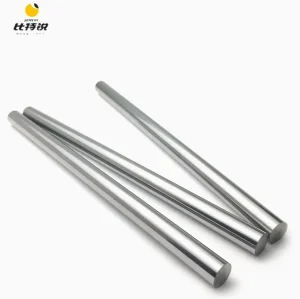
While scrap recycling market indicators illustrate global material volatility, Jiangxi Zhongfu Cemented Carbide Co., Ltd. adheres to strict operational standards: our finished wear plates, nano-grain rods, tube scarfing inserts, and non-magnetic blanks are manufactured utilizing 100% virgin raw materials. We systematically monitor China scrap carbide price shifts as an essential baseline to offer international clients hedging advantages and competitive total cost of ownership (TCO).
China Factory Supply Chain: Why Global OEMs Consolidate Here
Operating inside Jiangxi Province—the world's most concentrated tungsten resource belt—yields structural cost and metallurgical benefits.
Geographic Proximity to Upstream Smelters
By producing in Nanchang, Jiangxi, Zhongfu minimizes intermediate shipping markups and transport oxidation. Rapid access to high-purity tungsten carbide powders (from 0.2 µm nano grains to 8.0 µm ultra-coarse) allows tight powder-blending recipes tailored to target operating stresses.
Full Process Precision Tooling Control
From computer-controlled spray drying towers and multi-axial CNC compaction to 10 MPa overpressure Hot Isostatic Pressing (HIP) sinter furnaces, our integrated facility prevents binder micro-voids, ensuring total structural integrity across all wear components.
Consistent Metallurgical Verification
Each production run is paired with microstructural characterization, including coercivity testing, saturation magnetization (Cobalt magnetic balance), Vickers/Rockwell testing, and ultrasonic density scans to eliminate unexpected downhole or machining fracturing.
Localized Support, Trade Compliance & Traceability
Meeting the non-negotiable procurement standards of enterprise operations across North America, the European Union, Australia, and APAC.
OECD Due Diligence & Conflict Minerals
Global enterprise buyers must satisfy Dodd-Frank Section 1502 and EU Regulation 2017/821. Zhongfu strictly procures tungsten from certified smelters adhering to RMAP (Responsible Minerals Assurance Process), providing audit-ready Certificates of Origin and compliance dockets.
Bilingual Technical SCM Alignment
Avoid translation breakdowns in micron-level tolerances. Our engineering team communicates natively in English, evaluating GD&T schematics, recommending transition grades (e.g., matching ISO K10 to YG6, or P20 to custom WC-TiC-Co blanks), and offering preliminary reviews in less than 8 hours.
Incoterms & Logistics Security
Whether routing airfreight samples via DHL/FedEx or executing 40HQ container sea shipments under DDP, CIF, or FOB terms, export packaging incorporates vacuum desiccated wrap and impact-resistant wood crates to prevent corrosion and edge chipping during maritime transit.
Tungsten Carbide Field Scenarios: Formulations Engineered for Load
Selecting the optimal balance of Rockwell hardness (HRA), transverse rupture strength (TRS), and binder chemistry based on dynamic wear vectors.
Non-Magnetic Instrumentation Components
In water flow meters, downhole MWD/LWD guidance systems, and medical imaging, conventional cobalt-binder carbide causes magnetic interference. Zhongfu utilizes customized nickel-base binder matrices that maintain zero ferromagnetic permeability (μ ≤ 1.005) while resisting harsh electrolytic corrosion.
High-Wear Tube Scarfing & Steel Mill Processing
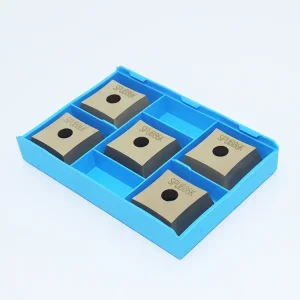
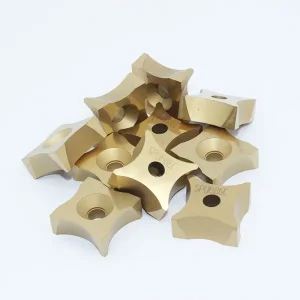
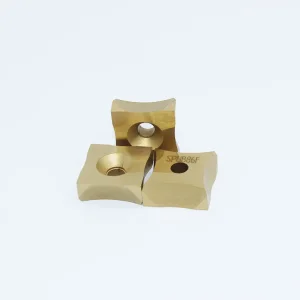
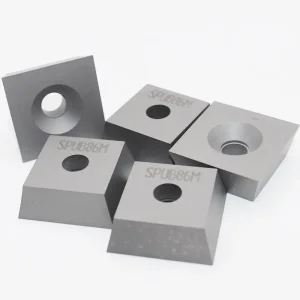
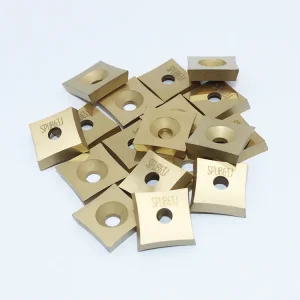
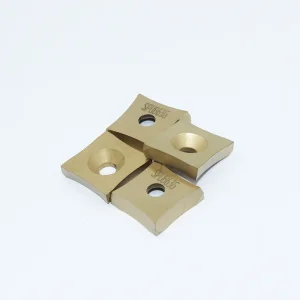
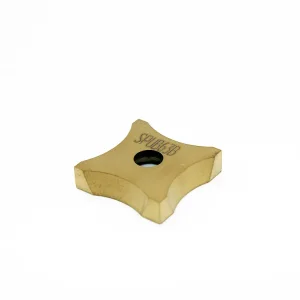
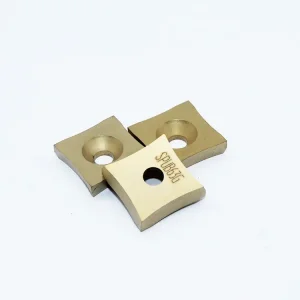
Removing longitudinal weld flash on ERW steel tubing demands heavy thermal shock resistance. Our heavy-duty inserts (such as SPUB63, SPUB86, SNMX) feature thick multi-layer CVD/PVD coatings paired with tough submicron core substrates to eliminate edge chipping at 900°C.
Precision Stamping, EDM Blocks & Cold Heading
For progressive sheet-metal dies, YG15 and YG20 grades offer maximum transverse rupture strength (TRS ≥ 3,800 N/mm²). Thick blocks ground to planarity withstand repetitive stamping cycles without fatigue propagation or internal micro-fracturing under high tonnage.
Emerging Industry Trends Reshaping Tungsten Carbide Markets
How the green energy transition, advanced recycling, and submicron material engineering are transforming the cost and utility of cemented carbide.
Circular Economy & Scope 3 Emissions
Global aerospace, automotive, and heavy tooling manufacturers are mandating reduced carbon footprints. Chemical recycling processes that reclaim secondary tungsten reduce energy expenditure by upwards of 70% compared to virgin mining, positioning scrap carbide management at the center of ESG compliance.
Ultrafine & Nano-Grain Tooling Growth
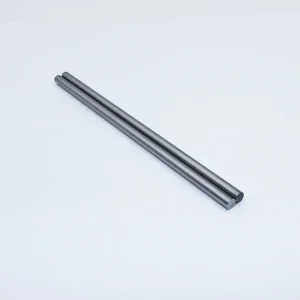
The rise of micro-machining for 3C electronics and high-silicon aluminum parts demands carbide grain sizes below 0.4 µm. Precision sintering with specialized grain growth inhibitors (VC and Cr3C2) prevents recrystallization, delivering tool blanks with extreme hardness exceeding 93 HRA.
Alternative Cobalt-Free Binders
Due to raw material price volatility and cobalt toxicity classifications, research into iron-nickel-cobalt mixed matrices and high-entropy alloy binders is accelerating. Zhongfu's development labs actively explore next-generation binder blends to insulate clients against international supply shocks.
Frequently Asked Questions: Scrap Prices, Virgin Sintering & SCM
Key information regarding international contracts, technical specifications, and raw material verifications.
How does the China scrap carbide price influence virgin carbide parts?
Can Zhongfu manufacture tungsten carbide parts from my drawing?
Which cemented carbide grades do you supply?
What makes non-magnetic carbide different from standard carbide?
How fast will I receive a technical reply?
Which markets do you export tungsten carbide products to?
Precision Inserts, Pinions & Sintered Blanks
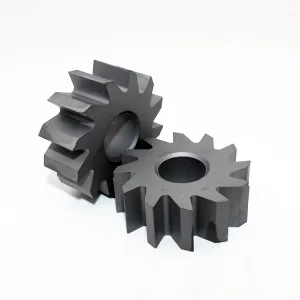
Explore specialized cutting profiles, industrial gears, and heavy wear strips engineered for maximum operational longevity.