
Featured Tungsten Carbide Components & Tooling Inserts
Direct from Jiangxi Zhongfu Cemented Carbide manufacturing plant: pressure-sintered blanks, ground tooling bars, peeling cutters, and precision-machined wear parts matching international metallurgy standards.
-
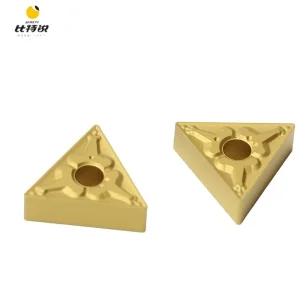 China Tungsten Carbide Bar Peeling Insert Hard Alloy Cutting for Centerless Lathe Steel Rod Manufacturer, SuppliersView Specifications
-
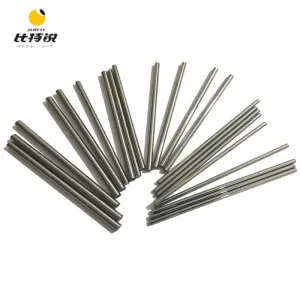 Buy Tungsten Carbide Round Rod Blanks for End Mills Manufacturer, ManufacturersView Specifications
-
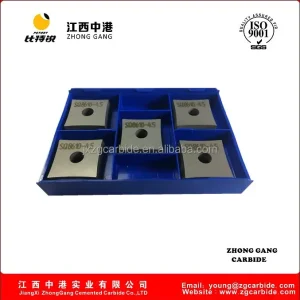 Wholesale carbide OD tube scarfing insert SDUW for weld bead steel tube Manufacturer, FactoriesView Specifications
-
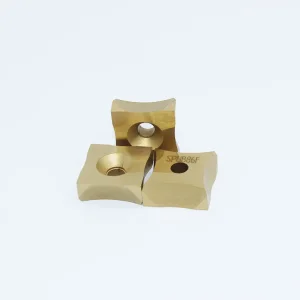 China SPUB86F TiN coating tungsten carbide tube scarfing insert Manufacturers, SuppliersView Specifications
-
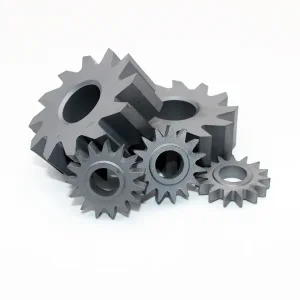 Wholesale China best price custom tungsten carbide steel cutters concrete scarifier blade Supplier, FactoryView Specifications
-
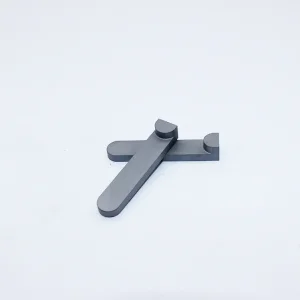 Buy Tungsten carbide tamping tines use tip wearing part for Railway Industry Supplier, SuppliersView Specifications
-
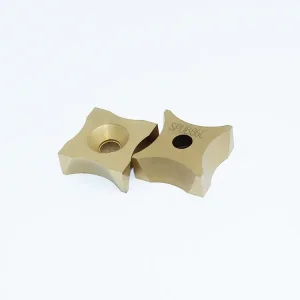 China SPUB86C P40 CVD coating tungsten carbide scarfing insert Manufacturers, SuppliersView Specifications
-
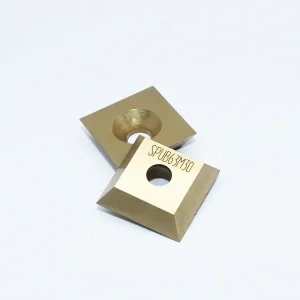 China Wholesale carbide insert cutting tools cnc Supplier, FactoryView Specifications
Global Commercial & Industrial Landscape of Tungsten Carbide Plates
How integrated Chinese manufacturing clusters in Jiangxi drive global tooling, progressive die fabrication, and high-impact wear component supply chains.
In modern powder metallurgy, tungsten carbide (WC-Co/WC-Ni) is universally recognized as the undisputed champion of extreme hardness, thermal endurance, and mechanical compressive strength. As global advanced manufacturing transitions toward higher speeds, abrasive workpiece cutting, and zero-defect stamping cycles, industrial procurement departments are actively shifting focus toward direct-factory partnerships. Within this global dynamic, China stands as the dominant epicenter of tungsten extraction, chemical transformation (APT), and precision sintered carbide manufacturing.
Historically, Western tier-one toolmakers held monopolistic control over finish-machined carbide plates and blocks. However, substantial capital expenditure into ultra-high pressure sinter-HIP (Hot Isostatic Pressing) furnaces, automated spray drying towers, and computer-controlled multidirectional hydraulic presses across Chinese hubs—notably in Jiangxi Province—has eliminated the historic performance gap. Jiangxi Zhongfu Cemented Carbide Co., Ltd., strategically situated within China’s prime tungsten mining belt, demonstrates how a vertically consolidated supply chain enables unprecedented control over virgin powder purity, stoichiometric carbon balance, and micron-level metallurgical uniformity.
E-E-A-T Technical Benchmark: A premier carbide plate factory does not merely press powder; it engineers microstructural topography. Using 100% virgin tungsten carbide feedstocks devoid of scrap contamination, Chinese manufacturing plants now supply structural wear plates with near-zero porosity (conforming to ISO 4505 grade A00-B00), providing international buyers with metallurgical reliability that outlasts generic aftermarket components by up to 350%.
The contemporary geopolitical landscape has also triggered structural adjustments in global inventory management. International OEMs throughout North America, Western Europe, and Southeast Asia require reliable supply corridors that combine custom geometry capabilities with predictable material chemistry. From high-speed progressive metal stamping dies producing EV motor laminations to non-magnetic mud-pulse MWD housings deployed in North Sea directional drilling, China's specialized carbide factories deliver unmatched cost-to-performance equity, establishing a new paradigm in enterprise tool lifecycle management.
Single-Source Vertical Integration
Direct access to primary ammonium paratungstate (APT) refineries eliminates middlemen, ensuring strict verification of carbon-to-tungsten ratios, absolute grain purity, and direct traceability from mine to finished plate.
Sinter-HIP Porosity Elimination
Operating at temperatures up to 1,450°C and pressures reaching 10 MPa (100 bar) under argon atmospheres, internal microporosities are completely sealed, eliminating internal fatigue notch points during electrical discharge machining (EDM).
Custom Near-Net Shape Molding
Precision multi-cavity tooling and CNC green-state pre-machining minimize post-sinter diamond grinding allowances. Buyers achieve significant material savings, reduced diamond tool wear, and accelerated shipping cycles.
Industry Development Trends & Next-Gen Metallurgy
Navigating the transition toward ultra-fine sub-micron grain architectures, functionally graded sintered layers, and corrosion-resistant binder substitutions.
The cemented carbide sector is undergoing a profound metallurgical transformation driven by extreme operational requirements in semiconductor fabrication, aerospace lightweighting, and battery manufacturing. Where conventional tungsten carbide plates relied on broad grain distributions (1.5 µm to 3.5 µm), modern tier-one engineering demands specialized microstructures tailored to specific wear mechanisms:
Sub-Micron Grain Refinement
By introducing vanadium carbide (VC) and chromium carbide (Cr3C2) grain growth inhibitors, tungsten carbide grain sizing is locked below 0.4 µm, producing hardness ratings exceeding 92.5 HRA without sacrificing mechanical transverse rupture strength.
Functionally Graded Sintering
Controlled de-carburization and dual-atmosphere sintering induce cobalt migration, creating a high-hardness, wear-resistant surface shell backed by a cobalt-enriched, shatter-proof tough interior core for heavy stamping.
Nickel-Chromium Non-Magnetic
Substituting ferromagnetic cobalt with high-entropy Ni-Cr-Mo binders provides magnetic permeability below 1.005 µ, alongside exceptional resistance to pitting, chlorides, and strong acid-base corrosion.
Green Powder Metallurgy
Next-generation closed-loop zinc reclamation and eco-thermal recovery processes lower the embodied carbon footprint of carbide blank production, meeting European CBAM (Carbon Border Adjustment) requirements.
Comprehensive Carbide Plate Grade Selection Matrix
Engineered WC-Co / WC-Ni chemical formulations and physical property benchmarks for global die makers and machine tool builders.
| ISO Grade | Proprietary Code | Cobalt / Binder (%) | Density (g/cm³) | Hardness (HRA) | TRS (MPa) | Recommended Applications |
|---|---|---|---|---|---|---|
| K10 - K20 | ZF-YG6X | 6.0% Co (Sub-micron) | 14.90 - 15.05 | 92.0 - 93.0 | ≥ 2,200 | Precision Wear Thin metal slitting knives, electronic stamping dies, non-ferrous trim plates. |
| K20 - K30 | ZF-YG8 | 8.0% Co | 14.70 - 14.85 | 89.5 - 90.5 | ≥ 2,400 | Tooling Blanks General wear plates, wood machining blades, metal scoring dies, guides. |
| K30 - K40 | ZF-YG15 | 15.0% Co | 13.95 - 14.15 | 87.0 - 88.5 | ≥ 2,900 | Medium Impact Cold heading dies, silicon steel sheet lamination punches, forming blocks. |
| G40 - G50 | ZF-YG20 | 20.0% Co | 13.45 - 13.65 | 85.0 - 86.5 | ≥ 3,200 | Severe Impact Heavy sheet metal stamping dies, cold forging molds, fasteners, rail tamping. |
| Non-Mag | ZF-NM12 | 12.0% Ni / Cr | 14.30 - 14.50 | 88.0 - 89.5 | ≥ 2,500 | Corrosion / MWD Magnetic powder pressing molds, subsea instrumentation, chemical choke inserts. |
Note for Tooling Engineers: Transverse Rupture Strength (TRS) values represent certified minimums achieved under standard Sinter-HIP processing at 100 bar isostatic pressure. Customized micro-grain additions (e.g., TaC, TiC, NbC) are formulated upon request to modify thermal cracking resistance during high-speed EDM wire cutting.
Localized Industrial Application Scenarios
Deploying precision-sintered carbide plates across high-strain operating environments where tool failure constitutes unacceptable operational expense.
EV Motor Stamping Dies
High-speed progressive stamping of 0.2 mm to 0.35 mm ultra-thin silicon steel electrical sheets for EV traction motors. Grade ZF-YG15 provides the fracture toughness needed to withstand millions of continuous high-speed strokes without micro-chipping along punch cutting edges.
Battery Electrode Slitting
Slitting aluminum and copper foil cathode/anode rolls for lithium-ion pouch and prismatic cells. Sub-micron carbide plates ground to Ra 0.05 mirror finishes eliminate burrs and metallic debris that cause internal micro-shorts in battery packs.
Subsea Choke & Valve Liners
Nickel-bonded, non-magnetic cemented carbide plates fabricated into internal protective liners for high-pressure sour gas (H2S) and high-salinity wellbore control assemblies, preventing cavitation erosion under multi-phase fluid streams.
Railway Tamping Tine Armor
Ballast tamping tines operating under extreme cyclical shock and abrasive granite ballast friction are reinforced with brazed YG20-class carbide plates, multiplying track maintenance operational intervals by 4.5 times.
Metal Scarfing & Tube De-Burring
High-temperature outer diameter weld-bead scarfing inserts (SPUB, SDUW) engineered to shear high-strength steel tubing burrs instantly during continuous ERW mill forming at speeds exceeding 60 meters per minute.
Ceramic & Ferrite Compaction
High-rigidity die cavity plates for powder pressing ferrite magnets, technical ceramics, and synthetic diamond PDC drill bit anvils, resisting localized galling and high lateral burst forces.
Technology Roadmap & Metallurgy Outlook (2025–2035)
Anticipating the technological milestones defining next-generation tungsten carbide materials science and digital fabrication.
AI-Governed Spark Plasma Sintering
Integration of Field Assisted Sintering (FAST/SPS) to achieve full carbide consolidation in minutes, preventing nano-grain coarsening and pushing HRA beyond 94.0.
Cobalt-Free High-Entropy Alloys
Commercialization of Fe-Ni-Co-Cr-Mn multicomponent binder alloys providing superior biocompatibility, complete corrosion immunity, and independence from cobalt volatility.
Binder-Jet 3D Additive Plates
Direct 3D printing of conformal cooling channels inside cemented carbide stamping blocks, unlocking thermal dissipation rates unreachable by subtractive EDM machining.
Zero-Carbon Closed Metallurgy
100% green hydrogen reduction of tungsten oxides combined with zero-emissions electric plasma furnaces, meeting international carbon neutrality standards.
Macro Solutions: Reducing Total Cost of Tool Ownership
Transforming carbide procurement from a recurring consumable expense into an optimized competitive advantage.
In high-volume manufacturing, the initial purchase price of a tungsten carbide plate accounts for less than 15% of the total component lifecycle cost. The true financial overheads reside in unplanned downtime, die changeover labor, wire-EDM recutting expenses, and scrap parts produced by worn tooling edges. A strategic partnership with Jiangxi Zhongfu Cemented Carbide Co., Ltd. addresses the holistic engineering lifecycle through three structured macro solutions:
1. Custom Near-Net Sintering
By engineering custom molds tailored to buyer 3D models, as-sintered dimensional stock allowances are reduced from 2.5 mm down to 0.4 mm. Die-makers save over 60% in expensive diamond wire EDM cutting time and reduce diamond wheel consumption exponentially.
2. Microstructural Defect Elimination
Internal voids, cobalt pooling, and free-carbon inclusions represent the primary failure triggers during electrical discharge machining. Our 100% Sinter-HIP process and metallographic lab validation ensure zero structural breakout during EDM wire operations.
3. Rapid CAD-to-Shipment Lead Times
With an in-house tool and die mold-making department, custom green-compact tooling is fabricated within 72 hours. Standard plates ship from stock within 48 hours, while complex custom drawing blanks are delivered globally within 15 to 20 days.
Frequently Asked Questions: Technical & Procurement
Direct answers to the most common metallurgical, commercial, and processing queries posed by international engineering teams.
What distinguishes Sinter-HIP processing from conventional vacuum sintering for carbide plates?
How do I determine whether my application requires a WC-Co or a WC-Ni (Non-Magnetic) grade?
What precautions must be observed when Wire-EDM machining large tungsten carbide blocks?
Can Jiangxi Zhongfu supply custom ground plates with tight parallelism and flatness tolerances?
What is the minimum order quantity (MOQ) and production lead time for custom-engineered blanks?
Heavy-Duty Carbide Plates, Sheets & Tooling Accessories
Full range of standard stamped blocks, round-profile lathe blades, rotary files, and specialized woodworking knives engineered for industrial wear resistance.
-
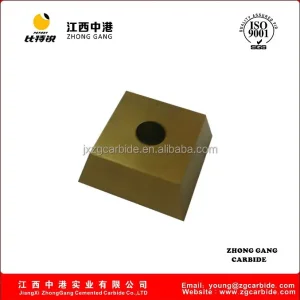 Wholesale tungsten carbide scarfing insert SQ8615WCB Supplier, FactoryView Specifications
-
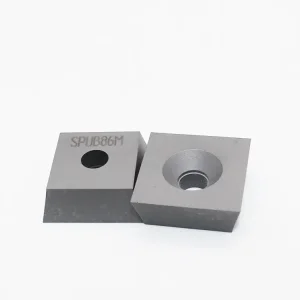 China 2020 Tungsten carbide whole seller Tungsten carbide square thread inserts tools Factory, FactoriesView Specifications
-
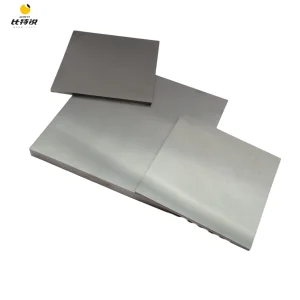 Wholesale Premium Tungsten Carbide Sheet for Stamping Dies Durable P30 Alloy Model 200x200x10mm Manufacturers, SuppliersView Specifications
-
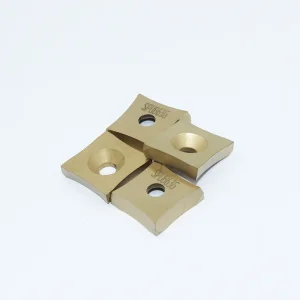 Buy Wear resistant technical round tungsten lathe carbide inserts knife blade Manufacturers, SupplierView Specifications
-
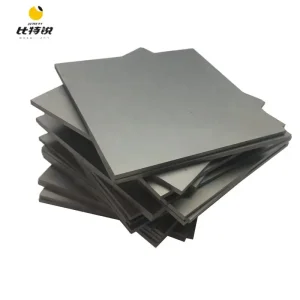 China OEM Customizable HIP Processed Square Tungsten Carbide Plate, Polished Flat Blank for Industrial Cutting Tools Manufacturer, FactoriesView Specifications
-
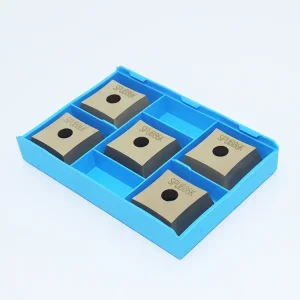 China Best price SPUB86K CVD coating tungsten carbide lathe cutting tool insert Manufacturer, ManufacturersView Specifications
-
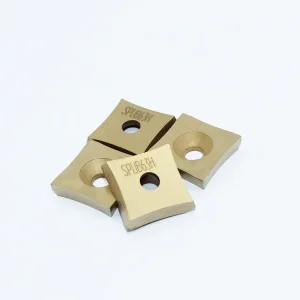 Buy Wholesale woodworking blades tungsten carbide insert milling inserts inconel Manufacturers, SuppliersView Specifications
-
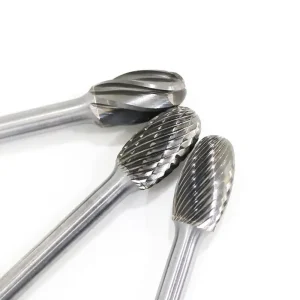 Wholesale Oval cutting tool tungsten carbide rotary file shank diameter Factory, FactoriesView Specifications