

Precision Engineering Solutions
Core Tungsten Carbide Tooling Solutions for San Francisco OEM Applications
Engineered cold heading molds, pipe conditioning inserts, and precision jaws manufactured under sub-micron metallurgical control for West Coast tech fabricators.

Bay Area Structural Alloy Tube Scarfing Insert SQ8615WCB

Industrial Welded Tube Conditioning Scarfing Inserts SQ8615WCB

Silicon Valley CNC Clamping Systems: CVD Coated Custom Carbide Jaw Inserts
Regional Industrial Analysis
The San Francisco Bay Area & Silicon Valley Industrial Landscape
Analyzing high-stress micro-manufacturing, cleanroom stamping, and hardware development cycles demanding next-generation tungsten carbide tooling.
Advanced Semiconductor Tooling
The San Francisco Peninsula and South Bay harbor the premier semiconductor packaging clusters. Our sub-micron cemented carbide dies deliver Ra ≤ 0.05 μm mirror finishes, preventing galling during high-frequency IC lead frame punching and micro-BGA copper wire drawing operations.
Electric Vehicle & Renewable Hardware
With major R&D hubs across Fremont and Silicon Valley, next-generation EV powertrain manufacturing requires extreme impact dies. Our YG15 and YG20 grades withstand mechanical shock exceeding 2,800 MPa during battery terminal cold extrusion and high-speed motor core lamination.
Biomedical Micro-Forming
San Francisco and North Bay medical device manufacturers demand biocompatible tooling blanks. We provide non-magnetic, nickel-bonded carbide grades (WC-Ni) optimized for wire EDM cutting, eliminating cobalt leaching concerns while manufacturing cardiovascular stents and surgical needles.
Supply Chain Excellence
Why San Francisco Engineering Teams Partner with Chinese Carbide Factories
Combining the world's most concentrated tungsten metallurgical resources with deep micron-precision EDM processing and rapid prototype-to-volume delivery.
Raw Material Purity & Control
Located in Jiangxi Province—the world's tungsten mining epicentre—we utilize 100% virgin ammonium paratungstate (APT). Controlling powder synthesis, doping (TaC, NbC, VC), and binder uniformity eliminates structural voiding under 60 bar Overpressure Sintering (Sinter-HIP).
Agile Prototype Iterations
Hardware incubators across San Francisco and Berkeley need 7 to 10-day turnarounds for custom cold heading and progressive stamping dies. Our internal tooling shop features multi-axis wire-cut EDM, profile optical grinders, and 3D CMM inspection to ensure total geometric accuracy.
Total Cost of Ownership (TCO)
By bypassing third-party trading intermediaries, Bay Area procurement directors achieve 30% to 55% direct component savings, along with a 3x to 5x increase in operational mold lifespan through grade customization tailored to abrasive sheet metal materials.
-
24+Years In Carbide Tooling
-
±0.002 mmPrecision Tolerance
-
60 BarSinter-HIP Porosity Control
-
< 8 HoursSan Francisco Direct SLA
Material Engineering Data
Metallurgical Grade Matrix for High-Stress Tool & Die Applications
Shortlist optimal WC-Co / WC-Ni alloy combinations before submitting CAD models and dimensional RFQs.
| Alloy Grade | Binder % | Grain Size (μm) | Hardness (HRA) | TRS (MPa) | San Francisco Regional Use Case |
|---|---|---|---|---|---|
| ZF-YG6X | 6.0% Co | 0.8 (Sub-micron) | 91.5 – 92.5 | 2,200 | Precision Slitting Silicon steel sheet punching & micro wire dies |
| ZF-YG8 | 8.0% Co | 1.2 (Fine) | 89.5 – 90.5 | 2,600 | Tool Inserts Brazed cutting tips, structural pipe scarfing cutters |
| ZF-YG15 | 15.0% Co | 1.8 (Medium) | 86.5 – 87.5 | 3,100 | Cold Heading Medium-load fastener forming dies, rivet punches |
| ZF-YG20C | 20.0% Co | 2.4 (Coarse) | 82.5 – 84.0 | 3,400 | Heavy Impact EV battery terminal cold forging, high-stress stamping |
| ZF-NM10 (Ni) | 10.0% Ni | 1.0 (Non-magnetic) | 88.0 – 89.5 | 2,400 | Cleanroom & Bio Medical catheter forming, sensor magnetic shielding dies |
Strategic Procurement Guide
Global Enterprise Sourcing: Navigating The Modern Tooling Supply Chain
Key quality milestones and material integrity standards every Bay Area mechanical engineer must verify when importing tungsten carbide.
Strict Microstructure Qualification
Surface hardness figures can obscure internal metallurgical flaws. Global procurement leaders require ISO 4499 compliant metallographic testing. Our factory verifies the absolute absence of uncombined carbon (η-phase) and excessive porosity (A02, B02 max), protecting high-value progressive dies from premature fatigue cracking under 1,000+ strokes/minute operating pressures.
EDM-Ready Sinter-HIP Blanks
Wire EDM processing introduces significant thermal stresses that can lead to micro-cracking in substandard carbide. We utilize specialized low-stress vacuum annealing and fine-grained sintering formulations engineered specifically for deep-cavity EDM tooling, preventing micro-chipping during finishing passes.
Catalog Portfolio
Expanded Tungsten Carbide Mold, Insert & Stamping Plate Collection
Comprehensive wear blanks, EDM die blocks, thread cutting inserts, and custom milling tools exported directly to San Francisco industrial accounts.
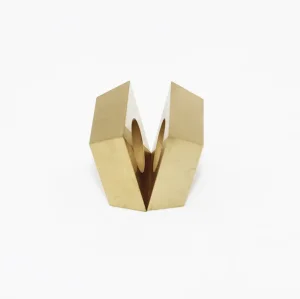
Hard Alloy Blade Square Carbide Cutting Inserts for Metal Processing

SPUB63 Tungsten Indexable Carbide Brazing Inserts Woodworking Tools

Customized Planetary Ball Milling Jar & Tungsten Carbide Mortar

SPUB86C P40 Uncoated Blank Cemented Tools Carbide Inserts

Tungsten Carbide Precision Square Thread Inserts Tools

Customized Tungsten Carbide Insert for Crushing Roll Wear Parts

Tungsten Carbide Plate 100×100×60 mm – Thick Block Stock for EDM

Premium Tungsten Carbide Sheet for Stamping Dies Durable P30 Alloy
Direct Technical Answers
Frequently Asked Questions: Sourcing Tungsten Carbide Molds for the San Francisco Market
Addressing common queries on lead times, EDM machinability, logistics to Bay Area ports, and custom metallurgical certifications.
What are standard delivery transit times from your factory to the San Francisco Bay Area?
For urgent prototypes and small batch tooling runs, air freight through SFO (San Francisco International Airport) takes 3 to 5 business days via DHL/FedEx/UPS priority services. For bulk volume shipments of heavy EDM carbide blocks and cold heading molds, ocean freight to the Port of Oakland typically takes 14 to 18 days, with complete customs clearance documentation provided.
How do you ensure tungsten carbide blocks do not crack during Wire EDM cutting?
Premature EDM cracking is primarily caused by internal thermal stresses from non-uniform sintering and excessive cobalt leaching. We process all die blocks through 60-bar pressure Sinter-HIP furnaces to eliminate internal voiding, followed by extended vacuum stress-relief annealing. Our specialized fine-grain grades feature uniform binder distribution that prevents stress-concentration fractures during EDM roughing and finishing passes.
Can you manufacture non-standard carbide tooling matching proprietary CAD files (STEP/IGES/DXF)?
Yes. Custom tooling based on customer drawings is our core specialty. Our engineering facility operates high-precision optical profile grinders, CNC wire EDM, and multi-axis CNC surface grinding centers capable of achieving tolerances down to ±0.002 mm (±0.00008 in) and surface finishes to Ra 0.05 μm based directly on your 2D and 3D CAD geometries.
Which carbide grade is best for high-volume electrical connector stamping?
For stamping phosphor bronze, beryllium copper, or stainless steel micro-terminals, we recommend our sub-micron ZF-YG6X or fine-grain ZF-YG8. These grades combine exceptional wear resistance (90.5–92.0 HRA) with the toughness needed to resist edge chipping under continuous 800+ strokes-per-minute cycle rates.
What metallurgical documentation and QC certificates accompany shipments?
Every shipment includes an authoritative Certificate of Analysis (COA) that verifies chemical composition, density, hardness (HRA), transverse rupture strength (TRS), and metallographic microstructure images documenting the absence of uncombined carbon (η-phase) and micro-porosity levels.