
Precision Engineered Sintered Tungsten Carbide Components
Direct from our 5,000 m² ISO-certified manufacturing facility: Engineered utilizing pristine virgin refractory carbide formulations and pure reclaimed tungsten feeds.
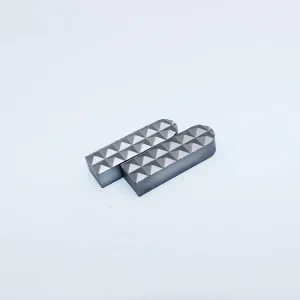
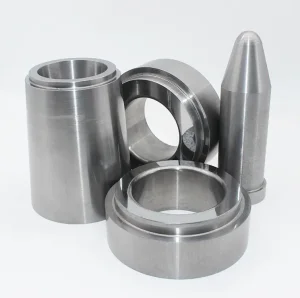
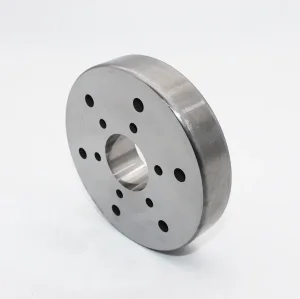
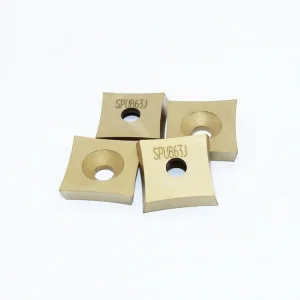
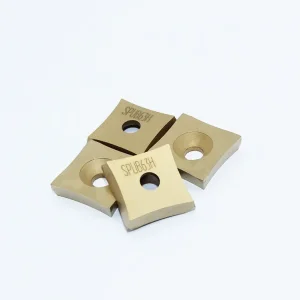
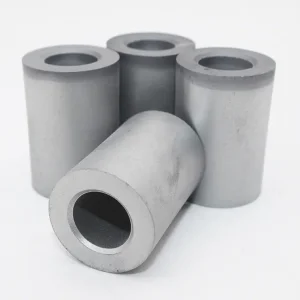
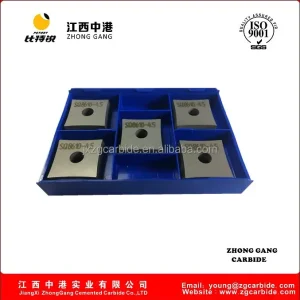
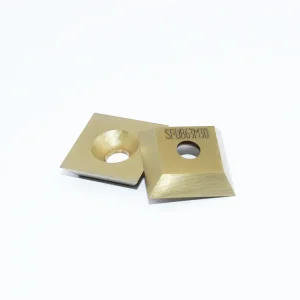
Global Commercial & Industrial Status of the Wholesale Tungsten Scrap Market
The worldwide secondary tungsten marketplace is experiencing unprecedented structural shifts. Traditionally driven solely by virgin wolframite and scheelite mining concentrated predominantly across specific geopolitical territories, modern manufacturing ecosystems now treat high-purity scrap—often designated as secondary tungsten carbide or wolfram scrap—as a sovereign strategic buffer. Recycled feedstock contributes approximately 30% to 35% of total annual worldwide tungsten consumption. In specialized industrial economies across North America, the European Union, Japan, and South Korea, closed-loop reclamation yields exceed 50% for hard metal cutting tools.
The pricing architecture governing wholesale tungsten scrap is intimately synchronized with benchmark quotations for Ammonium Paratungstate (APT)—the pivotal precursor chemical traded via key terminal exchanges including European Fastmarkets Rotterdam, Argus Media, and the Asian Metal index. When primary APT index prices fluctuate, wholesale scrap purchases adjust dynamically based on net contained tungsten units (W content, typically ranging between 70% and 94% depending on grade classification), cobalt binder subtraction penalties, physical contamination metrics, and the baseline cost of hydrometallurgical or thermochemical conversion.
Underlying Valuation Mechanisms Shaping Wholesale Scrap Quotes
Procurement teams and scrap suppliers evaluate tungsten scrap lots under distinct grading taxonomies. Industrial scrap is divided categorically into solid hard scrap (spent indexable inserts, solid carbide end mills, wear tiles, dies, and mining buttons) and soft/sludge scrap (grinding swarf, filter cake, and chemical precipitants). Solid tungsten scrap commands the apex of market valuations because of its predictable metallurgical purity and lower processing loss during the zinc recovery process or chemical hydrometallurgical digestion.
APT Benchmark Parity
Scrap pricing is directly pegged to Rotterdam and Chinese domestic 88.5% APT quotations, factored by assay yield formulas.
- Dynamic real-time index adjustments
- Contained W metric-ton-unit (mtu) base
- Energy surcharges in refining
Chemical Purity & Cobalt
Standard cemented carbides feature 6% to 20% cobalt or nickel matrices. Higher cobalt scrap warrants dedicated extraction pathways.
- Spectroscopic XRF validation
- Minimal Ta, Nb, Ti dilution penalty
- Moisture & oil limits on grinding swarf
Energy Conversion Ratios
Refining scrap through zinc reclamation consumes up to 75% less primary electrical energy than breaking down mined wolframite concentrate.
- Zinc reclaim: preserving grain size
- Chemical digest: high-purity APT
- Lower Scope 1 & Scope 2 emissions
ESG & Conflict-Free Sourcing
Secondary tungsten completely eliminates Dodd-Frank Act Title XV conflict-mineral audits associated with artisanal mine sites.
- 100% auditable provenance
- ISO 14001 certified environmental chain
- Fulfills corporate ESG mandates
Tungsten Scrap Grading, W Purity & Industrial Processing Route Matrix
An engineer's guide to classifying secondary tungsten feedstocks, yield efficiencies, and final industrial applications.
| Scrap Category | Physical State | Contained W (%) | Typical Matrix Binder | Primary Reclamation Process | Target Output Grade |
|---|---|---|---|---|---|
| Solid CNC Inserts & Endmills | Indexable cutting tips, solid rods | 88% – 94% | 6% – 10% Co (± TiC, TaC) | Zinc Reclaim / Chemical | Re-sintered YG6 / YG8 Tool Blanks |
| Mining & Road Milling Tips | Rock drill buttons, tamping tines | 85% – 91% | 8% – 15% Co | Zinc Sublimation / Hydrometallurgy | Mining Buttons, Crushing Rolls |
| Heavy Alloy Components | Ballast weights, radiation shields | 90% – 97% | Fe-Ni or Cu-Ni binder | Direct Chemical Digestion to APT | High-Purity APT, Tungsten Wire |
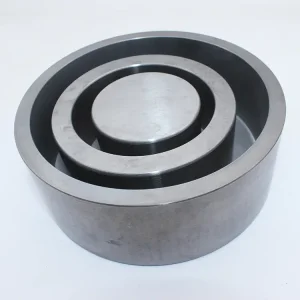
| Drawing Dies & Cold Heading Molds | Large annular rings, core punches | 80% – 86% | 14% – 20% Co | Mechanical Separation + Zinc Process | Impact-Resistant YG15 / YG20 Dies |
| Grinding Swarf & Sludge | Fine wet particulate from CNC tools | 65% – 78% | Mixed Coolant, Co, SiC/Diamond | Roasting & Alkaline Hydrometallurgy | Chemical-Grade Sodium Tungstate / APT |
From Spent Carbide Scrap to Sub-Micron Sintered Performance
Modern reclamation is not downcycling; it is an atomic-level restoration of high-performance tungsten alloys.
Automated XRF Sorting
Optical and X-ray fluorescence sorting segregates clean WC-Co from complex mixed carbides (TiC/TaC) and braze-contaminated assemblies.
Thermochemical Digestion
Zinc process recovery reacts molten zinc with cobalt binder to expand the matrix, leaving spongy WC powder, or full alkaline roasting transforms scrap into high-purity APT.
Controlled Carburization
Pure tungsten oxide is reduced via pure hydrogen furnaces, followed by high-temperature carbon addition to lock in exact stoichiometrical WC carbon balance (6.13% C).
Sinter-HIP Densification
Near-zero porosity densification in 100-bar Sinter-HIP autoclaves at 1450°C ensures mechanical fracture toughness parity with virgin-ore parts.
Strategic Solutions for OEM Procurement & Enterprise Scrap Programs
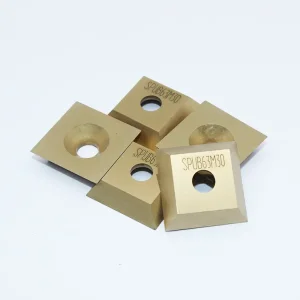
For large-scale machine shops, automotive tier-1 suppliers, and aerospace fabricators, scrap tungsten disposal is no longer merely a surplus revenue stream—it is an integral component of their raw material hedging strategy. Partnering with a vertically integrated tungsten carbide manufacturer like Jiangxi Zhongfu Cemented Carbide Co., Ltd. closes the economic loop. By trading back worn inserts, tube scarfing blades, and drilling compacts, buyers can establish a toll-processing or buy-back credit offset against fresh tooling blanks, effectively capping production costs against sudden surges in global primary wolfram prices.
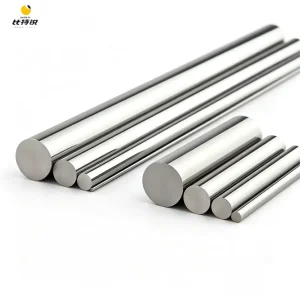
At Jiangxi Zhongfu's 5,000+ m² modern facility located in Nanchang, Jiangxi—the epicenter of China's refractory metal reserve corridor—we balance 24+ years of powder metallurgy expertise with stringent incoming purity verification. While catalog-only scrap brokers speculate on lot-based market price margins, our engineering teams convert verified tungsten feedstocks into precision-ground h6 round rods, high-impact cold heading dies, wear-resistant carbide plates, and specialized scarfing inserts exported to over 20 nations across the globe.
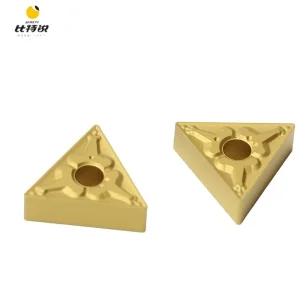
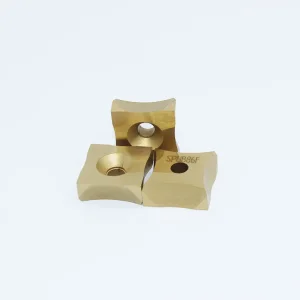
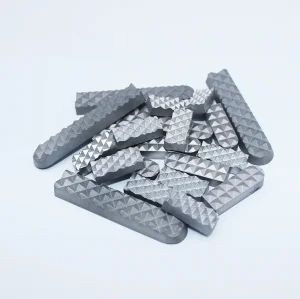
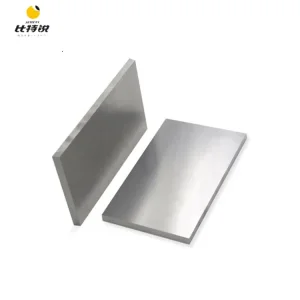
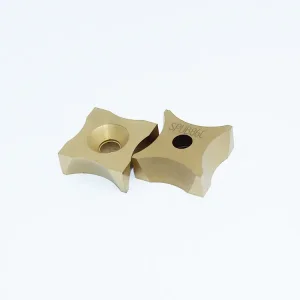
Ultra-Wear Resistant Tungsten Carbide Plates, Tooling & Inserts
Complementary precision products engineered to rigorous ASTM and ISO tolerances for heavy-duty metal removal, rock drilling, and wear protection.
Frequently Asked Questions: Wholesale Tungsten Scrap Price & Sourcing
Clear, unhedged metallurgical clarity for purchasing managers, scrap recyclers, and plant engineers.