
Engineered Tungsten Carbide Molds for Sidon Applications
Direct from our specialized sinter-HIP manufacturing facility, these ultra-wear tooling systems are customized to withstand the demanding mechanical stress, thermal shocks, and continuous duty cycles required by industrial operators serving the Sidon maritime and light assembly clusters.
-
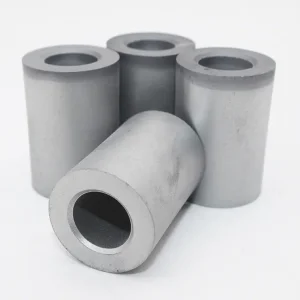 Customized Tungsten Carbide Cold Heading Molds, Punch Dies & Wire Drawing Dies for Sidon ManufacturingView Engineering Specs
-
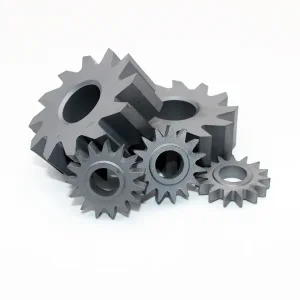 Heavy-Duty Tungsten Carbide Steel Cutters & Concrete Scarifier Blades for Sidon Construction ProjectsView Engineering Specs
-
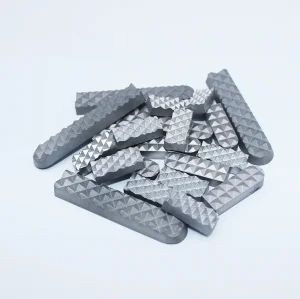 Cemented Tungsten Carbide Gripper Inserts & Wear Tips for Deep Drilling & Quarrying in SidonView Engineering Specs
-
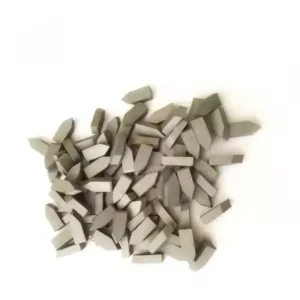 Customized Cemented Carbide Welding Tips for Turning & Milling Tools Serving Sidon Machine ToolingView Engineering Specs
Industrial Transition & High-Tolerance Mold Demand in Sidon
Sidon (Saida), historically a critical maritime trade conduit in South Lebanon, is progressively upgrading its mechanical production workshops, agro-processing facilities, coastal infrastructure projects, and metal-forming operations. To maintain cost efficiency and eliminate catastrophic production stoppages, local manufacturers are shifting from conventional alloy tool steels toward precision tungsten carbide mold inserts and wear assemblies.
Infrastructure & Port Fabrication
Sidon's coastal port logistics, marine transport repairs, and civil rebuilding initiatives demand specialized tooling capable of operating in corrosive, salt-laden atmospheres. Cemented carbide dies and scarifier cutters provide the abrasion and fatigue resistance required for continuous, heavy-load site preparation and steel refabrication.
Cold Heading & Fastener Forming
Local assembly plants and regional hardware distributors rely on wire drawing and cold-heading mold inserts. Switching from D2 or Cr12MoV tool steel to micro-grain tungsten carbide (YG15 to YG20 grades) increases mold life by over 300%, maintaining tighter fastener dimensional consistency with negligible die galling.
Agro-Processing & Light Machinery
The agricultural hinterland surrounding Sidon depends heavily on food packaging, olive oil processing, and chemical container manufacturing. Tungsten carbide punches, trimming dies, and non-magnetic stainless-forming molds protect automated packaging lines from abrasive premature failure.
Metallurgical Engineering of Tungsten Carbide Molds for High-Stress Tooling
Tungsten carbide (WC-Co) molds are not generic commodities; their service longevity is dictated by precise grain sizing, binder volumetric distribution, and HIP (Hot Isostatic Pressing) sintering cycle parameters. Below is our engineering benchmark for specifying mold grades tailored to diverse operational modes.
| Carbide Grade | Cobalt Binder (Co %) | Grain Size Class (µm) | Density (g/cm³) | Hardness (HRA) | Transverse Rupture Strength (TRS MPa) | Primary Mold Application Area |
|---|---|---|---|---|---|---|
| YG8C | 8.0% | 1.8 – 2.6 (Medium-Coarse) | 14.65 – 14.85 | 88.5 – 89.5 | ≥ 2600 | Light impact blanking dies, heavy-gauge wire drawing dies |
| YG11C | 11.0% | 2.2 – 3.0 (Coarse) | 14.30 – 14.50 | 87.0 – 88.0 | ≥ 2900 | Cold heading punches, medium bolt-forming dies |
| YG15 | 15.0% | 1.4 – 2.0 (Medium) | 13.95 – 14.15 | 86.5 – 87.5 | ≥ 3100 | Progressive stamping dies, cold forging inserts for high stress |
| YG20C | 20.0% | 2.4 – 3.4 (Extra Coarse) | 13.45 – 13.70 | 84.5 – 86.0 | ≥ 3400 | Heavy-impact cold heading, nut-forming dies, severe shock tooling |
| NM-12 (Nickel Binder) | 12.0% (Ni/Cr) | 1.0 – 1.6 (Sub-Micron) | 14.20 – 14.40 | 88.0 – 89.2 | ≥ 2500 | Non-magnetic forming molds, corrosive coastal chemical processing |
Need a Tailored Mold Formulation for Your Facility in Sidon?
Our materials science engineers analyze your working load, stamping velocity, and strip material specifications to suggest or customize the ideal cemented carbide powder blend within 8 hours.
Navigating Supply Chain Dynamics for Industrial Procurement in Sidon
International industrial buyers and tooling contractors serving the Lebanese market face logistical hurdles including fluctuating maritime freight schedules, currency controls, and variable material availability. As a primary manufacturer based in Jiangxi—the world hub of raw tungsten reserves—we provide structural stability to your supply chain.
100% Virgin APT Raw Material
Unlike regional traders who utilize scrap-derived sintered carbide re-grinds leading to internal micro-voids, our molds use exclusively 100% virgin Ammonium Paratungstate (APT). This guarantees zero crack propagation under cyclical mechanical shock in progressive stamping dies.
Export Compliance & Traceability
Every shipment directed to Sidon or regional sea distribution ports is accompanied by comprehensive CoAs (Certificates of Analysis), ultrasonic non-destructive testing reports, and metallographic micrographs confirming precise WC grain dispersal.
Reliable Mediterranean Freight Corridors
We work with international logistics providers managing CIF, FOB, or DAP shipments into Beirut and Sidon maritime anchorages, providing protective vacuum-sealed anti-corrosion packaging to preserve micro-ground mirror finishes (Ra ≤ 0.05µm) across long sea transits.
From Sub-Micron Powder to Micro-Finished Die: Our Manufacturing Workflow
Quality assurance for high-volume forming dies is achieved by managing every production variable in-house. Below is our four-stage precision fabrication roadmap designed to ensure that each mold sent to Sidon achieves exact geometric tolerance.
Wet Ball Milling & Spray Drying
Pure tungsten and cobalt powders undergo precision planetary ball milling with organic solvent additions for up to 48 hours to ensure grain deagglomeration, followed by inert gas spray drying to produce free-flowing spherical granules.
Isostatic Pressing & Pre-Shaping
Advanced multi-axis CNC dry pressing and Cold Isostatic Pressing (CIP at 200 MPa) produce high green-density compacts, allowing green-state machining of complex mold cooling channels, core pins, and internal draft angles.
Sinter-HIP Overpressure Consolidation
Compacts are sintered under 10 MPa (100 bar) argon overpressure at 1450°C. This Hot Isostatic Pressing cycle eliminates all residual micro-voids, increasing density to near-theoretical levels (99.98%) for flaw-free EDM wire cutting.
Diamond Grinding & Mirror Lapping
CNC optical profile grinders and high-precision cylindrical grinders finish diameters to ±0.002 mm. Specialized diamond slurry hand-lapping polishes functional extrusion cavities to an ultra-smooth Ra 0.05 µm surface finish.
Frequently Asked Questions: Sourcing Tungsten Carbide Molds in Sidon
Get direct answers from our engineering desk regarding CAD drawings, grade optimization, customs clearance, and lead times for delivery into Sidon and Lebanon.
Full-Spectrum Cemented Carbide Inserts, Rods & Precision Wear Components Serving Sidon
Explore our broader industrial tooling catalog—featuring CNC turning inserts, micro-grain endmill blanks, bar peeling cutters, and custom metallurgical wear components configured for harsh manufacturing workflows.
-
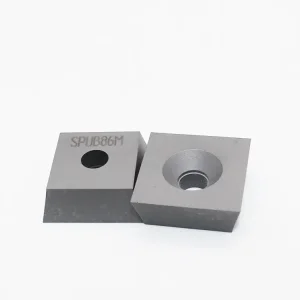 Factory-Direct Tungsten Carbide Turning Inserts for High-Speed CNC Lathes Serving Sidon WorkshopsView Engineering Specs
-
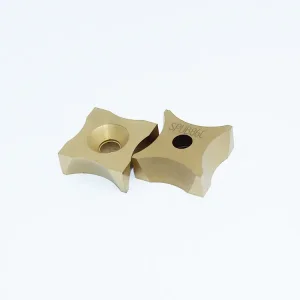 SPUB86C Customized Lathe Tungsten Carbide Inserts & Drill Bit Tips Serving Sidon IndustryView Engineering Specs
-
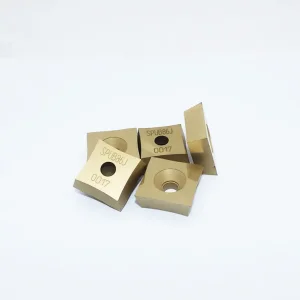 SPUB86J CVD-Coated Woodworking Tungsten Carbide Button Inserts for Furniture Producers in SidonView Engineering Specs
-
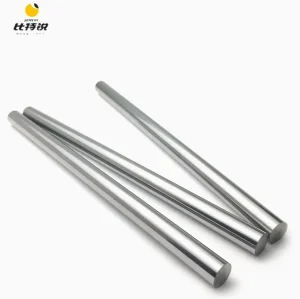 Ø8 × 330 mm Nano Grain Tungsten Carbide Rods for Micro-Endmills Serving Sidon CNC ToolmakersView Engineering Specs
-
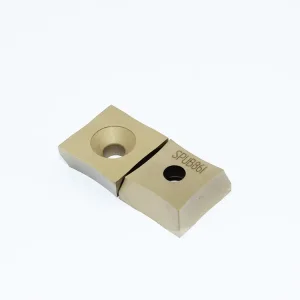 SPUB86I Cemented Carbide Cutting Inserts for Steel Bar Peeling & Lathe Work in Sidon MillsView Engineering Specs
-
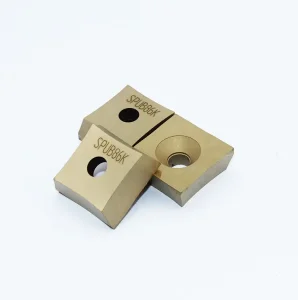 SPUB86 CVD-Coated Radius Tungsten Carbide Brazed Tips for Heavy Roughing Tools in SidonView Engineering Specs
-
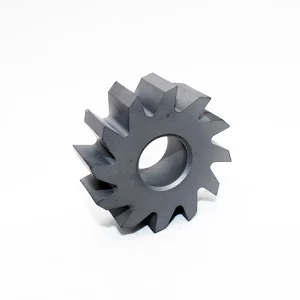 Custom Nonstandard Metal Worm & Bevel Pinion Gear Assemblies for Industrial Drives in SidonView Engineering Specs
-
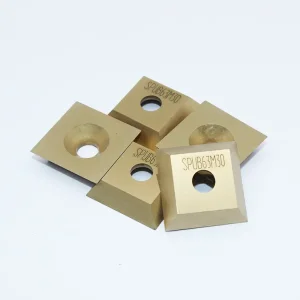 Tungsten Carbide Square Original Heavy Cutting Inserts for Industrial Milling Serving SidonView Engineering Specs
Optimize Your Tooling Life Cycle Today
Eliminate premature wear, reduce costly downtime, and upgrade your forming accuracy with our vacuum Sinter-HIP tungsten carbide molds and custom-engineered wear parts. Our technical engineering group is standing by to inspect your 2D/3D component drawings.