
Precision Fastener & Scarfing Tooling for Slovak Manufacturing
Engineered cold heading punches, scarfing inserts, and high-precision tooling engineered to meet Volkswagen Bratislava, Kia Žilina, and PSA Trnava automotive supply chain requirements.
-

Buy Customized Tungsten Carbide Cold Heading molds/punch dies/wire drawing dies for Slovakia Assembly Lines
-
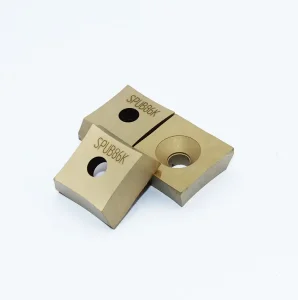
Wholesale Carbide Scarfing Inserts SPUB86B/86C/86D/86E/86F/86G/86H/86K/86M for Košice Steel Rolling Works
-
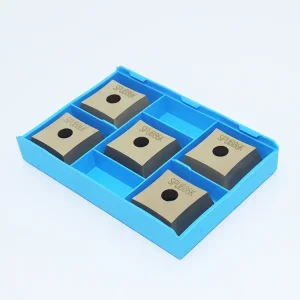
High Durability SPUB86K CVD Coating Tungsten Carbide Lathe Cutting Tool Insert for Heavy Duty Milling
-
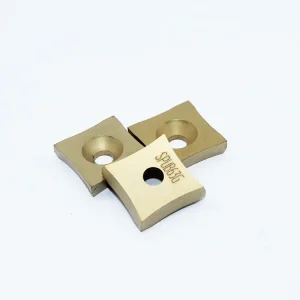
Wear Resistant SPUB 63G Customized Imported Carbide Threading Inserts for Central European Fastener Fabrication
Macro-Industrial Dynamics: Cemented Carbide Molds in Slovakia
A comprehensive examination of tooling consumption, supply chain localization, and technical grade engineering inside the Slovak Republic.
Slovakia: The Automotive Production Heart of Europe
The Slovak Republic maintains the highest per capita passenger vehicle production in the world, with major assembly operations operated by Volkswagen in Bratislava, Stellantis in Trnava, Kia Motors in Žilina, Jaguar Land Rover in Nitra, and the incoming Volvo electric vehicle plant near Valaliky. This industrial concentration has created an unprecedented demand for tier-1 cold metal forming, progressive stamping dies, and wire drawing tooling that strictly outperform conventional tool steels (like D2 or M2).
In high-speed production environments where stamping lines operate at upwards of 600 cycles per minute, tool steel punches experience galling, adhesive micro-welding, and dimensional deformation after 80,000–120,000 cycles. Replacing these critical components with Sub-Micron Tungsten Carbide (WC-Co) Molds pushes operational longevity beyond 2,500,000 continuous cycles, lowering machine setup downtime and scrap ratios to meet strict European automotive audits (IATF 16949).
Automotive Stamping & Header Tooling
Slovakia's dense tier-1 supplier base requires cold-heading punches, extrusion pins, and hex dies that endure cycling compressive stresses in excess of 3,200 MPa when cold-forging grade 10.9 and 12.9 alloy chassis fasteners.
Heavy Metallurgical Conditioning
Eastern Slovakia's steel industry hub (around Košice) depends heavily on durable tungsten carbide scarfing inserts (SPUB and SNMX families) to remove surface oxidation and mill scale on continuous casting billets under extreme thermal shocks.
Electrical & Stator Stamping Dies
With Slovakia actively expanding EV drivetrain manufacturing, progressive lamination dies made from fine-grained micro-porosity-free carbide grades ensure burr-free punching of 0.20 mm electrical silicon steels.
Global Engineering Trends & Sinter-HIP Technological Roadmap
Transitioning from standard vacuum sintering to Overpressure Sinter-HIP at 100 bar for uncompromised transverse rupture strength.
Eliminating Micro-Pores via Hot Isostatic Pressing
In mold cavities subject to cyclic hydraulic loading or intense impact, conventional vacuum sintering leaves minute micro-porosity (A02–B02 standard). Under Slovak automotive high-volume stamping setups, these internal micro-voids act as high-stress concentration nodes, precipitating fatigue micro-cracking and eventual catastrophic spalling.
Our direct export route leverages Sinter-HIP (Hot Isostatic Pressing) technology, introducing high-purity argon gas at 60 to 100 bar pressure during the liquid phase sintering cycle (1,400°C–1,450°C). This forces any residual internal voids to collapse, achieving metallurgical density above 99.98% of theoretical limits, drastically enhancing the transverse rupture strength (TRS) and tool reliability.
Complete Tungsten Carbide Inventory & Custom Tooling Catalog
Engineered to drawing: wear plates, turning inserts, peeling tools, tamping tine inserts, and precision ground solid carbide rods for European machining workshops.
-

China SPUB63J CVD Coating Tungsten Carbide OD Scarfing Insert for Steel Tube Production Lines in Slovakia
-

China Wholesale SPUB-63 Series Carbide Wood Milling Insert for Slovak Timber and Forestry Processing Plants
-

Buy New Shape Tungsten Carbide Tamping Tine Tools for Slovakia Railway Infrastructure & Ballast Maintenance
-

Buy Wholesale SPUB63 Tungsten Carbide Insert Tools for Lathe Turning Operations Across Central Europe
-

CNC Carbide Turning Tool Internal Tungsten Steel Cutting Insert Scraping Blade for Steel Workpiece Lathes
-

High-Quality Tungsten Carbide Rods h6 Ground for Precision CNC Drilling and End Mill Fabrication in Slovakia
-

Customized Tungsten Carbide Insert for High-Impact Wear Parts and Crushing Roll Sleeves for Slovak Aggregates
-
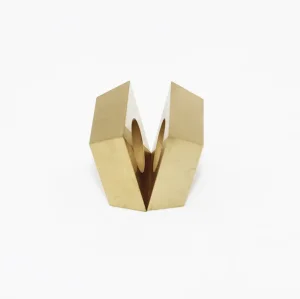
Wholesale Carbide Hard Alloy Square Cutting Inserts for Heavy Structural Steel Machining and Tooling
Frequently Asked Questions for Slovakia Industrial Buyers
Key metallurgical and logistics inquiries from procurement teams and tool designers across Slovakia and the EU.
Which tungsten carbide grade is recommended for automotive cold-heading molds in Slovakia?
How does our factory ensure dimensional compliance with European tooling standards?
What are the transit times and customs protocols for shipments delivered to Slovakia?
Can customized carbide mold inserts be manufactured directly from 3D CAD step files?
How does Sinter-HIP carbide improve the wear performance of progressive stamping dies?
Request Technical Consultation & Factory-Direct Quotation
Send your drawings, required tolerances, and working condition profiles. Our metallurgical engineers will deliver an optimized grade selection and pricing package within 8 business hours.
Send Inquiry Now