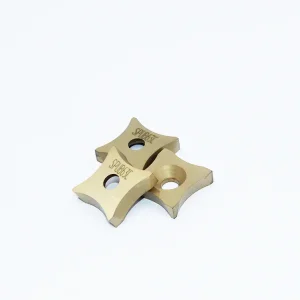
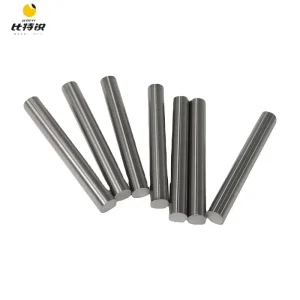
Primary Solutions
High-Performance Precision Alloys (Top Industrial Selections)
Direct factory supply of high-purity cemented tungsten carbide bars, plates, nozzles, and inserts optimized for extreme thermal, corrosive, and abrasive environments.
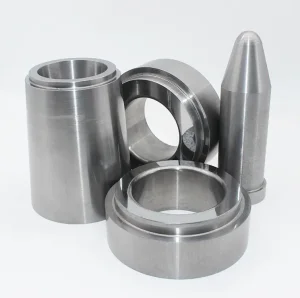
Customized Tungsten Cemented Carbide Hardware Parts Water Jet Nozzle Seat Valve
View Specifications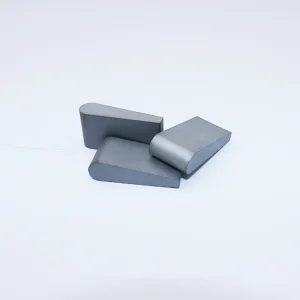
New Shape Tungsten Carbide Tamping Tines for Railway Ballast Consolidation
View Specifications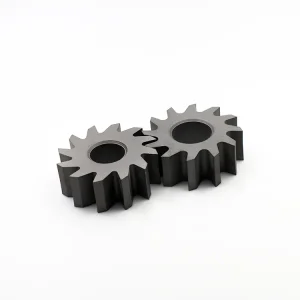
High-Precision Straight-Toothed Steel Small Pinion Gears for High-Torque Drives
View Specifications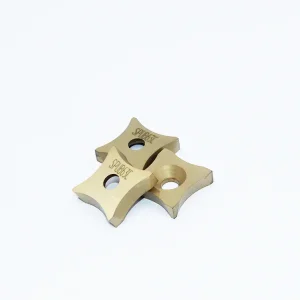
SPUB-63C Tungsten Scrap Brake Lathe Carbide Cutting Inserts Tools
View Specifications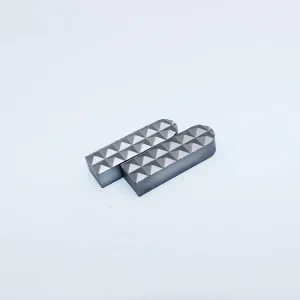
YG8 Standard Tungsten Carbide Torque Gripper Inserts for Chuck Jaws
View Specifications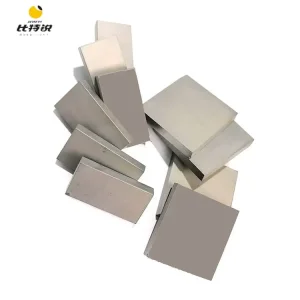
Tungsten Carbide Plate HIP-Sintered Wear-Resistant Flat Blanks in YG6–YG20 Grades
View Specifications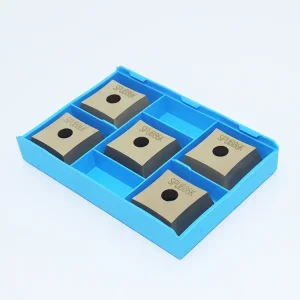
SPUB86K CVD Coating Tungsten Carbide Lathe Cutting Tool Insert
View Specifications
Taxonomy & Classification
Taxonomy of Engineering Alloys: Material Matrices & Chemical Binders
A systematic breakdown of major alloy categories engineered to resolve mechanical friction, extreme heat, magnetic interference, and cyclic fatigue across mission-critical systems.
Tungsten Cemented Carbides (WC-Co)
Composed of refractory tungsten carbide embedded in a ductile metallic cobalt matrix. Sinter-HIP processing eliminates internal porosity, maximizing hardness (up to 92.5 HRA) and compressive strength for high-impact drilling and severe metal cutting.
Non-Magnetic Nickel Alloys (WC-Ni)
By substituting ferromagnetic cobalt with an engineered nickel-based binder matrix, these specialized alloys eliminate electromagnetic distortion. Indispensable for MWD/LWD directional drilling tools, magnetic media processing, and high-salinity marine environments.
Alloy Steels & Structural Metallics
Micro-alloyed structural steels treated with chromium, molybdenum, and vanadium to establish optimal tensile yields, cyclic fracture toughness, and surface-hardening adaptability for precision pinion gears, heavy drive shafts, and high-frequency scarfing equipment.
Ultrafine & Nano-Grain Alloys
Engineered with mean WC grain sizes below 0.4 microns. These materials bypass classic hardness-versus-toughness compromises, delivering extreme edge stability for solid micro-drills, high-speed end mills, and precision aerospace routing cutters.
Industrial Procurement White Paper
Global Sourcing Strategies, Macro Trends & Engineering Realities
In modern industrial procurement, selecting the right alloy supplier is no longer a transactional exercise driven solely by per-kilogram pricing. Global original equipment manufacturers (OEMs), Tier-1 automotive integrators, and infrastructure conglomerates operate within tightly calibrated production cycles where unexpected tool degradation, premature insert chipping, or micro-structural batch variance causes catastrophic cost multipliers. True cost of ownership (TCO) is dictated by uptime predictability, feed-rate optimization, and metallographic consistency.
Macro-Economic Industry Status & Supply Chain Geopolitics
The global trade architecture for advanced hard metals is undergoing structural realignments. Over 80% of primary mined tungsten concentrates originate from concentrated geological belts, primarily centered within China. Sourcing raw materials from direct, upstream integrated Chinese manufacturers—such as Jiangxi Zhongfu Cemented Carbide Co., Ltd., strategically seated within Nanchang's mineral corridor—provides overseas supply chains with indispensable security. By eliminating intermediaries and verifying that all sintered carbide is formulated from 100% virgin ammonium paratungstate (APT) powders rather than reclaimed scrap metal, global procurement managers protect their production assets from trace contamination, unpredictable internal micro-voids, and erratic thermal stress cracking.
Technological Roadmap & Metallurgy 4.0
The engineering landscape of hard materials is shifting rapidly toward microstructural optimization. Future material requirements prioritize three technical vectors:
1. Sinter-HIP Consolidation: Standard vacuum sintering leaves trace micro-porosity (A02/B02 levels) that acts as crack-initiation vectors under high-impact cyclic loads. The modern industry baseline requires High-Pressure Sinter-HIP processing (temperatures up to 1,450°C and isostatic argon pressures up to 60–100 bar), collapsing micro-cavities to achieve near-theoretical density (>99.98%).
2. Functionally Graded Binders: Modulating cobalt concentration across the material cross-section yields parts with an ultra-hard, wear-resistant outer casing coupled with a tough, cobalt-enriched core capable of absorbing extreme mechanical shock during downhole drilling or interrupted heavy milling.
3. Advanced CVD/PVD Multilayer Nanocoatings: Modern lathe cutting inserts, scarfing tools (SPUB/SNMX series), and high-wear components leverage nanostructured TiAlN, AlCrN, or Diamond-Like Carbon (DLC) films to form thermal barriers capable of handling dry high-speed machining environments in excess of 1,000°C.
International Compliance, Traceability & Localized Logistics
Industrial components must cross regulatory and trade thresholds with full audit transparency. We guarantee total compliance with critical international standards:
• Conflict Mineral Compliance: In full alignment with Section 1502 of the Dodd-Frank Act and EU Regulation 2017/821, all tungsten materials are verified conflict-free, originating strictly from verified smelting chains with total chain-of-custody documentation.
• Environmental Certifications: Complete conformance with EU RoHS Directive 2011/65/EU and REACH (EC 1907/2006), verifying zero unapproved hazardous substances across all standard and custom-molded parts.
• Technical Documentation & Inspection: Shipments are paired with comprehensive Mill Test Certificates (MTCs), including metallographic micrographs (porosity, free carbon, eta-phase verification), Rockwell hardness readouts (HRA), coercive force measurements, and dimensional CMM inspection reports.
Material Selection Guide
Engineering Grades & Mechanical Performance Benchmarks
Cross-reference mechanical metrics to align with specific impact, abrasive, and structural load requirements.
| Standard Grade | Binder Matrix | Density (g/cm³) | Hardness (HRA) | Transverse Rupture Strength (MPa) | Primary Industrial Application |
|---|---|---|---|---|---|
| YG6 (ISO K10-K20) | 6% Cobalt | 14.8 – 15.0 | 90.5 | ≥ 1,900 | Cast iron machining, precision wear plates, wire drawing dies. |
| YG8 (ISO K20-K30) | 8% Cobalt | 14.6 – 14.8 | 89.5 | ≥ 2,200 | Brazed cutting tips, geological rock drill bits, heavy shear tooling. |
| YG15 (ISO K40) | 15% Cobalt | 13.9 – 14.1 | 87.0 | ≥ 2,800 | Stamping dies, cold heading molds, high-stress punches. |
| YG20 (Heavy Impact) | 20% Cobalt | 13.4 – 13.6 | 85.5 | ≥ 3,100 | Severe impact forming dies, thick EDM blocks, crushing rolls. |
| Ni-Bonded (Non-Magnetic) | Nickel-Based Matrix | 14.5 – 14.9 | 88.0 – 90.0 | ≥ 2,100 | MWD/LWD oil tools, magnetic compacting dies, marine seal rings. |
Cross-Sector Applications
Enterprise Hard-Metal Engineering Across Strategic Sectors
Deploying specialized wear solutions across global heavy manufacturing, petrochemical extraction, and precision transportation networks.
Rail & Heavy Transit Systems
Railway ballast consolidation imposes high-cycle dynamic shock loads on track infrastructure tooling. Our engineered tungsten carbide tamping tines incorporate micro-crack resistant geometry and high-toughness WC grades, delivering up to 4.5 times the service life of standard hardfaced steel tines.
Subsea Petrochemical & Geothermal
Downhole Measurement While Drilling (MWD) tools require total non-interference with sensor arrays. Our nickel-bonded tungsten carbide parts combine non-magnetic performance (μr < 1.01) with erosion resistance against pressurized drilling mud and aggressive hydrogen sulfide.
Continuous Steel Pipe & Tube Scarfing
High-frequency longitudinal welded tube production demands uninterrupted external and internal weld bead removal. Our SPUB63, SPUB86, and SNMX scarfing inserts resist thermal shock, preventing edge spalling and unplanned line shutdowns.
Procurement & Technical FAQ
Frequently Addressed Strategic Sourcing Inquiries
Detailed insights from our metallurgists and export directors covering testing, manufacturing tolerances, and custom development.
Can you manufacture complex carbide wear components directly from engineering CAD models?
Yes. Custom fabrication to client engineering drawings represents over 65% of our operations. We ingest STEP, IGES, DXF, and DWG formats. Our technical review team evaluates dimensional tolerancing, draft angles, and surface finishing specifications, providing full Design for Manufacturability (DFM) feedback and formulation suggestions within 8 hours.
What is the structural operational difference between Cobalt (WC-Co) and Nickel (WC-Ni) bonded alloys?
Cobalt provides superior wettability during liquid-phase sintering, yielding higher transverse rupture strength (TRS) and edge-impact toughness for metal-cutting tooling. However, cobalt is ferromagnetic and susceptible to rapid acid corrosion. Nickel binders produce completely non-magnetic hard metals (μr < 1.01) with superior resistance to harsh organic acids, coastal chlorides, and sour petrochemical environments.
What microstructural quality controls prevent premature chipping and thermal stress fractures?
Every production batch undergoes 100% Sinter-HIP processing under argon pressures up to 100 bar, closing internal porosity. Prior to shipment, our metallurgical laboratory conducts metallographic microscope inspections (checking for uncombined carbon, excessive porosity, and detrimental eta-phase compounds), along with coercivity, saturation magnetization, and HRA hardness testing.
What dimensional precision and ground tolerances can be achieved on round rods and plates?
For ground round rods, our precision CNC centerless grinding line achieves ISO h6 tolerance standards (down to ±0.002 mm). Flat blanks, EDM blocks, and plates can be supplied rough-sintered with optimized machining allowances, or finish-ground with surface roughness down to Ra 0.2 μm and parallelism within ±0.005 mm.
Advanced Product Catalog
Engineered Precision Inserts, Milling Cutters & Blanks
Explore our specialized portfolio of CNC tooling, wear inserts, tube scarfers, and corrosion-resistant machinery rods.
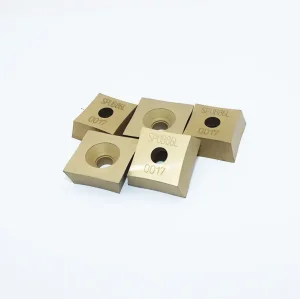
Square Tungsten Special Carbide Tools Button Insert for Mining & Excavation
View Specifications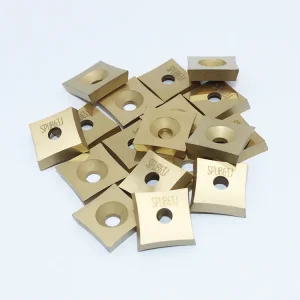
Steel Pipe Scarfing Tools SPUB63J Tube Scarfing Inserts for Welded Pipes
View Specifications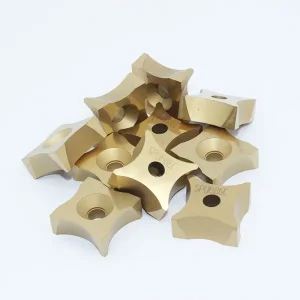
SPUB86C Customized Tungsten Carbide CNC Metal Cutting Inserts Tools
View Specifications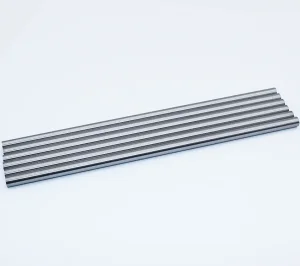
Nickel Based Tungsten Carbide Rods with Nickel Binder for Severe Service Machinery
View Specifications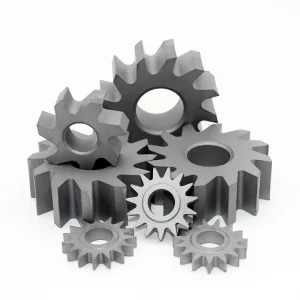
Custom Tungsten Carbide Spiral Bevel Gear Milling Cutters for Heavy Powertrains
View Specifications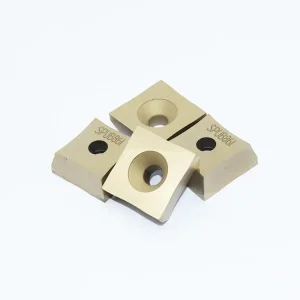
Precision Threading Carbide Blank Inserts for Oil Country Tubular Goods (OCTG)
View Specifications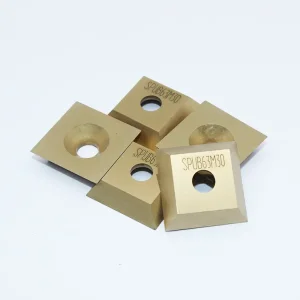
Tungsten Square Original Carbide Cutting Inserts for High-Feed Milling
View Specifications