
High-Precision Tungsten Carbide Products (Part I)
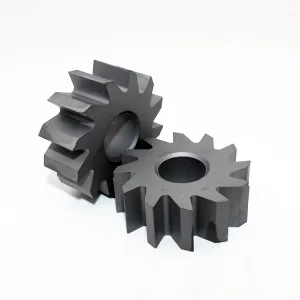
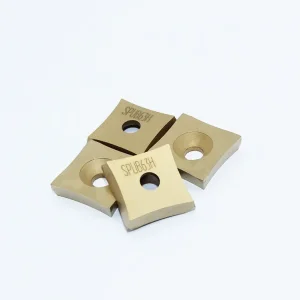
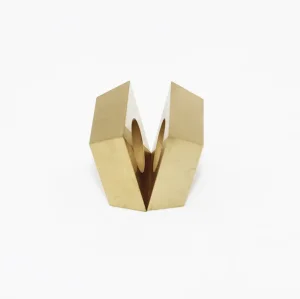
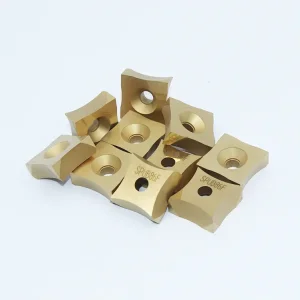
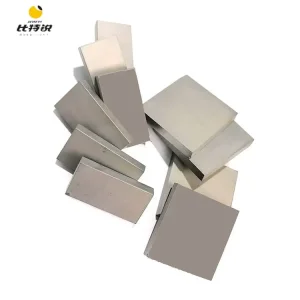
Standard and customized solid carbide geometries, scarfing inserts, and metal-processing blanks engineered to sub-micron surface tolerances.




Global Procurement Imperatives in Cemented Carbide Tooling
Evaluating supply chain risks, total life-cycle economics, and performance consistency across high-speed cutting applications.
Supply Chain Resiliency & Upstream Control
Global original equipment manufacturers (OEMs) and tooling distributors are navigating volatile feedstock markets. Jiangxi Province holds the richest concentration of tungsten reserves worldwide. Sourcing directly from a high-capacity China tungsten carbide factory guarantees immediate access to prime ammonium paratungstate (APT), eliminating secondary intermediary margins and third-party smelting supply disruptions.
Total Cost of Ownership (TCO) Optimization
Initial acquisition cost represents less than 15% of total metal removal operational expenditure. The true drivers are machine downtime, tool replacement intervals, and cycle yields. High-performance tungsten carbide inserts sintered under vacuum HIP environments resist flank wear, crater micro-cracking, and plastic deformation, ensuring maximum spindle up-time and predictable batch processing.
Microstructural Uniformity & Zero Porosity
Variable cutting parameters destroy tool life when blanks display erratic density or internal voids. Leading carbide factories employ multi-axis CNC profile grinding, high-vacuum overpressure sintering, and comprehensive metallographic verification. The resulting microstructure exhibits uniform cobalt phase distributions, avoiding the brittle fracture points prevalent in low-cost recycled-carbide operations.
Macro-Industry Engineering Solutions
Precision-matched cemented carbide grades and geometries configured for severe operational stresses across worldwide industries.
Aerospace & Exotic Alloys
Milling and profiling titanium alloys (Ti-6Al-4V) and nickel-based superalloys (Inconel 718) generate extreme localized cutting heat. Ultrafine-grain cemented carbide matrices with sub-micron 0.5µm WC powders paired with tailored physical vapor deposition (PVD) coatings retard thermal cracking and chemical diffusion at sustained operational temperatures above 900°C.
Automotive Powertrain & Cast Iron
High-volume brake rotor surfacing, cylinder block boring, and transmission gear milling require exceptional edge security. Specialized grades such as YG6 and YG8 provide an optimized balance of abrasion resistance and fracture toughness, facilitating uncooled dry-cutting of compacted graphite iron (CGI) and nodular cast iron components with repeatable runouts.
Tube & Pipe Scarfing Operations
Longitudinal high-frequency welded (HFW) pipe fabrication demands rapid external and internal seam removal. Sintered SPUB-63 and SNMX inserts with specialized negative cutting geometry eliminate weld flash cleanly under intense vibration and thermal cycling, maintaining uninterrupted automated tube line operational speeds.
Railway & Mining Wear Parts
Tamping tine wear plates, track renewal cutters, and deep-well drilling compacts face dynamic cyclic shock loads combined with severe quartz sand abrasion. High-cobalt (15%–20%) coarse-grain grades (YG15, YG20) maximize impact dissipation, preventing structural fracture during heavy percussive penetration cycles.
Standard Cemented Carbide Mechanical Properties Guide
Precise chemical composition, binder contents, and mechanical performance metrics verified by metallographic testing.
| Carbide Grade | Binder (Co / Ni %) | Grain Size (µm) | Density (g/cm³) | Hardness (HRA) | Transverse Rupture (TRS MPa) | Primary Industrial Application |
|---|---|---|---|---|---|---|
| YG6 (ISO K10-K20) | 6.0% Co | 1.2 – 1.6 | 14.90 ± 0.10 | ≥ 90.5 | ≥ 1,900 | Wear plates, chilled cast iron finish-machining, precision drawing dies. |
| YG8 (ISO K20-K30) | 8.0% Co | 1.4 – 2.0 | 14.70 ± 0.10 | ≥ 89.5 | ≥ 2,200 | Lathe brazed tips, water well drill bits, non-ferrous rough turning. |
| YG15 (ISO K40) | 15.0% Co | 1.8 – 2.5 | 14.00 ± 0.15 | ≥ 87.0 | ≥ 2,800 | Cold heading dies, metal stamping punches, shear blades for sheet metal. |
| YG20 (Impact Line) | 20.0% Co | 2.2 – 3.0 | 13.50 ± 0.15 | ≥ 85.5 | ≥ 3,100 | Heavy cold stamping dies, railway tamping tine blocks, forging dies. |
| Ni-Bonded (Non-Mag) | 8.0%–12.0% Ni | Sub-micron to Medium | 14.60 ± 0.15 | 88.0 – 90.5 | ≥ 2,100 | MWD downhole components, magnetic sensor enclosures, corrosive chemical seals. |
Manufacturing Route: Sinter-HIP Technological Roadmap
Rigorous multi-stage production protocol preventing structural micro-cracks and ensuring strict dimensional repeatability.
Virgin WC Formulation
100% virgin tungsten carbide powder strictly controlled for grain distribution, wet-milled with paraffin wax binders and cobalt/nickel matrices in high-energy attritor mills.
Isostatic CNC Pressing
Automated powder compacting using multi-axial CNC mechanical presses and cold isostatic pressing (CIP) chambers to ensure uniform green-state density across intricate profiles.
100-Bar Sinter-HIP
Dewaxing followed by high-pressure Sinter-HIP at 1,450°C under argon gas pressure up to 10 MPa, eliminating micro-porosity (rated A00, B00, C00) and consolidating bulk density.
Nanometer-Scale Grinding
High-precision 5-axis Walter and AgieCharmilles grinding centers machine clearance angles, chip-breaker pockets, and outer diameters down to h6 and DIN ISO tolerance classes.
Microstructural Audit
Metallographic microscopes, coercimeters, and magnetic saturation detectors inspect every batch, ensuring cobalt distribution complies with strict international specifications.
Full Compliance, Export Certification & Local Support
Seamless integration into procurement supply chains across North America, the European Union, Australia, and ASEAN regions.
RoHS, REACH & Conflict Minerals
All tungsten carbide blanks, cutting tools, and non-magnetic assemblies comply with EU RoHS Directive 2011/65/EU and REACH (EC 1907/2006). Materials are certified through RMI (Responsible Minerals Initiative) mechanisms ensuring non-conflict sourcing from compliant upstream smelters.
Multimodal Export Logistics
Custom packaging using anti-static, anti-oxidation vacuum foil and reinforced foam cushioning prevents micro-chipping during international transport. Rapid air freight delivery (DHL, FedEx, UPS) operates under standard 3-5 business day transit times, supplemented by ocean consolidation for bulk volume orders.
Engineering Consultation & OEM SLA
Our dedicated metallurgists and tooling design engineers provide 8-hour CAD/CAM drawing reviews, manufacturability optimization (DFM), and material recommendations tailored to individual customer spindle torque, feed velocities, and workpiece alloys.
High-Precision Tungsten Carbide Products (Part II)
Gear shaper cutters, wear-resistant flat blanks, railway tips, and non-magnetic nickel-binder carbide rods built for extreme-duty operations.







Frequently Asked Technical & Sourcing Questions
Detailed answers regarding grade selection, tooling tolerance compliance, customization capabilities, and batch lead times.