
Engineered Blanks & Inserts
Featured Tungsten Carbide Tipped Tooling Solutions
Precision-sintered indexable inserts, heavy scarfing inserts, cold heading dies, and wear plates crafted for high-stress continuous mechanical systems.

Buy Wholesale SPUB63 tungsten carbide insert scraps lathe cutting tools turning Supplier, Factories
View Specification
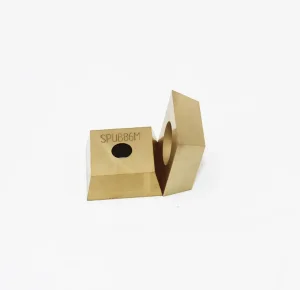
China Tungsten cemented carbide cutting inserts for CNC machine tool bar peeling SPUB86I Suppliers, Factories
View Specification
Buy Customized Tungsten Carbide Cold Heading molds/punch dies/wire drawing dies Manufacturers, Suppliers
View Specification
China 2020 wholesale square tungsten large chip blank carbide insert Suppliers, Factories
View Specification
Buy New Shape Tungsten Carbide Tamping Tine Tools for Railway Industry Manufacturer, Factories
View Specification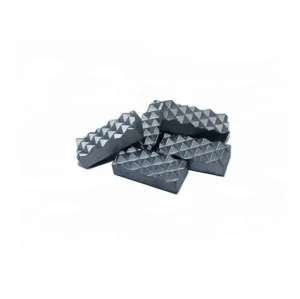
Buy YG8 carbide gripper inserts Manufacturers, Factory
View Specification
Wholesale Nickel based tungsten carbide rods with nickel binder for machinery Manufacturer, Factories
View Specification
Market Dynamics & Global Supply Chain
Global Landscape of Carbide Tipped Tool Manufacturing
Strategic shift toward specialized metallurgical formulations, resilient submicron structures, and domestic vertical integration within advanced manufacturing clusters.
Critical Supply Chain Integration
The international demand for tipped tooling has pivoted toward comprehensive supply-chain security. China holds over 80% of the world's upstream tungsten reserves, centered prominently around Jiangxi province. Direct procurement from dedicated factories bridges raw APT (Ammonium Paratungstate) refining with micro-grain press sintering, mitigating global price spikes and raw material volatility.
Shift Towards Submicron Grain Geometries
Modern metal-cutting demands tools that endure higher shear strain without chipping. Global tooling manufacturers are shifting toward submicron (<0.8µm) and ultrafine (<0.5µm) tungsten carbide powder phases. This metallurgical enhancement delivers transverse rupture strengths exceeding 3,800 MPa while retaining high surface hardness (HRA > 91.5).
High-Impact Brazing Automation
Conventional manual torch brazing has yielded to high-frequency induction brazing with automated flux feeding. By strictly controlling the joint line thickness between 0.05 mm and 0.15 mm using copper-silver eutectic interlayers, modern tipped tool factories reduce thermal shear stresses and eliminate interfacial delamination during severe roughing passes.
24+
Years Engineering Heritage
5,000 m²
Modern Production Footprint
80+
Granted Tooling Patents
< 8h
Technical Drawing Response
Technology Roadmap
Carbide Tipped Tooling Evolution: Next-Gen Engineering
Emerging metallurgical technologies reshaping cutting edge endurance, thermal dissipation, and environmental sustainability.
Sinter-HIP Multi-Atmosphere Densification
Modern vacuum Sinter-HIP technology combines vacuum heating with high-pressure argon quenching (up to 10 MPa) within a unified thermal cycle. This eliminates microporosity (A02/B02 compliance under ISO 4505), increases Weibull modulus stability, and extends tool operating life under interrupted mechanical shock loads.
Functionally Graded Tool Compositions (FGM)
Engineering custom binder gradients enables a tool blank with an enriched cobalt sub-surface (providing elevated fracture toughness against chatter) coupled with a cobalt-depleted, ultra-hard exterior layer. This dual-property configuration yields extreme flank wear resistance alongside high core impact tolerance.
Environmentally Stabilized Alternative Binders
As international environmental compliance mandates strict monitoring of cobalt, proprietary nickel-chromium (Ni-Cr) and iron-nickel (Fe-Ni) binders are replacing conventional cobalt. These specialized binders provide exceptional corrosion resistance in harsh aquatic or acidic drilling operations without generating toxic leaching.
Engineered Deployments
Field Applications & Macro-Industrial Solutions
Matching custom cemented tungsten grades to specific wear environments across mining, aerospace, metal rolling, and high-speed infrastructure.
Heavy Steel Mill Scarfing
Continuous casting lines demand robust edge retention. Inserts like SPUB63 and SPUB86 remove surface scale, hot oxides, and continuous weld seams at temperatures above 800°C without plastic deformation of the tool cutting apex.
Railway Track Maintenance
Dynamic tamping machines subject ballast tines to relentless abrasive rock friction and cyclical percussion. Hardfaced brazed carbide tips dramatically outlast standard forged alloy steel components, mitigating mainline delays.
Subsurface Energy Drilling
Downhole MWD/LWD drilling assemblies mandate completely non-magnetic environments. Utilizing non-magnetic nickel-bonded carbide grades protects sensor telemetry data while preserving resistance against slurry erosion.
Cold Heading & Stamping Dies
Fastener manufacturing involves high triaxial compressive stress. High-cobalt micro-grain carbide punch inserts resist axial fatigue, micro-spalling, and hoop stress failures across millions of progressive fastener cycles.
Metallurgical Data
Cemented Tungsten Carbide Grade Specification Table
Engineering reference guide to balance binder volume, nominal hardness, and transverse rupture strength for specialized tipped tooling designs.
| Carbide Grade | Binder Ratio (%) | Density (g/cm³) | Hardness (HRA) | TRS (N/mm²) | Optimal Mechanical Application |
|---|---|---|---|---|---|
| YG6 (ISO K10-K20) | 6.0% Co | 14.90 - 15.00 | 90.5 | ≥ 1,900 | Finishing cast iron, non-ferrous metals, precision drawing dies. |
| YG8 (ISO K20-K30) | 8.0% Co | 14.60 - 14.80 | 89.5 | ≥ 2,200 | Mining drill chisel tips, wood cutting blanks, lathe welding tools. |
| YG15 (ISO K40) | 15.0% Co | 13.90 - 14.10 | 87.0 | ≥ 2,800 | Heavy cold stamping punches, metal drawing dies, structural sleeves. |
| YG20 (Impact Grade) | 20.0% Co | 13.40 - 13.60 | 85.5 | ≥ 3,100 | Extreme shock cold heading dies, progressive tooling, thick EDM blocks. |
| Ni-Bond Non-Magnetic | Proprietary Ni | 14.50 - 14.90 | 88.5 | ≥ 2,000 | MWD drill sleeves, magnetic molding components, anti-corrosive seals. |
Process Control
Factory-Direct Quality Verification Protocol
A five-stage traceability roadmap ensuring every carbide tipped component adheres strictly to DIN/ISO metallurgical benchmarks.
STAGE 01
100% Virgin Powder Milling
Formulated exclusively with virgin WC powder and pure binder elements. Wet ball-milled in paraffin wax slurries for uniform grain dispersion.
STAGE 02
CNC Isostatic Pressing
Near-net shape compression utilizing precision bidirectional CNC tooling and cold isostatic pressing (CIP) to avoid internal density differentials.
STAGE 03
Pressure Sinter-HIP
Heated to liquidus temperature (1,380°C - 1,450°C) with subsequent high-pressure argon infusion (10 MPa) to achieve near 100% theoretical density.
STAGE 04
Micron Surface Grinding
Diamond wheel surface and centerless grinding ensuring outer diameter tolerances down to h6 and mirror finishes with Ra < 0.05 µm.
STAGE 05
Metallographic Assurance
SEM and metallographic microscope confirmation of grain consistency, coercive force, magnetic saturation, and porosity grading.
Specialized Catalog
Industrial Tipped Tool Components & Precision Blanks
Tube scarfing inserts, end mill rod blanks, CVD coated indexables, and pure tungsten alloy plates tailored for worldwide industrial export.

China Tungsten carbide tamping tines for railway construction equipment Suppliers, Factory
View Specification
China SPUB63J CVD coating tungsten carbide od scarfing insert Manufacturers, Suppliers
View Specification
Buy Square Tungsten insert carbide manufacturer threading carbide blank inserts Manufacturer, Manufacturers
View Specification
Buy Tungsten Carbide Round Rod Blanks for End Mills Manufacturer, Manufacturers
View Specification
China Wholesale SPUB-63 series carbide wood insert milling carbide insert Supplier, Suppliers
View Specification
China tungsten carbide tube scarfing inserts SQ8615WCB Manufacturers, Supplier
View Specification
Buy Premium Bright Surface Tungsten Heavy Alloy Sheets & Pure Tungsten Plates for Industrial Applications Manufacturer, Factories
View Specification
China Factory wholesale Tungsten square original carbide cutting inserts Manufacturer, Manufacturers
View Specification
Procurement & Engineering Inquiries
Frequently Asked Questions for Overseas Tool Buyers
Direct technical clarifications on tolerances, custom metallurgies, export certifications, and factory tooling workflows.
Can your factory customize tungsten carbide tooling tips directly from CAD drawings?
Yes. Custom tipped tooling and OEM preforms constitute our primary engineering operation. Customers can submit 2D/3D models (STEP, DWG, PDF) along with detailed operating parameters (speed, material being machined, impact load). Our metallurgists calibrate powder formulation, shrinkage parameters, and edge pre-honing (radius or chamfer) to fulfill specific drawing specifications within 8 hours.
What are the key technical differences between conventional YG6 and non-magnetic nickel-bonded grades?
Standard YG6 utilizes a 6% cobalt binder matrix which is ferromagnetic. While cobalt provides exceptional mechanical wettability with tungsten carbide, it interferes with electromagnetic sensors. Non-magnetic carbide replaces cobalt with a nickel-chromium (Ni-Cr) binder phase, rendering parts magnetically transparent (magnetic permeability µ < 1.005) and highly resistant to aggressive pitting in saltwater or harsh chemical drilling environments.
How does your factory prevent brazing cracks and tip detachment in heavy cutting operations?
Carbide and tool steel exhibit differing thermal expansion rates (carbide is roughly one-third that of carbon steel). To avoid micro-cracks during brazing, we maintain strict thermal ramp profiles, apply high-silver sandwich shims (e.g., Ag49CuZnMn with copper cores), and ensure precision degreasing of bonding surfaces. Sintered blanks are additionally stress-relieved through controlled slow furnace cooldowns.
What grinding tolerances and dimensional accuracies can your machines achieve on rod blanks and tipped inserts?
Our CNC grinding lines achieve h6 diameter tolerances on solid carbide rods (e.g., +0/-0.008 mm for Ø8 mm) with runout below 0.002 mm. For complex indexable inserts and scarfing tips (SPUB63, SPUB86), cutting edge thickness and seat geometry are maintained within ±0.01 mm, enabling consistent indexing and predictable tool offsets in CNC turret lathes.
How do you guarantee virgin powder purity and eliminate internal void formation?
We enforce a strict 100% virgin raw material protocol with zero recycled scrap powders. Every sintered batch is processed through overpressure Sinter-HIP autoclaves, and samples are metallographically checked under 1,000× optical magnification for microporosity (complying with ISO 4505 standards) before batch release.