
Precision Sintered Tungsten Carbide Tooling & Structural Blanks
Manufactured with 100% virgin ammonium paratungstate (APT) origin ores, HIP-sintered for near-zero internal micro-porosity and extreme abrasion resistance.
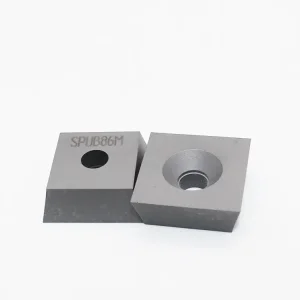
Wholesale Factory direct sale tungsten carbide turning inserts Manufacturer, Factory
View Specifications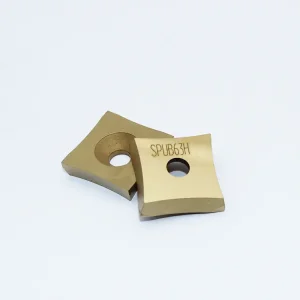
Buy Wholesale SPUB63H square tungsten carbide cemented cutting turning lathe tools Manufacturers, Factories
View Specifications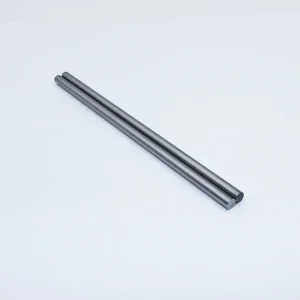
Wholesale Non magnetic cemented carbide rods for making water meter shaft Supplier, Suppliers
View Specifications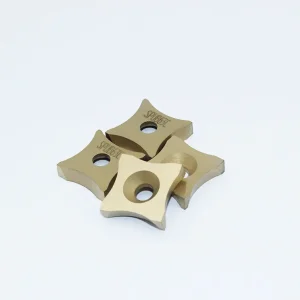
Wholesale Best price woodturning tungsten carbide turning tip inserts and cutter railway Manufacturer, Suppliers
View Specifications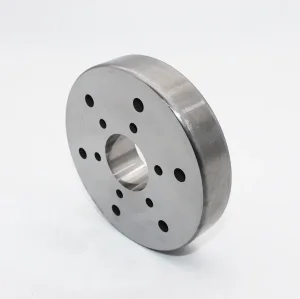
China Customized tungsten carbide insert for wear parts crushing roll Manufacturer, Suppliers
View Specifications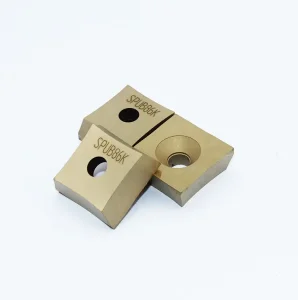
China Factory supply SPUB86 CVD coating radius tungsten carbide tips brazed insert Manufacturer, Factory
View Specifications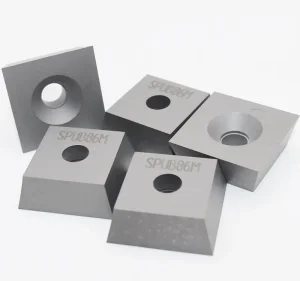
Wholesale Cemented carbide metal insert_cutting_tool SPUB86B/86C/86D/86E/86F/86G/86H/86K/86M Manufacturers, Factory
View Specifications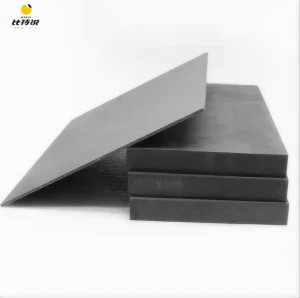
Wholesale Tungsten Carbide Plate 100×100×60 mm — Thick Block Stock for EDM, Die & Wear Parts Manufacturers, Suppliers
View SpecificationsWhere Does Tungsten Come From? An Exhaustive Upstream Supply Chain Analysis
Procurement directors and metallurgical engineers must evaluate raw mineral provenance to hedge against structural supply bottlenecks, verify ESG compliance, and secure tier-1 quality.
1. Primary Mineral Genesis
Tungsten (chemical symbol W, atomic number 74) is never encountered in its native elemental state. Economically viable commercial deposits reside within two mineral classes: Wolframite ((Fe,Mn)WO4), predominantly extracted from quartz vein hydrothermal systems, and Scheelite (CaWO4), typically sourced from skarn contacts. Commercial ore deposits rarely exceed 0.3% to 1.5% WO3 content, requiring intense comminution, gravity sorting, and froth flotation concentration.
2. Geopolitical Deposit Concentration
Over 80% of the world's mineable tungsten reserves are concentrated within the South China Metallogenic Province, with Jiangxi Province hosting premier world-class belts (e.g., Nanling Mountain range). Outside China, critical deposits are operated in Vietnam (Nui Phao polymetallic deposit), Russia (Primorsky krai), Austria (Mittersill scheelite mine), Rwanda, Bolivia, and developing projects across Australia and Canada.
3. Zhongfu's Strategic Native Advantage
Located in Nanchang, Jiangxi, Jiangxi Zhongfu Cemented Carbide Co., Ltd. sits directly inside the epicenter of the global tungsten hydrometallurgical network. With 24 years of manufacturing heritage, Zhongfu maintains unhindered direct access to virgin refined powders, eliminating secondary broker markup, minimizing maritime freight latency, and safeguarding raw material chemical purity.
From Ore Leaching to Sinter-HIP: The Production Pathway
Understanding how concentrated Wolframite transform into rock-solid WC-Co insert inserts, wear tiles, and precision round rods.
Autoclave Leaching & APT
Ore concentrates are digested using sodium hydroxide autoclaves or sodium carbonate roasting, converted to soluble sodium tungstate, and chemically precipitated into high-purity Ammonium Paratungstate (APT) crystals [ (NH4)10(H2W12O42)•4H2O ].
Dry Hydrogen Reduction
APT is calcined to produce Tungsten Blue Oxide (TBO) or Tungsten Trioxide (WO3). Dry hydrogen gas reduction furnaces convert oxides into ultra-fine pure tungsten metal powder (W) with precisely controlled Fischer sub-sieve sizer (FSSS) grain sizes.
High-Temp Carburization
Tungsten metal powder is intensively wet-blended with high-purity carbon black and heated in protective atmosphere resistance furnaces at 1,400°C–1,600°C. This creates stoichiometric hexagonal Tungsten Monocarbide (WC) molecules.
Sinter-HIP Densification
WC powder is ball-milled with ductile binders (Cobalt Co or non-magnetic Nickel Ni), spray-dried into micro-granules, pressed into shape, and vacuum sintered under 100 bar Argon Hot Isostatic Pressure (HIP) at 1,450°C to eradicate voids.
Commercial Market Landscape & Supply Security Solutions
How aerospace OEMs, tier-1 automotive suppliers, and energy contractors insulate supply chains against trade sanctions, quota fluctuations, and critical material crunches.
Critical Mineral Classification
Both the United States Department of the Interior (USGS) and the European Commission classify tungsten as a premier Critical Raw Material (CRM) possessing exceptional economic importance and high supply dislocation vulnerability. Sourcing directly from certified facilities with integrated upstream contracts guarantees uncompromised continuous supply continuity.
100% Virgin Powder Integrity
While low-tier suppliers dilute alloys with zinc-reclaimed or contaminated scrap powder (causing micro-cracking and erratic tool wear), Jiangxi Zhongfu guarantees 100% virgin-formulated tungsten carbide powders. Every production batch undergoes strict spectral inspection, maintaining certified grain consistency and predictable tool lifecycle.
Circular Economy & ESG Traceability
Global enterprise procurement mandates comprehensive ESG audits and strict OECD Due Diligence Guidelines for Responsible Supply Chains of Minerals from Conflict-Affected and High-Risk Areas. Zhongfu complies strictly with RMI conflict-free sourcing protocols, incorporating closed-loop scrap buybacks for non-critical structural applications.
Localized Engineering Applications & Cemented Carbide Grades
Balancing Rockwell Hardness (HRA) and Transverse Rupture Strength (TRS) across heavy machining, aggressive earth boring, and non-magnetic instruments.
| Alloy Grade | Binder Formulation | Density (g/cm³) | Hardness (HRA) | TRS (N/mm²) | Industrial Specialization |
|---|---|---|---|---|---|
| YG6 (ISO K10-K20) | 6.0% Cobalt (Co) | 14.85 – 15.00 | 90.5 ± 0.5 | ≥ 1,900 | Cast iron machining, fine wire drawing dies, wear guide rails |
| YG8 (ISO K20-K30) | 8.0% Cobalt (Co) | 14.60 – 14.80 | 89.5 ± 0.5 | ≥ 2,200 | Rock drill bits, brazed cutting tips, geotechnical road planing |
| YG15 (ISO K40) | 15.0% Cobalt (Co) | 13.90 – 14.15 | 87.0 ± 0.5 | ≥ 2,800 | Cold heading punches, progressive stamping dies, high-impact tooling |
| YG20 (Heavy Impact) | 20.0% Cobalt (Co) | 13.45 – 13.65 | 85.5 ± 0.5 | ≥ 3,100 | Heavy forging dies, crushing roll liners, thick EDM stock blocks |
| ZF-Ni10 (Non-Magnetic) | 10.0% Nickel (Ni) | 14.45 – 14.65 | 88.5 ± 0.5 | ≥ 2,100 | MWD/LWD oilfield tools, water meter shafts, magnetic powder dies |
Sub-Sea & Geotechnical Drilling
Downhole directional tools encounter extreme abrasive slurries, high subterranean pressures, and intense magnetic interference. Zhongfu’s nickel-bonded non-magnetic carbide grades deliver zero magnetic susceptibility (μr < 1.005) coupled with aggressive erosion protection for MWD sensor sleeves and water meter drive shafts.
Continuous Steel Mill Tube Scarfing
Heavy-duty internal and external weld bead removal demands uncompromised thermal fatigue endurance. Our SPUB63, SPUB86, and SNMX series scarfing inserts, manufactured from shock-resistant virgin substrates with advanced TiAlN/CVD multi-layer coatings, resist catastrophic chipping at temperatures over 900°C.
Aerospace Superalloy Milling
Machining Inconel 718, Hastelloy, and titanium requires sharp micro-geometries and nano-grain substrates (<0.4 μm) to impede thermal diffusion and notch wear. Zhongfu ground round rods (h6 tolerance) provide exceptional edge stability and vibration damping during high-speed 5-axis aerospace machining.
Technological Roadmap: The Future of High-Entropy & Additive Carbide
Exploring binderless spark plasma sintering, functional grading, and additive manufacturing of refractory superalloys.
Additive Laser Powder Bed Fusion (L-PBF)
Traditional cemented carbide requires pressing dies, limiting geometry to rotationally symmetric or flat profiles. Next-generation spherical tungsten powders engineered for binder jetting and selective laser sintering allow conformal cooling passages within carbide molds, boosting thermal dissipation by 45% during die casting.
Binderless Tungsten Carbide
To eliminate soft metallic binder degradation in aggressive acids (HF, HCl), Zhongfu's engineering research team is advancing Spark Plasma Sintering (SPS/FAST) of binderless WC. Reaching theoretical density without cobalt or nickel binders achieves extreme micro-hardness (>2,400 HV30) for optical glass compression molds.
Functionally Graded Hardmetals (FGM)
By controlling nitrogen partial pressures during sinter-HIP ramp cycles, our metallurgists produce functionally graded carbide inserts with a tough, cobalt-enriched interior core coupled with an ultra-hard, binder-depleted outer surface skin, eliminating traditional trade-offs between toughness and wear resistance.
Frequently Asked Questions for Industrial Procurement Teams
Addressing technical parameters, origin verifications, lead times, and custom drawing capabilities.
Where does Jiangxi Zhongfu source its raw tungsten minerals?
What is the difference between virgin WC powder and recycled scrap carbide?
Can Zhongfu manufacture custom tungsten carbide wear parts directly from customer CAD drawings?
Why choose nickel-bonded non-magnetic carbide over standard cobalt-bonded carbide?
What export packaging and international shipping timelines do you support?
Heavy-Duty Turning, Scarfing, Mining & Solid Rod Blanks
Engineered to eliminate unplanned downtime in the most unforgiving industrial manufacturing, steel processing, and deep geotechnical drilling environments.
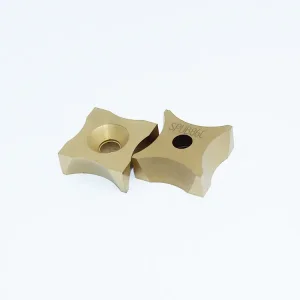
Wholesale SPUB86C customized lathe_ tungsten_carbide_inserts drill bit insert Supplier, Factory
View Specifications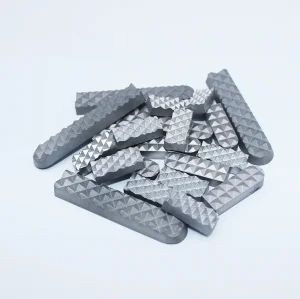
Buy Cemented tungsten carbide gripper inserts/tips for mining and diamond drilling Factory, Factories
View Specifications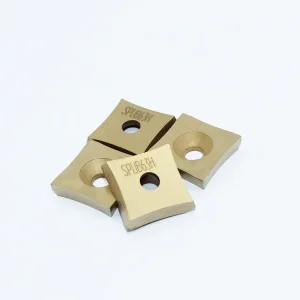
Buy Wholesale woodworking blades tungsten carbide insert milling inserts inconel Manufacturers, Suppliers
View Specifications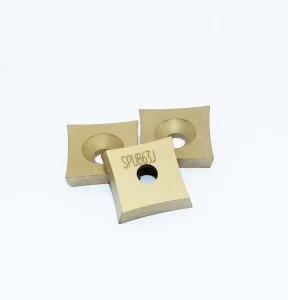
China SPUB63J CVD coating tungsten carbide od scarfing insert Manufacturers, Suppliers
View Specifications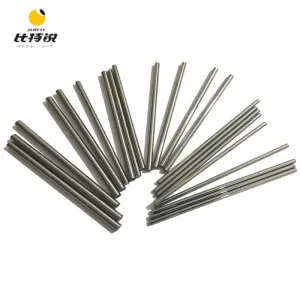
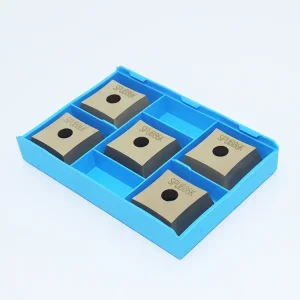
China Best price SPUB86K CVD coating tungsten carbide lathe cutting tool insert Manufacturer, Manufacturers
View Specifications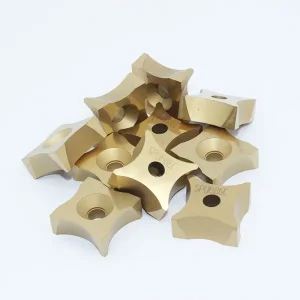
China SPUB86C P40 uncoated blank cemented tools carbide inserts Suppliers, Factory
View Specifications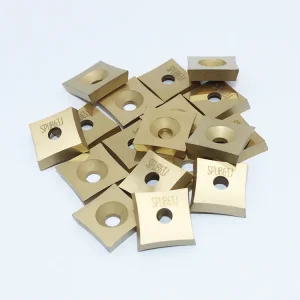
Wholesale Wholesale Steel Pipe Scarfing Tools SPUB63J Tube Scarfing Inserts Supplier, Factories
View SpecificationsPartner Directly with Jiangxi Zhongfu Cemented Carbide
Connect directly with our senior metallurgists to discuss CAD drawings, material grade optimizations, or volume OEM supply contracts. Every inquiry receives a verified technical reply within 8 hours.