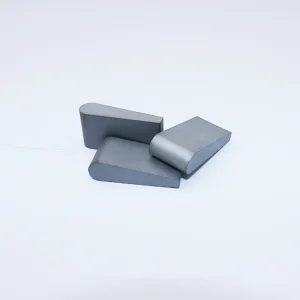
Featured High-Performance Carbide Components (Group 1)
Direct supply of HIP-sintered blanks, threading inserts, and wear-resistant hardware parts certified to ISO & international manufacturing standards.
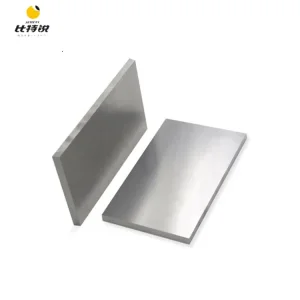
China Tungsten Carbide Plate | OEM Wear-Resistant Cemented Carbide Blank for Tooling & EDM Manufacturers, Supplier
View Details & Quote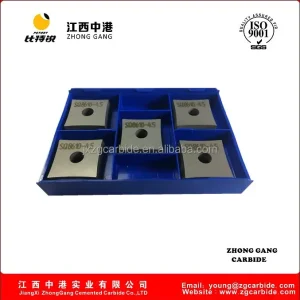
Wholesale carbide OD tube scarfing insert SDUW for weld bead steel tube Manufacturer, Factories
View Details & Quote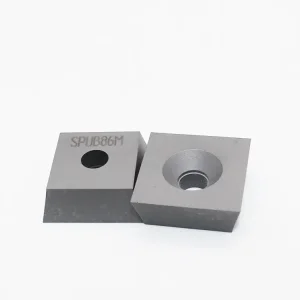
China 2020 Tungsten carbide whole seller Tungsten carbide square thread inserts tools Factory, Factories
View Details & Quote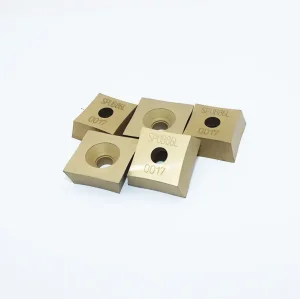
Buy Square Tungsten insert carbide manufacturer threading carbide blank inserts Manufacturer, Manufacturers
View Details & Quote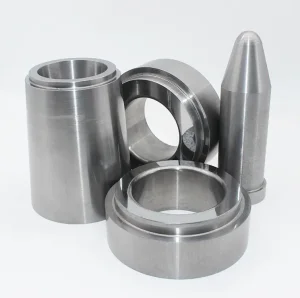
Wholesale Customized tungsten cemented carbide hardware parts water jet nozzle seat valve Factory, Factories
View Details & Quote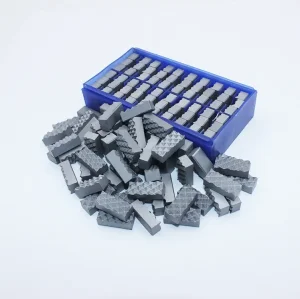
China Best price YG8 tungsten carbide gripper inserts for chuck jaw Suppliers, Factories
View Details & Quote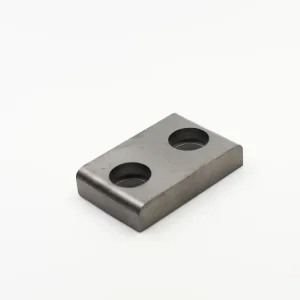
China Wholesale customized high precision hard alloy tungsten carbide cutting tool wear parts Suppliers, Factory
View Details & Quote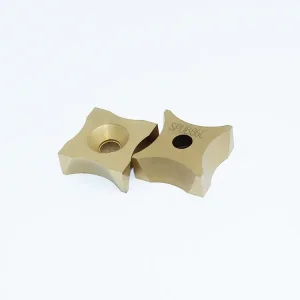
China SPUB86C P40 CVD coating tungsten carbide scarfing insert Manufacturers, Suppliers
View Details & QuoteGlobal Commercial & Industrial Cemented Carbide Market Dynamics
A macroeconomic evaluation of raw material fluctuations, supply chain distribution, and strategic manufacturing benchmarks.
Upstream Volatility & APT Index
Tungsten carbide pricing directly correlates with the spot price of Ammonium Paratungstate (APT). Factors like environmental mining quotas in Jiangxi and Hunan, combined with export licensing frameworks, cause shifts in virgin powder supply. Cobalt binder market dynamics additionally impact higher-binder impact grades (such as YG15 and YG20).
HIP Sintering & Quality Premium
Low-tier suppliers often quote lower rates by relying on vacuum sintering or incorporating recycled scrap scrap carbide (zinc process/chemical reclaim). High-tier suppliers utilize Hot Isostatic Pressing (Sinter-HIP) at 1450°C and 100 bar, which eliminates micro-porosity to yield a structural density of up to 15.0 g/cm³.
Total Cost of Ownership (TCO)
In heavy tooling environments—such as bar peeling, railway maintenance, and waterjet orifice cutting—a 15% lower initial component cost often results in a 40% reduction in tool life. Frequent line changeovers, thermal cracking, and machine downtime amplify costs far beyond the initial procurement delta.
Cemented Carbide Price Matrix & Specification Benchmarks
Typical price ranges per kilogram and component type based on chemical binder composition, grain classification, and processing complexity.
| Carbide Grade / Standard | Composition (WC / Binder) | Hardness (HRA) | Transverse Rupture (TRS) | Industrial Target Application | Est. Price Baseline ($/KG) |
|---|---|---|---|---|---|
| YG6 (ISO K10-K20) | 94% WC, 6% Co | 90.5 | ≥ 1900 MPa | High-wear plates, wire drawing dies, cast iron machining | $45.00 – $65.00 |
| YG8 (ISO K20-K30) | 92% WC, 8% Co | 89.5 | ≥ 2200 MPa | Chuck jaws, brazed tips, water well rock drill bits | $48.00 – $70.00 |
| YG15 (ISO K40) | 85% WC, 15% Co | 87.0 | ≥ 2800 MPa | Cold heading molds, punch tools, heavy blanking dies | $55.00 – $80.00 |
| YG20 (Impact Grade) | 80% WC, 20% Co | 85.5 | ≥ 3100 MPa | Severe impact forming, heavy stamp dies, thick EDM blocks | $58.00 – $85.00 |
| Ultrafine / Nano Grain | 90% WC, 10% Co (<0.5µm) | 92.5 – 93.5 | ≥ 3800 MPa | Solid round rods, PCB micro-drills, aerospace end mills | $75.00 – $120.00 |
| Non-Magnetic (Ni-Binder) | 91% WC, 9% Ni/Cr | 88.5 – 90.0 | ≥ 2100 MPa | MWD oilfield sensors, jewelry pins, corrosion/fluid valve seats | $65.00 – $95.00 |
*Price estimates depend on global APT trade movements, raw cobalt costs, geometric tolerance tolerances (e.g., as-sintered vs. h6 ground), and order volume. For certified pricing, request an official engineering invoice.
Localized Application Scenarios & Heavy-Industry Deployments
Engineering how high-wear tungsten carbide solutions perform across rigorous industrial operating environments.
Tube & Pipe Conditioning
Specialized scarfing inserts such as SPUB86, SPUB63, SNMX19, and SDUW strip outer-diameter weld beads on ERW pipe lines under temperatures up to 800°C without edge spalling.
Downhole Oil & Gas Drilling
Nickel-bonded non-magnetic parts eliminate magnetic sensor distortion in Measurement-While-Drilling (MWD) strings. YG8-class brazed buttons deliver resistance to abrasive strata in horizontal drilling.
EDM & Stamping Dies
Stress-relieved, HIP-sintered blocks (e.g., 100×100×60 mm) maintain structural integrity under electrical discharge wire cutting, eliminating micro-cracking and delivering micron-level punch concentricity.
Railway Track Maintenance
Railway tamping tines subjected to cyclic rock impact benefit from engineered WC inserts, maximizing tip lifespan and minimizing track maintenance cycles across high-speed rail networks.
Technology Roadmap & Metallurgy Future Outlook
The progression of advanced powder metallurgy: moving from standard micro-grain WC toward additive manufacturing and intelligent lifecycle tracking.
Transition to Full Sinter-HIP Sintering Furnaces
Industry-standard vacuum sintering is increasingly replaced by overpressure Sinter-HIP units operating at 1400–1480°C and 60–100 bar argon gas. This closes residual internal micro-pores, raises Transverse Rupture Strength by 25–40%, and preserves structural homogeneity in heavy cold-forming dies.
Nanocrystalline & Ultrafine Grain WC Formulations
Deploying grain growth inhibitors (VC, Cr3C2) maintains tungsten carbide crystallite sizes between 0.2 µm and 0.4 µm. This microstructural architecture yields hardness ratings above 93 HRA while sustaining fracture toughness, serving as the benchmark standard for solid carbide end mills and PCB drills.
Advanced PVD / CVD Multi-Layer Plasma Coatings
AlTiN, TiSiN, and Diamond-Like Carbon (DLC) functional layers enhance tool performance. Modern PVD coatings provide thermal barrier protection up to 1100°C and limit friction coefficients down to 0.15, extending tool life across dry machining and bar peeling operations.
Binder Jet 3D Printing & Closed-Loop Hydrometallurgy
Additive manufacturing via binder jetting allows production of complex internal cooling channels within carbide nozzles and cutting tools that cannot be produced via traditional pressing. Concurrently, closed-loop hydrometallurgical recycling routes recover tungsten and cobalt from spent scrap with virgin-grade purity.
Enterprise Procurement & Manufacturing Safeguards
How Jiangxi Zhongfu Cemented Carbide Co., Ltd. eliminates risk across cross-border procurement workflows.
100% Virgin Powder Commitment
We source virgin Ammonium Paratungstate straight from Jiangxi's primary mineral belts. We do not blend uncontrolled black scrap carbide, ensuring uncompromised density, predictable thermal conductivity, and consistent electrical conductivity during wire EDM machining.
Metallographic Analysis & NDT
Every production batch undergoes coercive force (Hc) testing, saturation magnetism (Com) checking, Rockwell HRA testing, and microstructure optical microscopy to ensure uniform phase distribution without detrimental Eta (η) phase formation.
Rapid Engineering Turnaround
Send 2D or 3D CAD blueprints with specified tolerances. Our engineering team returns manufacturability reviews, powder grade selections, and factory-direct price estimates within 8 working hours, backed by full ISO9001 certified documentation.
Frequently Asked Questions (Procurement FAQ)
Common technical, commercial, and logistical inquiries addressed directly by our metallurgy staff.
How does the spot price of tungsten influence your carbide price chart?
What differentiates standard vacuum-sintered carbide from HIP-sintered parts?
Why choose nickel-bonded (non-magnetic) carbide over conventional cobalt binders?
Can Zhongfu manufacture non-standard parts directly from custom CAD files?
What is the standard lead time for custom carbide orders and international shipping?
Specialized Heavy-Duty Cutting, Turning & Peeling Tooling (Group 2)
Explore our secondary lineup of CVD-coated turning inserts, centerless lathe peeling tools, and high-impact wear components.
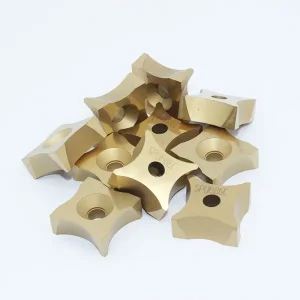
Wholesale Factory wholesale SPUB86 CVD coating tungsten carbide turning inserts Manufacturers, Factories
View Details & Quote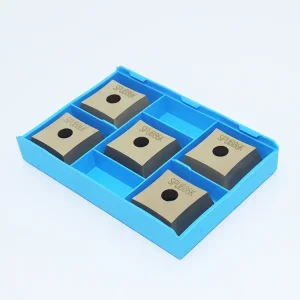
China Best price SPUB86K CVD coating tungsten carbide lathe cutting tool insert Manufacturer, Manufacturers
View Details & Quote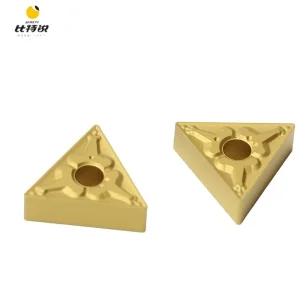
China Tungsten Carbide Bar Peeling Insert Hard Alloy Cutting for Centerless Lathe Steel Rod Manufacturer, Suppliers
View Details & Quote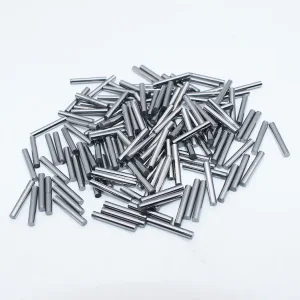
China Factory supply non-magnetic carbide pin for jewelry industry Supplier, Factory
View Details & Quote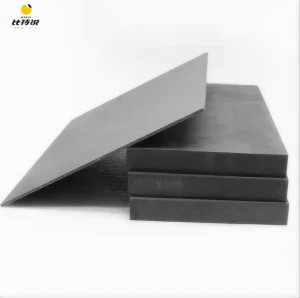
Wholesale Tungsten Carbide Plate 100×100×60 mm — Thick Block Stock for EDM, Die & Wear Parts Manufacturers, Suppliers
View Details & Quote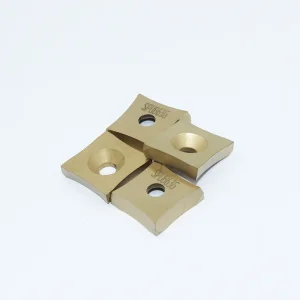
Buy Wear resistant technical round tungsten lathe carbide inserts knife blade Manufacturers, Supplier
View Details & Quote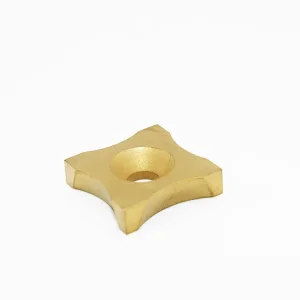
Wholesale Wholesale SPUB63B tungsten carbide insert box used carbide inserts price Supplier, Factories
View Details & Quote