
Featured High-Performance Carbide Tooling & Inserts
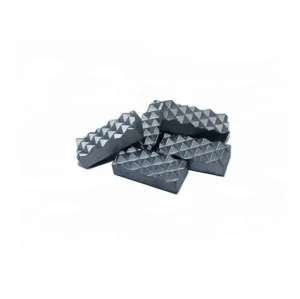
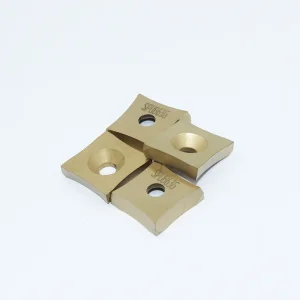
Explore our top-tier precision-sintered carbide cutting blanks, railway tamping tine tools, and SPUB-63 series indexable inserts engineered for harsh industrial duty cycles.





The Metallurgical Landscape of Spub63c & Heavy-Duty Industrial Tooling
Authored by technical engineering leads at Jiangxi Zhongfu Cemented Carbide Co., Ltd., delivering actionable intelligence for mechanical engineers, procurement executives, and production directors.
In modern metallurgy and high-frequency welded (ERW) tube manufacturing, the removal of the longitudinal outer weld bead (scarfing) represents one of the most mechanically and thermally violent environments in subtractive manufacturing. At the core of this operation lies the specialized SPUB63 family—specifically the SPUB63C and SPUB63J indexable cemented carbide inserts. Operating under continuous contact with dynamic molten steel flashes exceeding 1100°C, these tools require extraordinary mechanical properties: superior red hardness, exceptional thermal fatigue crack resistance, and microstructural fracture toughness capable of resisting continuous impact without micro-chipping or catastrophic cleavage.
Backed by over 24 years of manufacturing excellence, Jiangxi Zhongfu Cemented Carbide Co., Ltd. operates a modern 5,000 m² sintering and finishing complex based in Nanchang, Jiangxi—the epicenter of China's core tungsten resource belt. By processing 100% virgin ammonium paratungstate (APT) derived tungsten carbide powders without recycled scrap blends, Zhongfu Carbide manufactures customized SPUB63, SNMX, and specialized square/tamping inserts that establish higher benchmark standards for operational service life and dimensional repeatability.
Industry Trends: The Next Generation of Spub63c Scarfing Inserts
How rapid advances in high-frequency induction pipe welding, automated mill continuous tracking, and multi-element nanostructured coatings are transforming insert requirements.
1. High-Speed ERW Mill Integration
Modern continuous tube mills run at feeding speeds surpassing 120–150 meters per minute. At these feed velocities, the Spub63c insert experiences severe cyclic thermal pulsing. The industry has moved definitively away from standard cobalt binders toward engineered sub-micron substrates with enriched tantalum-niobium carbide (TaC/NbC) solid solution additives to inhibit grain growth and combat plastic deformation.
2. Dual-Layer CVD & MT-TiCN Coatings
Uncoated cemented carbide tools suffer rapid adhesive crater wear when shaving hot weld spatter. The market standard for premium SPUB63C tools now features multi-layered Moderate Temperature Titanium Carbonitride (MT-TiCN) topped with thick columnar alpha-aluminum oxide (α-Al2O3), presenting an impenetrable thermal barrier against temperatures that frequently spike above 1000°C.
3. Zero-Porosity Sinter-HIP Consolidation
Atmospheric or basic vacuum sintering leaves microscopic voids (A02/B02 porosity class) that serve as nucleation sites for cleavage fractures during heavy interrupted cutting. Zhongfu utilizes ultra-high pressure Sinter-HIP processing (over 60–100 bar argon gas), attaining true theoretical density, eliminating sub-surface flaws, and increasing transversal rupture strength (TRS) past 2600 MPa.
Global Enterprise Procurement Requirements & Vendor Audit Criteria
Key metallurgical, mechanical, and logistical benchmarks utilized by tier-1 tube manufacturers and international tooling distributors when qualifying a primary Spub63c supplier.
Procurement managers responsible for high-volume steel pipe manufacturing cannot afford unexpected mill halts. In an electric resistance weld line producing OCTG (Oil Country Tubular Goods) casing, a single cracked insert causes immediate surface gouging, pipe rejection, and line stoppage costs that quickly exceed tens of thousands of dollars per hour. Consequently, institutional buyers evaluate potential suppliers according to five indispensable criteria:
A. Chemical Purity and Virgin Powder Traceability
Reclaimed or scrap-derived tungsten carbide powder exhibits trace contaminants (iron, copper, calcium) that degrade the boundary strength between tungsten grains and the cobalt binder. Tier-1 buyers demand certificates of analysis verifying 100% virgin APT powder sources. Zhongfu enforces rigorous spectrographic verification on every incoming batch to prevent catastrophic brittleness.
B. Geometric Tolerance Stability & Chamfer Precision
The SPUB63 architecture relies on four indexable cutting corners. Outer diameter pipe profile consistency dictates that corner radii, chamfer angles, and thickness tolerances must remain within ±0.025 mm (ISO Class M or Class G precision). Any variation produces uneven chip formation, chatter, and localized toolholder pocket deformation.
C. Edge Honing (K-Factor) and Micro-Chamfer Control
A sharp, unhoned carbide edge will immediately chip under the compressive impact of weld spatter. Conversely, an over-honed edge induces excessive cutting resistance and high tool temperatures. Elite suppliers utilize multi-axis brushing and wet-blasting to apply consistent 30–50 μm asymmetric edge hones (waterfall or trumpet hone profiles).
D. Supply Chain Resilience & Direct Factory Pricing
Procurement teams operate lean buffer stocks. Establishing direct contracts with fully integrated factories such as Jiangxi Zhongfu eliminates trading markups, ensures guaranteed production slots during tungsten price fluctuations, and delivers customized grade adjustments that catalog-only wholesalers cannot provide.
Material Specification & Grade Selection Matrix
Comparative metallurgical benchmarks for SPUB63, SNMX, and traditional cemented carbide grades applied in heavy scarfing, turning, and wear applications.
| Carbide Grade / Profile | Binder (Co/Ni %) | WC Grain Size (μm) | Hardness (HRA) | TRS (MPa) | Optimal Industrial Application |
|---|---|---|---|---|---|
| SPUB63C (ZF-SC20) Heavy Scarfing | 9.5% Co + TaC/NbC | 1.2 – 2.0 | 89.5 – 90.5 | ≥ 2650 | ERW steel pipe external weld bead scarfing; high impact resistance |
| SPUB63J (ZF-SC15) Wear Scarfing | 8.0% Co | 1.0 – 1.6 | 90.5 – 91.5 | ≥ 2450 | Continuous tube deburring, structural alloy tubing, high abrasive wear |
| YG8 (Standard ISO K20-K30) | 8.0% Co | 1.4 – 2.4 | 89.0 – 90.0 | ≥ 2200 | Rock drilling tips, gripper inserts, railway tamping tools, lathe roughing |
| YG6 (Standard ISO K10-K20) | 6.0% Co | 1.0 – 1.8 | 90.5 – 91.5 | ≥ 1900 | Cast iron machining, precision wear plates, non-ferrous finishing |
| YG15 (Heavy Impact Grade) | 15.0% Co | 2.0 – 3.5 | 86.5 – 87.5 | ≥ 2800 | Cold heading dies, metal stamping punches, severe intermittent impact |
| Ni-Bonded (Non-Magnetic) | 8.0 – 12.0% Ni | 1.2 – 2.2 | 88.0 – 90.0 | ≥ 2100 | MWD/LWD oil tools, magnetic component dies, corrosive chemical seals |
Macro-Industry Solutions Powered by Zhongfu Carbide
From energy distribution lines to heavy railway construction, discover how our consolidated carbide production lines serve foundational industrial sectors.
OCTG & Energy Transmission Tubing
API spec oil and gas casing tubing requires flawless outside diameter weld bead removal to guarantee zero stress concentrations. Our SPUB63C and 1*1*0.375" CVD coated scarfing inserts produce uniform metallurgical cut finishes, eliminating micro-notches that could trigger catastrophic sulfide stress cracking (SSC) in sour gas service environments.
Automotive & Structural Tubular Forming
Hydroformed automotive chassis components and roll-caged structural tubing depend on high-yield steel alloys (DP800, DP1000). Zhongfu’s fine-grain carbide wood and milling inserts, coupled with precision-ground SPUB-63 series profiles, provide clean chip evacuation and prevent built-up edge (BUE) formation across rapid-cycling continuous lines.
Railway Infrastructure & Ballast Maintenance
In addition to scarfing tooling, railway ballast maintenance requires extreme impact-resistant tungsten carbide tamping tine tools. Zhongfu supplies customized, brazed-tip tamping tines with specialized cobalt-rich shock-absorbing grades that resist the pulverizing forces of granitic rail ballast, drastically extending track maintenance intervals.
Localized Support, Traceability & Environmental Governance
International trade demands full transparency. Zhongfu provides complete regulatory compliance, certified raw material origins, and comprehensive documentation for seamless global importation.
ISO 9001:2015 Quality Management
Every batch of powder undergoes automated weighing, wet-ball milling, spray-drying, and metallographic grain size distribution testing before press tooling setup.
REACH & RoHS Compliance
All finished cemented carbide inserts, plates, and round rods comply with European Union chemical substance regulations, free from restricted hazardous impurities.
Conflict-Free Mineral Assurance
Our raw material chain strictly follows Responsible Minerals Initiative (RMI) guidelines, ensuring all tungsten (W) supplies originate from audited, certified domestic operations.
Rapid Logistics & Local Stocking
With door-to-door express delivery (DHL, FedEx, UPS) and established maritime container hubs, regular Spub63c repeat orders dispatch within 48 hours from safety stock.
Technical Roadmap: Next-Generation Scarfing Metallurgy
How Zhongfu Carbide continues pushing the physical limits of hardness, toughness, and wear life through state-of-the-art material science.
Functionally Graded Tool Substrates
By controlling nitrogen activity and thermodynamic diffusion during the early sintering stage, our R&D team creates functionally graded carbide structures. The outermost 15–30 μm layer features cobalt-depleted, cubic-carbide-enriched phases offering extreme hardness (HRA 92+), while the inner bulk preserves a high-cobalt ductile matrix that prevents sudden breakage under pipe seam shock.
Nanocomposite AlCrN & TiSiN PVD Coatings
For specialized stainless steel or titanium-alloy welded tubing where standard CVD coatings experience thermal delamination, Zhongfu has pioneered ultra-dense physical vapor deposition (PVD) architectures. Incorporating silicon (Si) into nanostructured TiSiN creates self-healing amorphized silicon nitride grain boundaries with oxidation resistance reaching up to 1100°C.
Smart Wear Telemetry & Pocket Geometries
Looking toward Industry 4.0, next-generation scarfing toolholders integrate real-time vibration and acoustic emission sensors. Zhongfu is currently co-developing standardized SPUB63 geometry modifications—featuring internal chip-breaker wave dams and high-pressure through-coolant channel directs—to optimize continuous swarf shearing and lower operator intervention.
Frequently Asked Questions (FAQ) for Spub63c Sourcing
Direct technical clarifications for tool room supervisors, procurement specialists, and plant managers.
Additional Sintered Carbide Components & Tooling Inserts
Complete your tooling inventory with our high-density EDM block stocks, precision threading inserts, railway equipment wear parts, and dedicated pipe scarfing tools.







Partner with Jiangxi Zhongfu Cemented Carbide Co., Ltd.
Request custom sample test batches, submit your 2D/3D part drawings for tolerance review, or download our comprehensive tungsten carbide grade manual.