
High-Precision Hard Metal & Sealing Die Tooling Selection
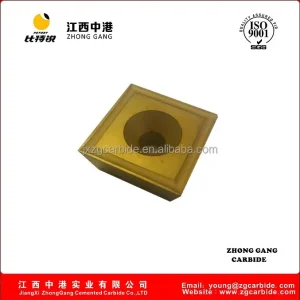
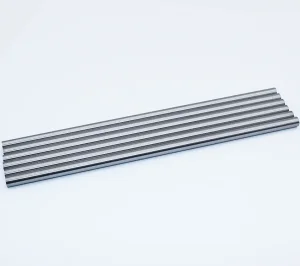
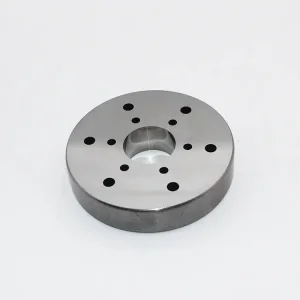
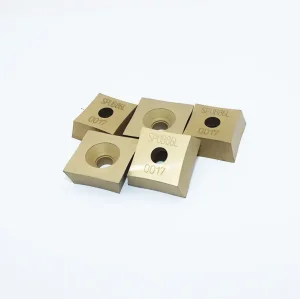
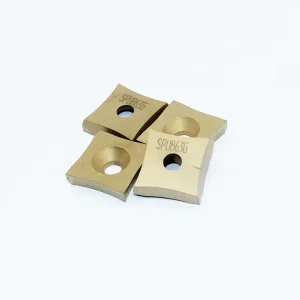
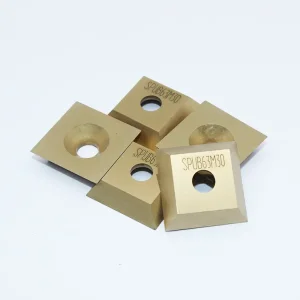
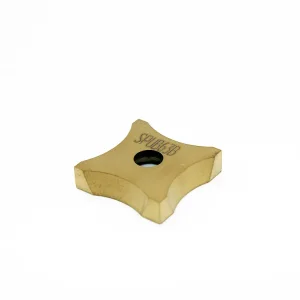
Precision sealing matrices require sub-micron extrusion dies, wear-resistant rotary mechanical seal faces, and robust tooling. Review our primary industrial tooling and seal-component catalog below.
The Modern Elastomer Paradigm: Thermal, Chemical & Tribological Demands
From standard Nitrile (NBR) to Perfluoroelastomers (FFKM), the industrial sealing sector has evolved beyond simple fluid barrier mechanics. High-frequency pneumatic cycles, aggressive corrosive solvents, and hydrogen fuel cell embrittlement now govern global seal manufacturing standards.
High-Entropy Polymer Crosslinking
Traditional sulfur-cured elastomers suffer rapid degradation under extreme mechanical fatigue. Modern OEM factories implement bisphenol and peroxide curing regimens combined with fluorocarbon chains, generating micro-crosslinking density that resists high-temperature compression sets below 12% across 1,000 hours of continuous loading.
Sub-Micron Surface Tribology
Dynamic rotary and reciprocating shaft seals demand ultra-low friction coefficients to eliminate stick-slip phenomena and heat dissipation breakdown. Advanced factories deposit chemical vapor deposited (CVD) coatings, PTFE micro-layers, or plasma-polymerized siloxane surfaces directly onto cured elastomeric profiles.
Hybrid Elastomer-Metal Bonding
Industrial machinery increasingly demands structural rigidity paired with hyper-elastic dynamic sealing lips. Automated silane primer spray stations and robotic insert placement enable chemical molecular vulcanization between fluoropolymers and tungsten carbide, stainless steel 316L, or alloy casings without adhesive delamination.
Global Procurement Matrix: Selecting Elastomers by Media & Stress
Procuring high-volume rubber seals requires a granular evaluation of compression modulus, glass transition temperature ($T_g$), swell percentage in hydrocarbons, and dynamic elongation limits. Utilize our engineering matrix to guide technical specifications.
| Elastomer Compound | Hardness (Shore A) | Operating Temp (°C) | Tensile Strength (MPa) | Chemical & Media Resistance | Dominant Global Applications |
|---|---|---|---|---|---|
| NBR (Nitrile Butadiene) | 50 – 90 | -40 to +120 | 14 – 20 | Mineral oils, hydraulic fluids, water, greases | Automotive transmission, industrial pumps, pneumatic cylinders |
| FKM / Viton® (Fluoroelastomer) | 60 – 90 | -20 to +230 | 12 – 18 | Fuels, acids, aliphatic hydrocarbons, bio-diesels | Aerospace propulsion, high-performance turbochargers, refineries |
| EPDM (Ethylene Propylene) | 40 – 85 | -50 to +150 | 10 – 17 | Steam, brake fluids, polar solvents, ozone, weathering | HVAC systems, potable water manifolds, automotive cooling loops |
| FFKM (Perfluoroelastomer) | 65 – 90 | -15 to +325 | 15 – 22 | Universal chemical resistance (acids, plasma, amines) | Semiconductor etching, ultra-deep oil well drilling, pharmaceutical synthesis |
| Silicone (VMQ) | 30 – 80 | -60 to +250 | 7 – 11 | Extreme low temp flexibility, dielectric fluids, ozone | Medical diagnostics, food contact (FDA), high-voltage isolators |
| HNBR (Hydrogenated Nitrile) | 60 – 90 | -40 to +165 | 20 – 28 | Sour gas ($H_2S$), synthetic motor oils, amine corrosion inhibitors | Downhole logging tools, heavy automotive timing belts, marine propulsion |
China Factory 4.0: Resilient Production & Micro-Defect Elimination
The transition from manual vulcanization presses to lights-out, IoT-enabled injection molding lines has solidified China's factory ecosystem as the apex benchmark for cost-efficiency, scalability, and repeatable quality control under ISO 9001 and IATF 16949 standards.
Rheometer Dispersion
Automated internal mixers execute computerized masterbatch compounding, tracked by moving-die rheometers (MDR) to certify vulcanization curves before blank formation.
Vacuum Mold Injection
High-tonnage cold runner injection systems with deep vacuum de-airing eliminate micro-bubbles, weld lines, and flow-mark scorch defects during cavity fill.
Cryogenic Deflashing
Liquid nitrogen tumbling freezes parting-line flash down to glass-transition brittle points, allowing high-speed polycarbonate bead blasting to produce razor-sharp edges.
Post-Cure Desorption
Cleanroom ovens execute multi-stage thermal ramping to outgas curing byproducts, complete polymer crosslinking, and minimize volatile condensables.
360° Vision Sorting
High-speed optical inspection tables with multi-camera telecentric lenses verify OD, ID, cross-section ovality, and surface inclusion defects at up to 1,200 parts/min.
Engineered Resilience: Preventing Explosive Decompression & Extrusion
When seals fail in mission-critical hardware, the root cause rarely originates from catastrophic rupture alone. Sub-surface shear, rapid gas decompression (RGD), and chemical embrittlement require localized, condition-specific profile design.
Subsea Petrochemical & RGD (Norsok M-710)
High-pressure methane or supercritical $CO_2$ penetrates elastomeric voids under 350 bar pressure. When pressure drops suddenly, entrapped gas expands violently, causing internal blistering. We formulate 90+ Shore A HNBR and FKM matrices with specialized nanoscale carbon black to arrest micro-crack propagation.
EV Battery Thermal Runaway Barriers
Lithium-ion powerpacks require IP67/IP69K enclosures capable of sustaining continuous environmental water and road-salt ingress while venting overpressurized gas during thermal anomalies. Specially compounded EPDM and silicone foam profiles provide flame retardance rated up to UL 94 V-0 without sacrificing low-temperature elasticity.
Semiconductor Vacuum Chamber Gate Valves
In aggressive fluorinated plasma (NF3, CF4) etching steps, metallic particles and standard carbon fillers cause micro-arcing and particle contamination. Pure organic peroxide-cured FFKM compounds with synthetic inorganic mineral fillers maintain sealing force while showing near-zero erosion and ultra-low outgassing under $10^{-9}$ Torr vacuum.
Procurement & Engineering FAQ for Overseas Buyers
Detailed technical answers addressing custom tool fabrication lead times, chemical compatibility testing, shelf-life verification, and quality certification thresholds.
What are the key differences between compression molding, transfer molding, and liquid injection molding?
How does compression set directly affect expected dynamic seal lifespan?
Can your factory customize compounds to comply with FDA, USP Class VI, or WRAS standards?
What tooling turnaround and sample delivery timelines should international procurement teams plan for?
What packaging protocols prevent ozone degradation during oceanic sea freight transit?
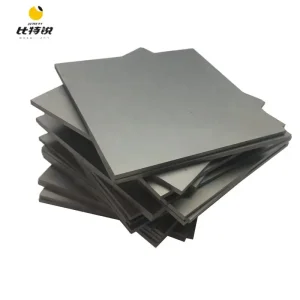
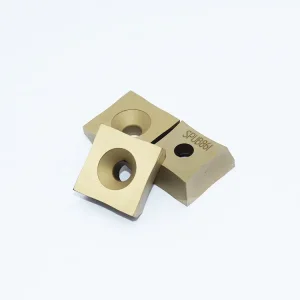
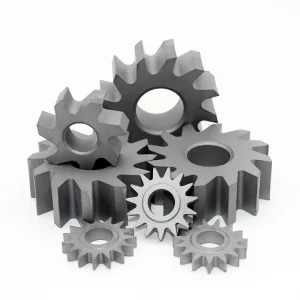
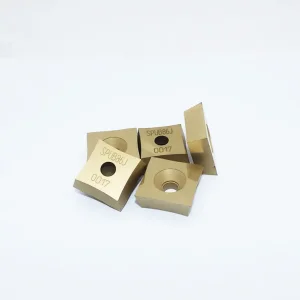
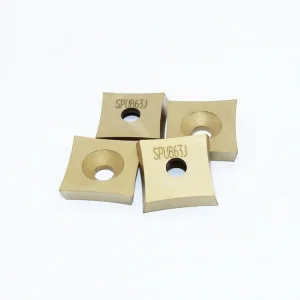
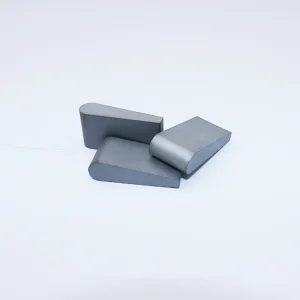
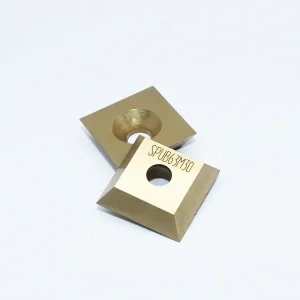
Engineered Hard Metal Inserts & Custom Wear Blanks
Explore additional wear-resistant blanks, EDM mold blocks, and precision-ground tooling products supporting heavy industrial manufacturing, machining, and sealing assembly lines.

Accelerate Your Sealing Project with Factory Direct Engineering
Submit 2D/3D CAD drawings (STEP, IGES, DXF) alongside target media, thermal window, and dynamic cycle parameters. Receive comprehensive DFM analysis, grade recommendations, and quote breakdowns within 8 hours.