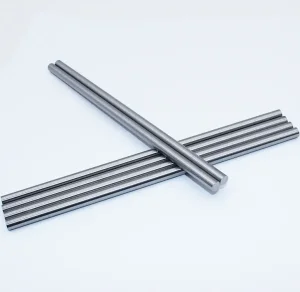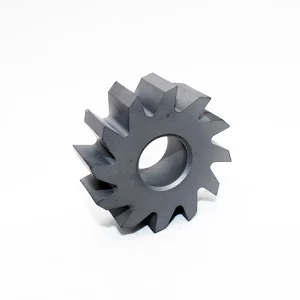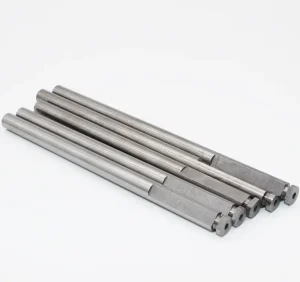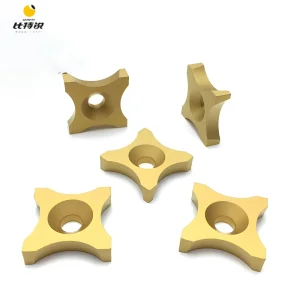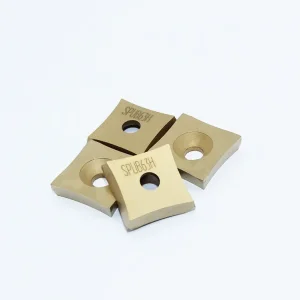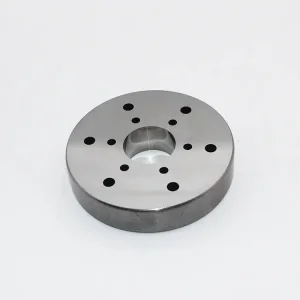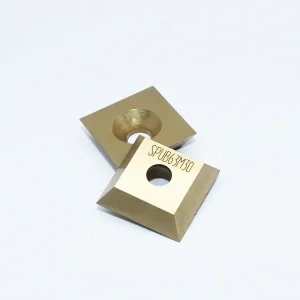
Featured High-Performance Tungsten Carbide Tooling
Direct factory wholesale of wear-resistant inserts, peeling blades, and clamping jaw inserts engineered for peak material removal rates and extreme tool life.
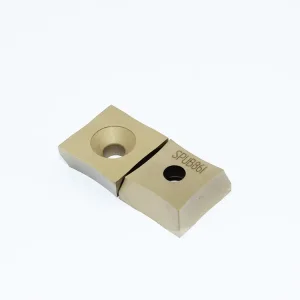
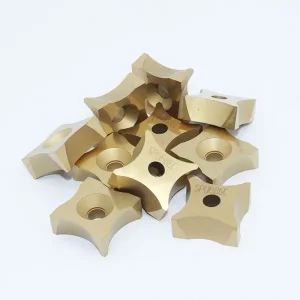
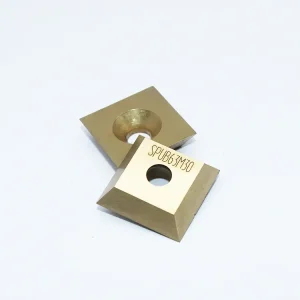
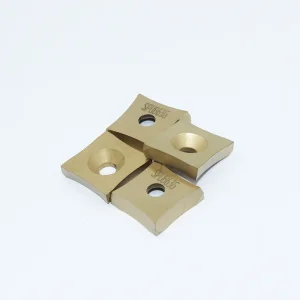
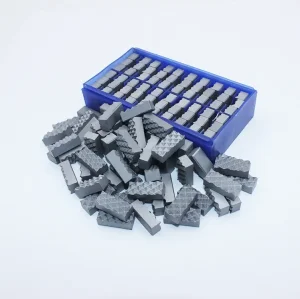
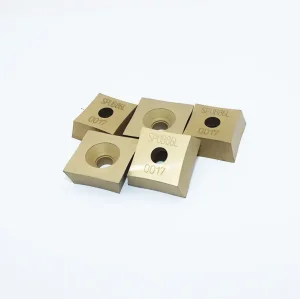
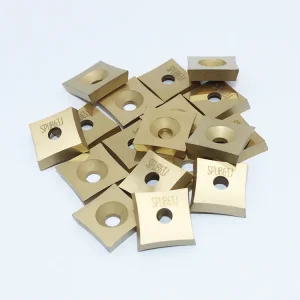
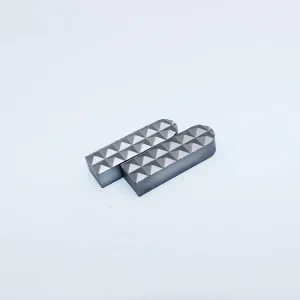
China Factory 4.0: Metallurgical Mastery & Supply Chain Resilience
Harnessing automated powder processing, integrated sintering, and multi-axis CNC grinding to deliver uncompromised precision and dependable bulk volumes.
Macro-Industry Solutions: Engineered for Extreme Environments
Custom-tailored tungsten metallurgical solutions solving critical wear, thermal, and corrosion hurdles across key global industries.
Aerospace & Defense
Supplying high-density pure tungsten and tungsten-nickel-iron (W-Ni-Fe) alloys for dynamic balancing weights, kinetic penetrators, and high-temperature gas turbine radiation shielding. Our parts withstand thermal cycling without structural degradation.
Energy, Oil & Gas Drilling
Demanding Downhole drilling conditions require high-impact YG8 to YG15 cemented grades and non-magnetic nickel-bonded tungsten carbide. Designed to endure erosive mud flows, aggressive H2S corrosion, and massive compressive forces in deep-well environments.
Semiconductor & Electronics
Offering ultra-fine grain tungsten tooling and non-magnetic erosion-resistant components. Essential for wafer handling arms, ion implantation collimators, micro-drills for multilayer PCB fabrication, and high-precision electronic lead frame stamping dies.
Engineering Grade Selection Matrix
Evaluating cemented carbide microstructure, mechanical properties, and target operating environments for precise industrial performance matching.
| Carbide Grade | Binder Composition | Density (g/cm³) | Hardness (HRA) | Transverse Rupture (MPa) | Primary Industrial Use-Cases |
|---|---|---|---|---|---|
| YG6 (ISO K10-K20) | 6% Cobalt | 14.8 – 15.0 | 90.5 | 1,900 | High Wear Resistance Bar peeling, cast iron finishing, precision wire drawing |
| YG8 (ISO K20-K30) | 8% Cobalt | 14.6 – 14.8 | 89.5 | 2,200 | Balanced Toughness Heavy pipe scarfing, gripper chuck jaws, mining buttons |
| YG15 (ISO K40) | 15% Cobalt | 13.9 – 14.1 | 87.0 | 2,800 | Severe Impact Cold heading dies, heavy stamping punches, metal forming |
| YG20 | 20% Cobalt | 13.4 – 13.6 | 85.5 | 3,100 | Maximum Shock Massive impact dies, shear blades, thick EDM blocks |
| Non-Magnetic Ni | 6-10% Nickel | 14.5 – 14.9 | 88.0 – 90.0 | 2,100 | Anti-Magnetic & Corrosive MWD/LWD drilling components, sensor housings, chemical seals |
Technical Roadmap & Advanced Manufacturing Vision
Pioneering the next era of high-entropy refractory alloys and additive manufacturing technologies to solve tomorrow's physical limitations.
Binder Jet 3D Printing
Breaking past traditional tooling constraints to manufacture complex internal cooling channels and lattice-structured pure tungsten parts without conventional die tooling costs.
Sub-Micron Nano-Structures
Innovating ultra-fine grain structures (<0.2 μm) using specialized grain-growth inhibitors (VC, Cr3C2), yielding hardness ratings above 93 HRA while sustaining high fracture toughness.
High-Entropy Binder Alloys
Developing cobalt-free, high-entropy alloy (HEA) binders designed to surpass traditional chemical attack thresholds in ultra-acidic petrochemical and geothermal drilling operations.
AI Predictive Metallurgy
Deploying machine-learning thermal models during vacuum sintering to simulate shrinkage down to the micron, eliminating porosity anomalies and ensuring perfect batch repeatability.
Global Supply Compliance & Engineering Support
Delivering complete traceability, international quality compliance, and responsive international technical service for Tier-1 manufacturing programs.
Full Regulatory Compliance
All shipments are certified compliant with RoHS, REACH, and Dodd-Frank conflict mineral rules (3TG). We provide transparent material test reports (MTRs) and complete supply pedigree documents with every production lot.
ISO 9001 Certified Quality
Our quality assurance program integrates precision CMM coordinate measuring machines, metallographic grain structure analyses, and eddy current crack detection to uphold stringent zero-defect quality thresholds.
Rapid Engineering Turnaround
Multilingual metallurgy and tooling engineers review CAD drawings and return complete Design for Manufacturability (DFM) analyses, process routings, and quote schedules within 8 business hours.
Frequently Asked Technical Questions (FAQ)
Authoritative guidance addressing common engineering, metallurgical, and international procurement considerations.
How do you overcome micro-cracking during EDM machining of tungsten carbide?
Micro-cracking is mitigated by precisely controlling pulse energy during wire electrical discharge machining (EDM) to minimize the brittle recast layer. We follow with diamond-wheel surface grinding or chemical etching to eliminate micro-notch stress risers on load-bearing surfaces.
What distinguishes nickel-bonded tungsten carbide from cobalt-bonded grades?
Cobalt binders are ferromagnetic and susceptible to acid leach corrosion. Nickel binders are non-magnetic and deliver vastly improved resistance against corrosion in saline and acidic environments, making them ideal for MWD sensors and chemical fluid seals.
Can you provide custom sintered preforms to reduce our final machining costs?
Yes. We specialize in producing near-net-shape green preforms via custom tooling and multi-axis CNC green-machining prior to Sinter-HIP. This minimizes raw material waste and sharply cuts final diamond grinding hours.
What dimensional inspection reports are provided with bulk export orders?
Every lot includes full CMM dimensional validation reports, material test certificates (chemical analysis, density, HRA hardness, TRS values), and metallographic porosity scans verified under 200x to 500x magnification.
Precision Wear Parts, Non-Magnetic Components & Tooling
Explore our extended wholesale catalog of standard and custom-engineered tungsten solutions manufactured to exact client drawings.