Why Is Machining Carbide So Difficult?
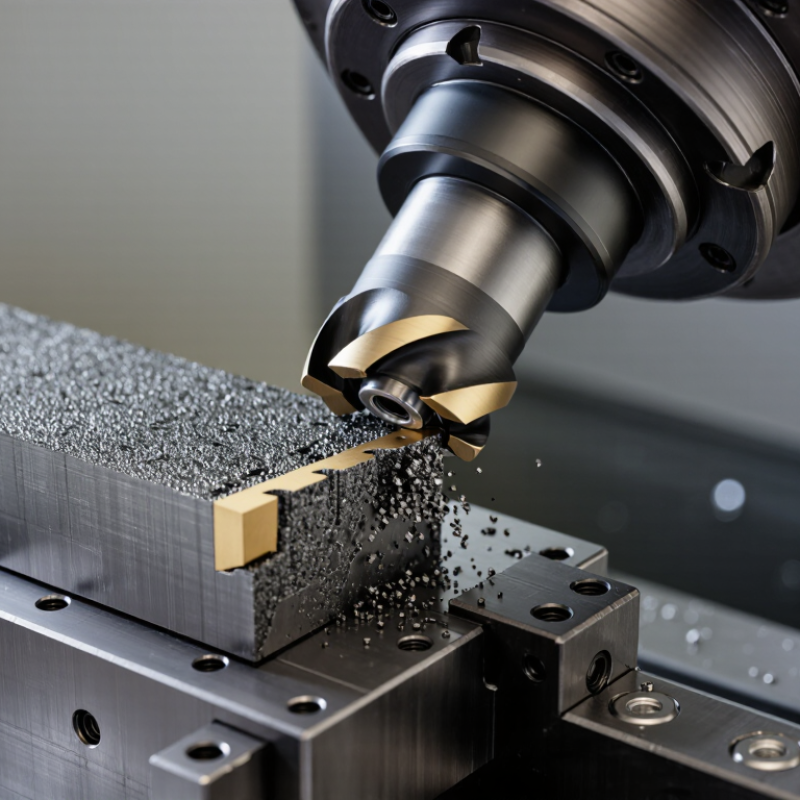
Machining Carbide can look like an ordinary cutting operation, until a sharp edge chips against a hard, unforgiving surface. Cemented carbide combines hard tungsten-carbide grains with a metallic binder, often cobalt. That structure gives it excellent wear resistance, but also makes it vulnerable to impact, vibration, and uneven heat. A small interruption in the cut can leave a visible chip on an otherwise precise edge. The challenge is not hardness alone. It is controlling force, temperature, and tool engagement at the same time.
Manufacturing scholar Milton C. Shaw, author of Metal Cutting Principles, wrote, “The cutting tool is the most important element in the metal cutting process.” The statement is broad, not specific to carbide, yet it points to a practical truth: tool choice shapes the entire operation. Grade, edge preparation, workholding, machine rigidity, and cutting parameters all matter. A setup that works on steel may fail quickly on carbide. Even coolant needs careful consideration; its effect depends on the operation and tooling. There is no single recipe. That is easy to overlook when a chart offers neat numbers. In practice, machinists watch for edge damage, listen for changes in cutting sound, and inspect the finish. A cautious test cut often teaches more than an aggressive first pass. This guide explores why Machining Carbide demands such care, and how process decisions influence accuracy, tool life, and cost.
What Cemented Carbide Is and How It Is Made
Cemented carbide is a composite, not a single metal. Hard tungsten carbide grains provide wear resistance, while a cobalt-based binder holds them together. Manufacturers blend fine powders, press the mixture into a shape, then sinter it at high temperatures. During sintering, the binder melts and bonds the carbide grains into a dense solid. The result can cut steel at high speeds, yet it is brittle compared with many tool steels. The mix matters.
A small change in grain size or binder content can alter hardness, toughness, and edge life. Manufacturers therefore control powder quality, pressing pressure, and furnace conditions closely. The U.S. Geological Survey’s Mineral Commodity Summaries 2024 estimated global tungsten mine production at 78,000 metric tons in 2023, with China producing about 63,000 tons. These figures describe supply, not tool consumption, but they show how concentrated a key carbide ingredient can be. Machining the finished material is difficult because its hard grains resist ordinary cutting edges, while its brittle structure may chip under impact. Grinding with diamond abrasives is common, though heat and vibration still demand careful control. Even with precise settings, a tiny corner can break. That detail is easy to underestimate.
| Topic | Typical Information | Why It Matters for Machining |
|---|---|---|
| What cemented carbide is | A powder-metallurgy composite, commonly made from hard tungsten carbide (WC) grains bonded together by a metallic binder such as cobalt. Some grades use other binders, including nickel. | The hard carbide grains resist cutting and abrasion, while the binder helps hold the material together. This combination makes the material both wear-resistant and challenging to cut. |
| Common composition | Many WC-Co grades contain roughly 5–25 wt% cobalt, with the balance consisting mainly of WC. Actual composition varies by grade and application. | Binder content affects hardness, toughness, and wear resistance. A change in composition can therefore change the machining response significantly. |
| Powder preparation | WC and binder powders are proportioned and milled together. The mixture may then be granulated, often by spray drying, to improve handling and pressing consistency. | The fine, evenly distributed carbide structure contributes to high hardness and can make ordinary cutting tools wear rapidly. |
| Forming and sintering | Powder is pressed into a shape and sintered, commonly at approximately 1,350–1,500°C. During liquid-phase sintering, the binder helps consolidate the carbide grains. Exact conditions depend on the composition and process. | Sintering creates a dense, strongly bonded structure. The finished part is far harder to machine than the pressed, unsintered “green” compact. |
| High hardness | Cemented carbide is very hard; hardness varies widely with grade, grain size, and binder content. WC-Co grades commonly fall in the range of roughly 1,000–2,000 HV. | Conventional cutting edges may blunt, abrade, or fail quickly. Diamond abrasive tools are commonly used for grinding hard cemented-carbide parts. |
| Brittleness and edge damage | Cemented carbide is hard but less ductile than many metals. Its fracture toughness depends on factors such as grain size and binder content. | Excessive cutting forces, vibration, or interrupted cuts can cause chipping or cracking instead of the smooth plastic deformation typical of many metals. |
| Wear resistance | The hard WC phase gives many grades strong resistance to abrasion and deformation in service. | The property that makes carbide useful in cutting tools also makes it resistant to being cut. Tool wear and surface damage must be carefully controlled. |
| Common finishing methods | Diamond-wheel grinding is widely used. Electrical discharge machining (EDM) can be used when the grade is electrically conductive; availability and results depend on the workpiece and process. | The finishing method must suit the material’s hardness, geometry, tolerance, and surface-finish requirements. Grinding and EDM each have process-specific limits. |
| Practical takeaway | Machining difficulty depends on grade, dimensions, tolerances, and whether the part is in the green or sintered state. | Choose the machining or finishing process for the specific grade, and account for tool wear, chipping risk, and the required final accuracy. |
Note: Composition, hardness, sintering conditions, and machinability are grade-dependent; the ranges shown are general reference values, not specifications for every cemented-carbide product.
FAQS
It combines hard tungsten carbide grains with a cobalt-based binder. The binder holds the grains together after high-temperature sintering.
Fine powders are blended and pressed into a shape. The mixture is then heated until the binder bonds the grains into a dense solid.
Grain size and binder content influence hardness, toughness, and edge life. The mix matters.
Its hard grains resist ordinary cutting edges, while its brittle structure may chip under impact. Even then, chips happen.
Concentrated heat can build up at the surface. Fine cracks may form, and discoloration can appear.
Watch for rising spindle load, unusual noise, or a changing surface sheen. These signs can indicate rubbing.
Use suitable diamond abrasives, a rigid setup, and steady feed. Keep coolant flow consistent when needed, and inspect edges under magnification.
It can reveal problems early. Adjust one parameter at a time; real setups are rarely as tidy as a chart suggests.
Conclusion
Machining Carbide is challenging because cemented carbide combines exceptionally hard carbide grains with a metallic binder, creating a material that resists wear but is also brittle. It is typically made by mixing carbide powders with binder, pressing the mixture into shape, and sintering it. Its hardness makes ordinary cutting tools wear quickly, while its brittleness means excessive force or vibration can cause chipping and cracks. These contrasting properties demand careful control of cutting conditions and workpiece support.
Heat generated during machining can accelerate tool wear and damage the surface, leading to roughness, residual stress, or tiny fractures. Suitable methods depend on the part’s shape and requirements. Diamond grinding is commonly used for precise material removal, while electrical discharge machining may be suitable for conductive grades. Careful tool selection, stable setups, controlled feeds, and appropriate cooling help produce accurate surfaces while reducing damage and extending tool life.