
10 Best Technical Grinding and Machining Suppliers
Choosing a Technical Grinding And Machining supplier is not just about comparing machines or price lists. It means checking whether a shop can hold tight tolerances, document inspection results, and deliver consistent parts under real production conditions. A ground shaft may look flawless under bright inspection lights, yet still miss a critical fit dimension. Details matter.
Automation is raising expectations. The International Federation of Robotics reported 4,281,585 industrial robots operating worldwide in 2023, in its World Robotics 2024 report. That figure reflects a manufacturing landscape increasingly shaped by automated production, where reliable machining inputs and repeatable processes matter. Workforce capability matters too. Deloitte and The Manufacturing Institute estimated that 1.9 million U.S. manufacturing jobs could go unfilled by 2033 if the skills gap persists. For buyers, that makes supplier experience, engineering support, and process control practical considerations—not just sales claims. This guide to 10 leading suppliers compares capabilities, services, and areas of specialization to help readers build a shortlist. Still, no ranking fits every job. A prototype shop and a high-volume production line need different strengths. Use the list as a starting point, then verify certifications, tolerances, materials, and delivery performance directly with each supplier. A little skepticism helps.
What Technical Grinding and Machining Suppliers Provide
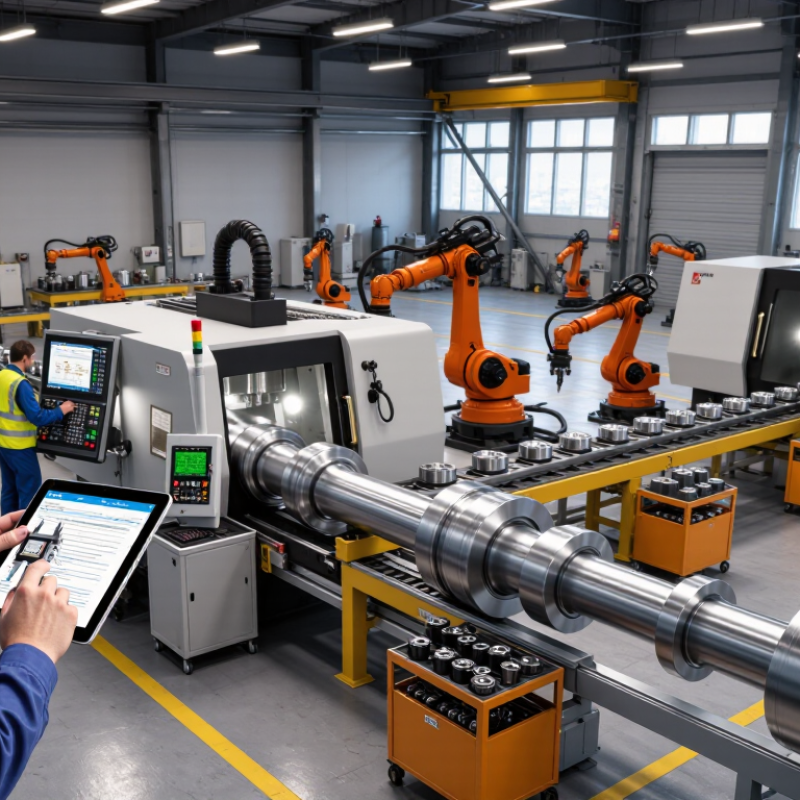
Technical grinding and machining suppliers turn engineering drawings into accurately sized parts. They may offer surface, cylindrical, or centerless grinding, alongside CNC milling and turning. Grinding helps control dimensions and surface finish when a cutting tool leaves too much variation. Fit matters. A hardened shaft, for example, may need its bearing seat ground to a specific diameter and checked for roundness. Suppliers can also review material choices, tolerances, and datum locations before production. Not every shop offers the same capabilities.
A reliable supplier explains how parts will be made and inspected. Ask which instruments match your requirements, such as micrometers for diameter checks or a profilometer for surface roughness. For complex parts, coordinate measuring machines can verify several features against the drawing. Inspection reports and material documentation can help confirm that delivered parts match agreed specifications. One detail buyers sometimes overlook is how a part will be held during grinding; poor support can affect accuracy. A quote may look complete but omit inspection scope, so clarify what gets measured and recorded. Even a careful process has limits, and clear communication helps expose them early.
10 Best Technical Grinding and Machining Suppliers - What Technical Grinding and Machining Suppliers Provide
A practical comparison of common supplier capabilities. Processes, achievable tolerances, finishes, and inspection methods depend on part geometry, material, quantity, equipment, and drawing requirements.
| Supplier Capability | Processes and Equipment | Common Materials | Typical Deliverables | Common Applications | Quality Checks |
|---|---|---|---|---|---|
| Surface Grinding | Horizontal- or vertical-spindle grinding of flat faces and precision steps. | Hardened steel, tool steel, stainless steel, cast iron, and some non-ferrous alloys. | Flat, parallel surfaces; controlled thickness; fine ground finishes. Fine tolerances are specified on the part drawing. | Machine ways, die plates, fixture components, and precision blocks. | Micrometers, height gauges, surface plates, and surface-finish measurement where specified. |
| Cylindrical Grinding | External grinding between centers or in a chuck; may include traverse or plunge grinding. | Hardened and alloy steels, stainless steel, and selected nickel-based alloys. | Accurate external diameters, shoulders, tapers, and improved roundness and finish. | Shafts, spindles, journals, rollers, and hydraulic components. | Outside micrometers, roundness or runout equipment, and surface-finish instruments as required. |
| Centerless Grinding | Through-feed, in-feed, or end-feed grinding without holding the workpiece between centers. | Steel, stainless steel, and other grindable bar or cylindrical stock. | Consistent ground diameters and finishes, particularly for repeated or high-volume parts. | Pins, rods, bushings, fasteners, and precision production components. | Diameter sampling with micrometers or air gauges; checks may include straightness and finish. |
| Internal Grinding | Grinding of internal bores using small-diameter wheels, including chucking and bore-grinding setups. | Hardened steel, stainless steel, tool steel, and other suitable alloys. | Accurate bore diameters, improved bore geometry, and controlled internal finishes. | Precision bushings, bearing seats, sleeves, and hardened components with finished bores. | Bore gauges, air gauges, plug gauges, and roundness checks where the specification requires them. |
| CNC Milling and Turning | Computer-controlled milling and turning, often combined with drilling, boring, and tapping. | Aluminum, steel, stainless steel, brass, titanium, and engineering plastics. | Finished prismatic or rotational parts, prototypes, and repeat production components. | Machine parts, housings, brackets, manifolds, and components prepared for finish grinding. | Calipers, micrometers, coordinate measuring machines, and thread gauges according to drawing requirements. |
| Tool and Cutter Grinding | CNC or manual regrinding and manufacture of cutting tools, including drills, end mills, and form tools. | High-speed steel, carbide, and selected tool materials. | Restored or custom cutting edges, specified tool geometry, and optional recoating coordination. | Production machining, tool-room support, and specialized cutting operations. | Tool presetters, optical inspection, and checks of dimensions and cutting geometry. |
| Gear Grinding | Profile or generating grinding of gear teeth after heat treatment or other prior machining. | Commonly hardened alloy and carburized steels used for gears. | Finished tooth flanks with controlled profile, lead, pitch, and surface finish to the specified gear standard. | Gearboxes, transmissions, aerospace drives, and precision motion systems. | Gear measuring centers or dedicated instruments for tooth profile, lead, pitch, and runout. |
| Creep-Feed and Profile Grinding | Deep-cut grinding with a slow feed, or wheel-profile grinding for detailed contours and formed features. | Heat-resistant alloys, hardened steels, and other difficult-to-machine materials, subject to setup. | Complex slots, profiles, and features that may be difficult to produce efficiently by conventional milling. | Turbine and engine components, dies, formed parts, and precision industrial tooling. | Profile measurement, dimensional inspection, and surface checks based on the component specification. |
| Lapping and Superfinishing | Abrasive lapping, honing, or superfinishing to refine surface texture and, in some cases, geometry. | Steel, cast iron, ceramics, and other materials compatible with the selected abrasive process. | Very smooth surfaces and refined flatness, bore finish, or contact surfaces when specified. | Seal faces, bearing components, hydraulic parts, optical flats, and precision mating surfaces. | Surface-finish testers, flatness or geometry checks, and visual inspection as appropriate. |
| EDM and Finish Machining | Wire or sinker electrical discharge machining for conductive materials, often followed by grinding or milling. | Conductive tool steels, hardened alloys, and selected conductive superalloys. | Fine slots, intricate profiles, and features that are difficult to machine with conventional cutting tools. | Dies, molds, punches, and complex hardened components. | Coordinate measuring machines, optical comparators, and checks for dimensions and specified surface condition. |
Selection note: Confirm material grade, heat-treatment condition, part dimensions, quantity, required tolerances, surface-finish limits, inspection records, and any certification or traceability requirements before requesting a quotation.
FAQS
They may offer surface, cylindrical, or centerless grinding, plus CNC milling and turning. Capabilities vary.
Grinding can improve dimensional accuracy and surface finish. A hardened shaft’s bearing seat may need a precise diameter and roundness check.
Ask which instruments suit your drawing, such as micrometers for diameters or profilometers for surface roughness. Complex features may need coordinate measurement.
A quote may not state which features get measured or recorded. Clarify the report details before production begins.
Request records from similar parts, including dimensions, runout, and surface finish. Numbers need context.
Workholding, wheel selection, setup, and heat control can affect results. Poor support during grinding may cause variation.
Review material traceability, capacity, lead times, and handling of nonconforming parts. Ask how problems are documented and corrected.
It can help when project risks justify it. Compare measured results with the drawing, not broad claims. Still, one sample may not reveal batch variation.
Conclusion
This article explores what Technical Grinding And Machining suppliers can provide, from precision grinding and custom machining to production support and specialized finishing. It explains how to assess potential suppliers by reviewing their quality systems, technical expertise, equipment, inspection methods, capacity, and ability to meet demanding tolerances. The goal is to help readers understand which capabilities matter most when evaluating a supplier for a particular project.
Profiles of ten leading suppliers illustrate the range of services and industries commonly served, while a comparison of their specialties highlights how supplier capabilities can differ. The article also offers a practical framework for selecting a partner based on part complexity, materials, production volume, required precision, delivery expectations, and communication needs. By matching project requirements with proven capabilities, organizations can make a more informed supplier choice and build a dependable working relationship.
