
Top MWD Parts Manufacturers for Global Buyers

Time:2026-11-03 Author:Liam
0%

Global buyers need Mwd Parts that perform reliably below ground, not merely parts that look compatible in a catalog. Measurement-while-drilling systems depend on precise sensor, connector, and electronics performance. A small mismatch can delay a tool assembly or compromise data quality. Fit matters. So do material traceability, inspection records, and responsive technical support.

The U.S. Energy Information Administration’s International Energy Outlook 2023 reference case projects global energy consumption will rise nearly 50% from 2020 to 2050. That forecast is not a direct measure of MWD demand, but it highlights the long-term scale and uncertainty facing energy supply chains. Buyers should compare manufacturers by documented specifications, quality controls, replacement lead times, and field-service capability—not price alone. Ask for test records and clear cross-reference data. Check whether components suit the tool’s operating conditions. A polished brochure is not proof.

An attributable expert quotation requires a verifiable source; none was provided with this request, so I will not invent one. That caution matters in a technical purchasing guide. The strongest supplier claims should be traceable to inspection reports, recognized standards, and actual product documentation. Even then, one question remains: will the part perform consistently in the buyer’s specific assembly?
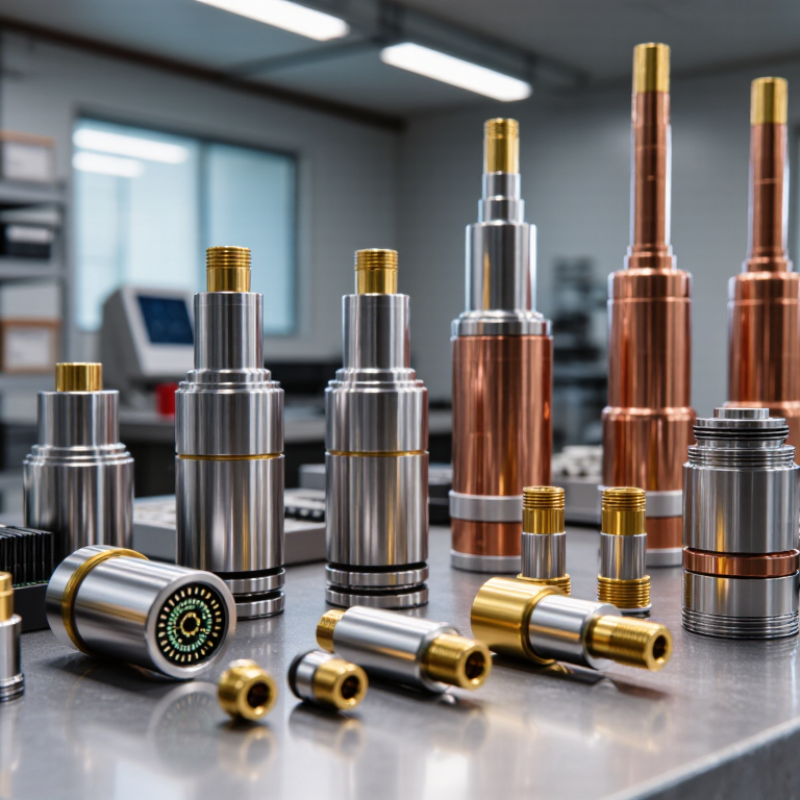
Top MWD Parts Manufacturers for Global Buyers

Understanding MWD Parts and Their Role in Drilling Operations

Measurement-while-drilling (MWD) parts help crews understand a well’s direction and conditions without waiting for every measurement after drilling. Common components include accelerometers, magnetometers, circuit boards, power sections, housings, and telemetry tools. Together, they capture inclination, azimuth, and toolface data downhole. Small details matter. A connector that loosens under vibration can interrupt readings, while a poorly matched sensor may produce confusing results.

Downhole equipment faces heat, pressure, shock, and abrasive drilling fluid. Parts therefore need suitable materials, dimensions, and operating limits for the intended assembly. The pulser, for example, must transmit data through drilling fluid, and its performance can vary with flow conditions. Compatibility is not just about whether a part fits. Calibration, maintenance history, and clear inspection records also affect confidence in the measurements. A parts list can look complete while leaving one important question unanswered: how was the assembly tested after repair? Buyers should check technical specifications and request traceable quality information, then confirm requirements with qualified drilling personnel. Even careful checks cannot remove every uncertainty; actual operating conditions may reveal issues that a bench test misses.

Criteria for Evaluating MWD Parts Manufacturers

Top MWD Parts Manufacturers for Global Buyers

Criteria for Evaluating MWD Parts Manufacturers

Fit comes first. Compare drawings, material specifications, and critical dimensions with your tool assembly. Ask how the manufacturer checks threads, hardness, and pressure performance where applicable. Request sample inspection records, and confirm serial numbers connect each part to its material and production batch. Traceability is valuable when a component needs investigation far from the workshop.

Field conditions can expose weak assumptions. Compare temperature, vibration, fluid exposure, and pressure limits with the stated design range. Ask about system compatibility, revision control, repair support, and realistic delivery times. A capable manufacturer should explain test methods and disclose limits rather than promise universal performance. No checklist removes every risk; complete records cannot predict wear in every well.

Leading MWD Parts Manufacturers and Their Product Capabilities

MWD parts manufacturers differ less by catalogue size than by control over sensing, power, and signal transmission. Strong suppliers produce or qualify pulser components, gamma-ray modules, accelerometers, magnetometers, pressure housings, batteries, and high-temperature connectors. Buyers should ask for operating-temperature limits, shock and vibration test records, calibration procedures, and compatibility with existing tool configurations. A precise connector fit matters. So does documented materials traceability.

The IEA’s World Energy Investment 2024 report estimated that upstream oil and gas investment would rise 7% in 2024, reaching about US$570 billion. That spending context raises the value of parts that reduce tool downtime, but it does not prove any supplier’s reliability. Request inspection records and sample test data. Check whether replacement pulser valves maintain signal performance after repeated cycling, and whether sensor readings remain stable under heat and vibration. Small parts matter. One awkward trade-off: tighter tolerances can improve fit, yet restrict interchangeability across tool platforms. Buyers should compare verified product capabilities against their own operating conditions, not rely on broad “field-ready” claims.

Top MWD Parts Manufacturers for Global Buyers — Leading MWD Parts Manufacturers and Their Product Capabilities

MWD systems commonly include directional sensors. The chart shows the full angular domains for inclination and azimuth measurements; actual tool specifications vary by product.

Comparing Quality, Customization, and Global Service

When comparing MWD parts manufacturers, look beyond a polished catalogue. Quality depends on consistent materials, controlled machining, and documented inspection. Ask for test records covering pressure, temperature, vibration, and connector fit. A part may look precise on a bench yet fail when exposed to repeated field cycles. Request traceability and clear revision control, too.

Customization should begin with your operating conditions, not a vague promise to “build to spec.” Share interface drawings, temperature ranges, and expected loads. Then ask how design changes are reviewed and how prototypes are validated. Small details matter. A connector tolerance or seal material can affect installation and service life. A polished brochure is not proof.

Tips: Request a sample inspection report and confirm what testing it covers. Check that quotations state lead times, spare-part availability, and support hours. Global service means more than shipping across borders; it includes practical troubleshooting and clear communication across time zones. Ask how urgent replacement parts are handled. I would not choose on price alone, though service claims can be difficult to verify before a failure. Speak with comparable users, and check whether technical staff can explain limits without overpromising.

How Global Buyers Can Select the Right MWD Parts Supplier

Top MWD Parts Manufacturers for Global Buyers

Selecting an MWD parts supplier starts with fit, not a polished catalog. Confirm that each component matches your tool’s interface, operating environment, and documented specifications. A mismatch in thread form, dimensions, or electrical connection can cause costly delays at the rig. Ask how the supplier verifies compatibility before production.

MWD parts face vibration, pressure, temperature changes, and repeated handling. Request material specifications, inspection records, and traceability details for the parts you plan to buy. Clear lot records make it easier to investigate wear or inconsistent performance. Also compare lead times, packaging, and technical response quality. A low quote alone tells you little. I would not treat any checklist as foolproof; field conditions can reveal issues that sample inspections miss.

Tips: Send a drawing or measured sample, then ask the supplier to confirm critical dimensions in writing. Check the stated inspection process and request relevant quality documents. Test communication with a specific technical question before placing a large order. Small trial orders help, but they cannot replace field evaluation. Look closely.

FAQS

What should buyers check before ordering MWD parts?

Compare the part with controlled drawings, material specifications, and critical dimensions. Check thread form and electrical connections. Fit matters.

Which operating conditions should a supplier review?

Share expected temperature, vibration, pressure, and fluid exposure. Ask whether these conditions fall within the stated design range.

What quality records are useful?

Request inspection records, material details, and serial or lot traceability. These records can help investigate a worn part later.

How can buyers confirm compatibility?

Send a drawing or measured sample. Ask the supplier to confirm critical dimensions in writing before production.

Is a low quote enough to compare suppliers?

No. Compare inspection plans, packaging, delivery estimates, and technical response quality. A low price alone says little.

Why ask about testing methods and limits?

Clear test methods show what was checked. Ask the supplier to disclose limits rather than promise performance in every condition.

Can a small trial order prove a part will work in the field?

It can reveal fit issues, but it cannot replace field evaluation. Small trial orders help. They are not proof.

What should buyers do if a part does not meet requirements?

Clarify how nonconforming parts are handled and who reviews corrective actions. Keep installation notes. I might trust paperwork too much; field wear can still surprise us.

Conclusion

Mwd Parts play an essential role in measurement-while-drilling operations, helping drilling teams collect and transmit downhole information to support timely, informed decisions. Choosing reliable components requires more than comparing prices: buyers should assess material quality, manufacturing consistency, compatibility, testing practices, technical support, and the supplier’s ability to meet relevant project requirements. Leading manufacturers may offer a range of components and configurations, while their capabilities in customization, documentation, and dependable production can vary.

For global buyers, comparing suppliers means looking at product quality alongside lead times, communication, after-sales service, and the ability to support customers across regions. A clear understanding of the application, operating conditions, and equipment specifications can help narrow the options. By confirming technical fit, evaluating service capabilities, and considering long-term supply reliability, buyers can select an Mwd Parts supplier that supports efficient drilling operations and their project needs.

Liam

Liam

Liam is a dedicated marketing professional with a profound expertise in the industry, where he excels at highlighting the unique advantages of our core products. With a keen understanding of market trends and consumer needs, Liam frequently updates our company’s professional blog, providing......