
Why Are Oil and Gas Parts Important?
Oil and gas operations depend on thousands of components working under pressure, heat, vibration, and corrosive conditions. A valve must close cleanly. A pump seal must keep fluid contained. A compressor bearing must handle sustained loads without excessive wear. These parts may be small, but a failure can interrupt production, damage connected equipment, or create a hazardous leak.
The financial scale makes reliability more than a maintenance preference. The International Energy Agency’s World Energy Investment 2024 report projected global upstream oil and gas investment at about $570 billion in 2024, a 7% increase from 2023. That figure describes investment, not the direct cost of part failure. Still, it shows the scale of assets that depend on suitable components. Oil And Gas Parts—including pipes, fittings, filters, sensors, and replacement seals—help equipment operate within its intended design limits. Correct specifications and documented inspection matter. So does installation. A high-quality part installed poorly may still fail.
There is no universal part that suits every site. Fluid chemistry, operating temperature, pressure, and maintenance access all affect selection. Industry standards from organizations such as the American Petroleum Institute provide technical requirements for many equipment categories, but they do not replace site-specific engineering review. Small details count. A mismatched gasket, for example, can undermine an otherwise sound repair. Reports and standards offer useful guidance, yet field conditions can be messier than a specification sheet suggests. That deserves attention. Reliable parts support safer, steadier operations, but only when selection, inspection, and maintenance work together.
Core Functions of Parts in Oil and Gas Systems
Why Are Oil and Gas Parts Important?
Core Functions of Parts in Oil and Gas Systems
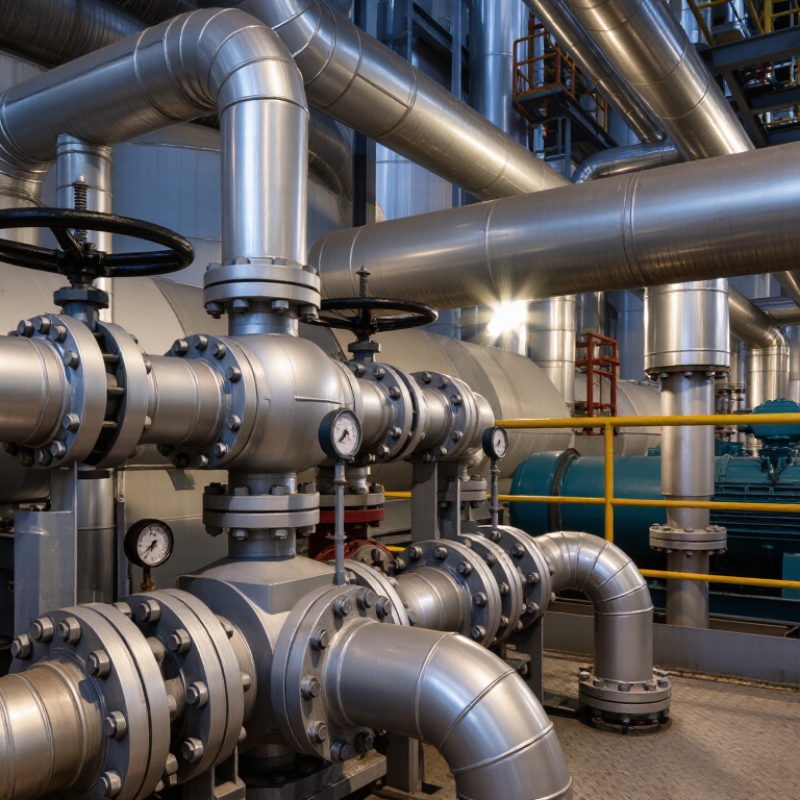
Oil and gas systems depend on many parts working together under pressure, heat, vibration, and changing flow conditions. Pipes carry fluids between equipment, while valves control or stop their movement. Pumps and compressors help maintain the required flow and pressure. Filters remove particles that could wear down moving surfaces or obstruct narrow passages.
Small parts matter. A worn seal, for example, can allow fluid to escape or let air enter a system. The exact effect depends on the equipment and operating conditions.
Sensors and gauges provide readings that help operators monitor pressure, temperature, and flow. These measurements can reveal changes that deserve attention, but readings need context and regular checks. A single number does not explain every problem.
Materials also serve a core function: they must suit the fluid, temperature, and pressure involved. Corrosion-resistant materials may help in demanding environments, yet no material is suitable for every application. Parts should be selected and inspected according to system requirements and technical guidance.
In practice, maintenance records can help identify recurring wear, though records are only useful when observations are accurate. A component can look sound and still need closer inspection.
FAQS
A worn seal can let fluid escape or air enter. Small, but important. The exact effect depends on the equipment and operating conditions.
Pipes carry fluids between equipment. Valves control or stop flow. Pumps and compressors help maintain flow and pressure.
Filters remove particles that could wear moving surfaces or block narrow passages. They help, but they cannot prevent every kind of wear.
They measure pressure, temperature, and flow. A single reading needs context, calibration, and regular checks. Numbers alone can mislead.
Seismic sensors record ground movement. Pressure and temperature instruments help teams assess wells, often in remote conditions. Loose cables matter.
Drill bits cut through rock layers. Mud pumps circulate fluid to cool the bit and carry cuttings upward. Casing and wellhead parts help support the bore and control pressure.
Separators divide oil, gas, and water. Pumps and compressors move fluids, while valves regulate flow and seals help contain pressure.
Consider the fluid, temperature, pressure, and system requirements. Follow technical guidance. No material suits every application.
Wear can be uneven. Review operating data and investigate unusual vibration, leaks, or pressure changes. A sound-looking part may still need closer inspection. Records help only when observations are accurate.
Conclusion
Oil And Gas Parts are essential to the safe and effective operation of energy systems, from exploration and drilling to production. Components such as valves, pumps, seals, and connectors help control pressure and fluid flow, keep equipment working together, and support reliable operations in demanding conditions. Their performance can influence both safety and the consistency of production.
High-quality components can reduce leaks, equipment failures, and unplanned downtime, helping improve efficiency and manage operating costs. Regular inspection and timely maintenance allow wear or damage to be identified before it disrupts operations. As equipment moves through its life cycle, repairing or replacing parts when needed helps preserve system reliability and extend service life. Choosing suitable components and caring for them properly supports dependable performance over time.
